


The start of the Gaza ceasefire marks a turning point for Israel's security establishment. With guns largely silent in the south, Israeli defense officials are now redirecting their attention toward Iran and Yemen, where growing threats are expected to dominate Israel's national agenda in the coming weeks. While Gaza remains a concern, particularly the potential implementation of Phase B of the "Trump Deal", a full return to fighting there appears unlikely for now, partly due to assurances US President Donald Trump reportedly gave Qatar and Turkey guaranteeing the continuation of the truce.
A collision course with Iran
Israel and the Islamic Republic of Iran appear to be on a path toward renewed confrontation. Tehran's ongoing buildup of ballistic missiles and drones, along with growing suspicions that it intends to restore its nuclear capabilities, have raised serious concern in Jerusalem. Satellite images have revealed what analysts believe could be preparations for a new uranium enrichment facility south of Natanz.
These developments, combined with stalled nuclear negotiations between Iran and the US, tensions with Europe over the reimposition of sanctions under the "snapback" mechanism, and Iran's fear of another Israeli strike, the risk of escalation only grows. With the Gaza campaign now over, Israeli decision-makers are free to focus on the Iranian threat.

Israel's defense leadership now faces a difficult choice: whether to resume military action, likely under less favorable conditions than in the recent "Lion's Roar" operation—or to opt for "containment," which would effectively allow Iran to rebuild its capabilities. This dilemma comes amid widespread skepticism that Washington and Tehran will reach any new nuclear agreement.
The Houthi threat persists
Yemen also remains a major source of concern. Senior officials in the Iranian-backed Houthi movement have made clear that the "Houthi genie," unleashed during Israel's "Iron Swords" campaign, cannot be forced back into the bottle. The Houthis now see themselves not only as defenders of the Palestinians in Gaza but of the entire Iranian-led axis.
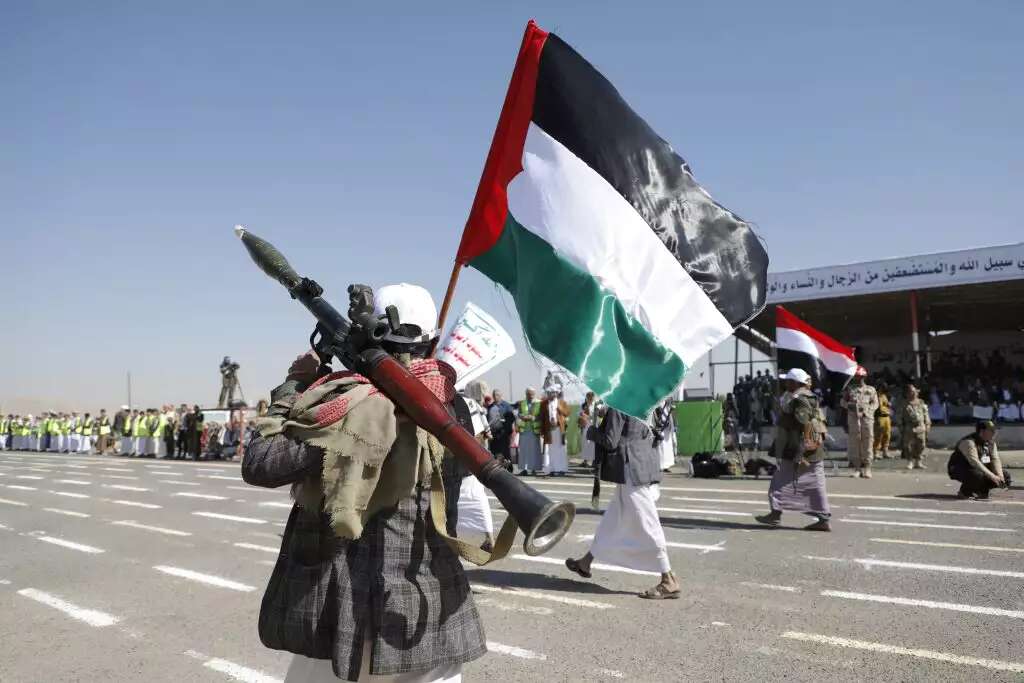
Houthi leaders have warned that they will target Israel not only if it violates the cease-fire but even if it continues airstrikes in Lebanon against Hezbollah positions. Despite Israel's successful strikes on Yemen's economy, power grid, and maritime infrastructure, and the elimination of most members of Houthi government, Jerusalem has yet to establish an effective deterrent that would stop Houthi attacks on Israel or vessels passing through the Bab el-Mandeb Strait.
A glimmer of diplomatic hope
Nonetheless, progress on the diplomatic front could help Israel navigate these challenges. Advancements in the Israeli-Palestinian political process, improved international standing, and deeper normalization with Arab states could strengthen Israel's position, both by applying pressure on Iran and by building a regional coalition, led by the Gulf states, to counter the Houthi threat from Yemen.
Either way, Israel faces a challenging period ahead, even without factoring in the ongoing instability in Lebanon and Syria.


