Senior Israeli officials said Saturday evening that within the coming week — or at most, two weeks — the number of deceased hostages in the Gaza Strip is expected to drop to the lowest single digits possible. Still, according to these sources, a handful of deceased hostages are likely to remain in Gaza.
This sober assessment comes in light of heavy US pressure and the fact that Israel authorized an Egyptian force to enter Gaza with engineering equipment. It also reflects a growing recognition in Washington that there are, as officials put it, "no more excuses."

Despite fears that the US is tying Israel's hands, senior Israeli officials insist the initiative led by Trump deserves a chance. If it doesn't succeed, they emphasize, the IDF is fully prepared to resume combat at any time.
There is a significant gap, security sources note, between the Israeli public's euphoria two weeks ago when 20 living hostages were freed, and the current mood of deep concern. They stress that this is a strategic move, not a quick fix, and must be given a real opportunity.
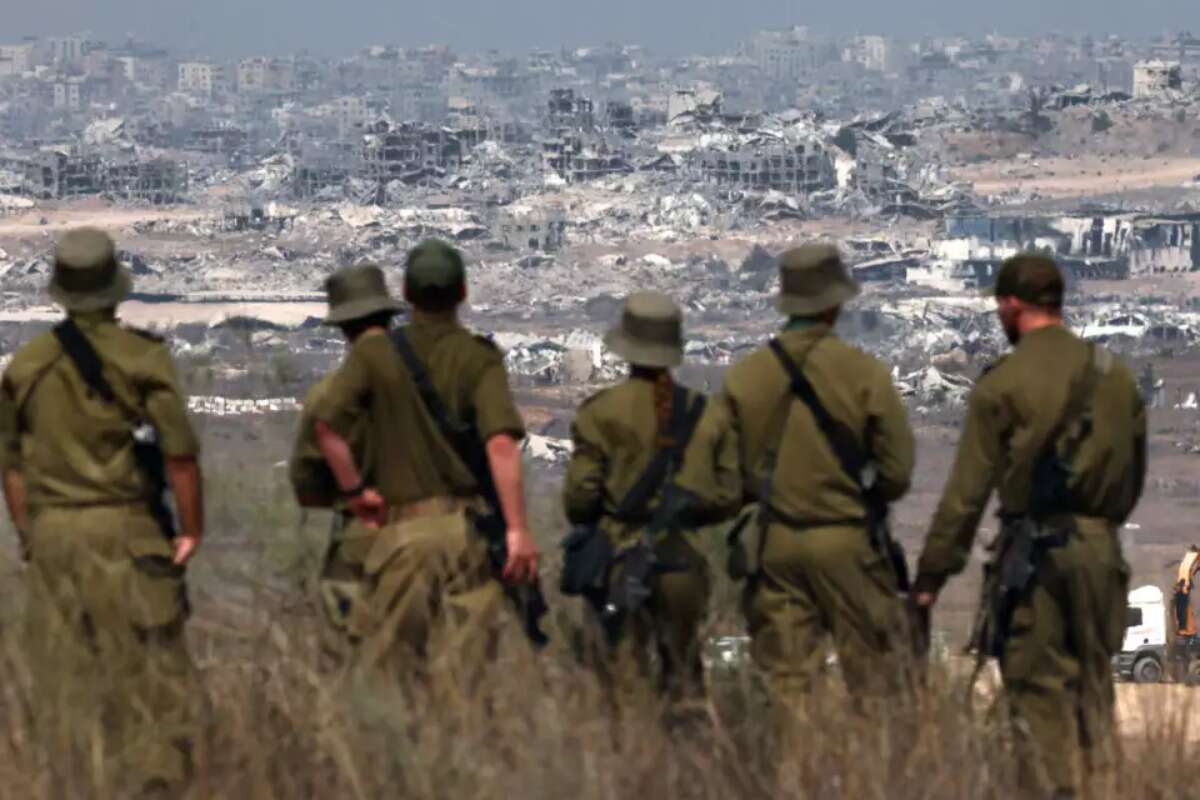
Top officials remain deeply skeptical about the US's ability to establish a mechanism that would lead to the demilitarization of Gaza. However, as long as that does not happen, the Israeli security establishment recommends keeping IDF forces stationed along what is known in the military as the "choke line" — the yellow line designed to strangle Hamas's capabilities. The alternative, according to officials, is a full reoccupation of the Strip and the establishment of a military government.
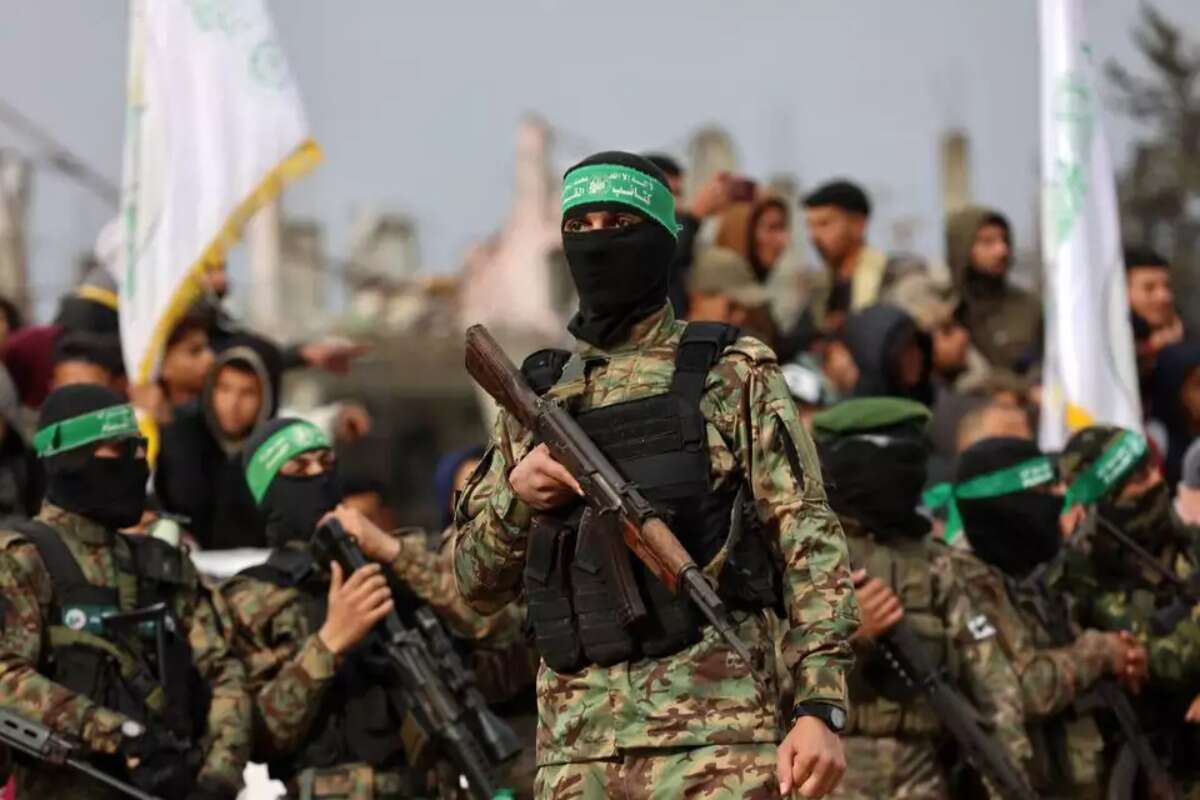
On Saturday evening, the IDF attacked a terrorist from Palestinian Islamic Jihad in the Nuseirat area of central Gaza. The terrorist was reportedly planning an imminent attack against Israeli forces. The IDF Spokesperson's Unit said in a statement that forces "are deployed in the area according to the ceasefire outline" and "will continue to act to eliminate any immediate threat."