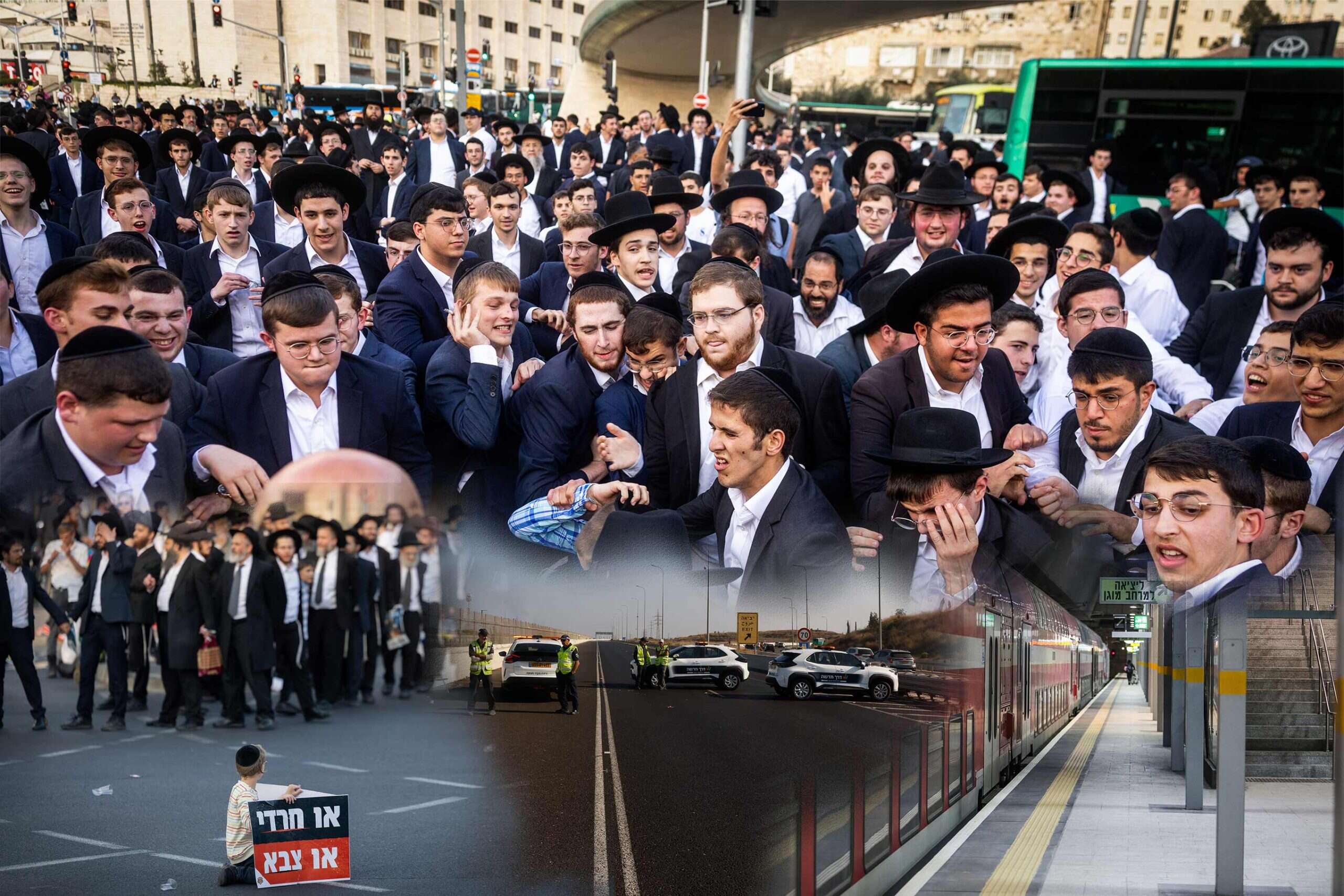
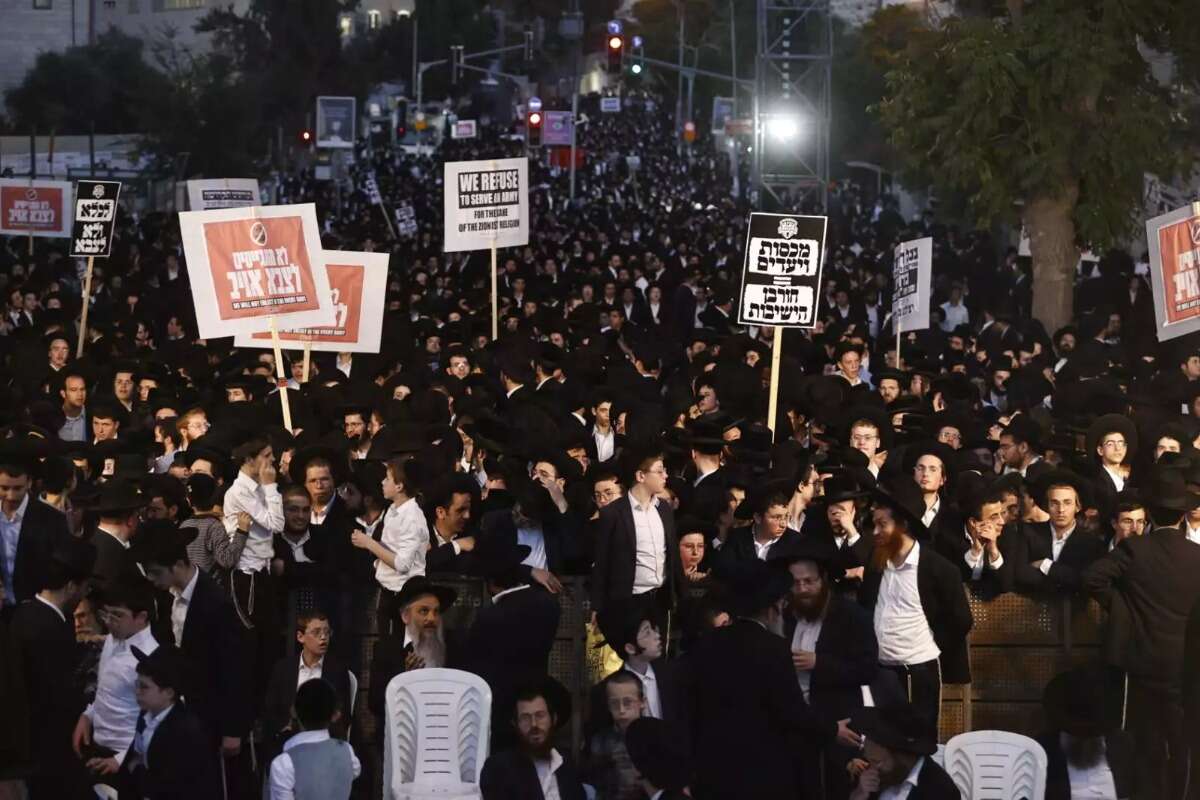
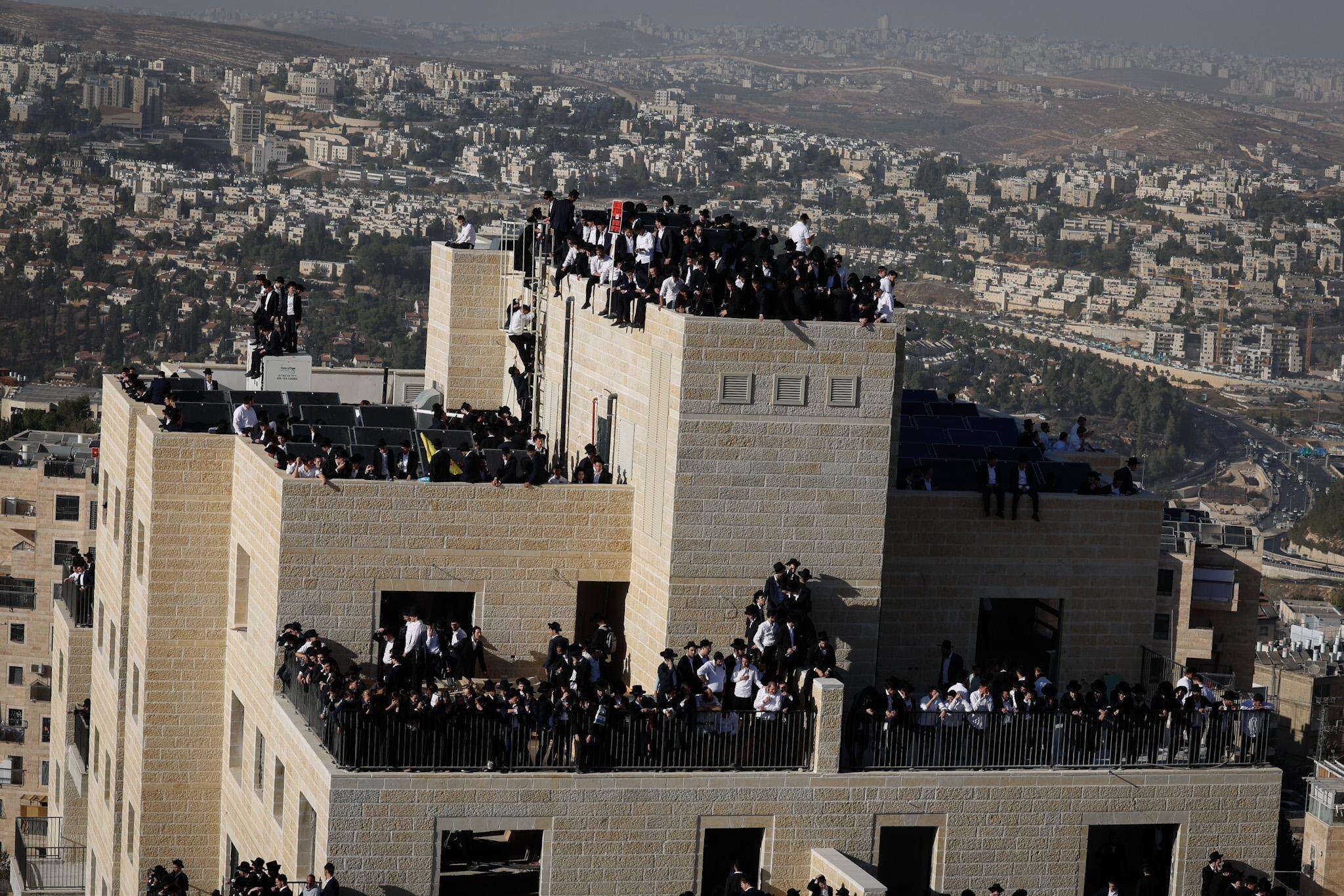
Hundreds of thousands of people were expected to participate Thursday in the "Million Man Rally" the Haredi sector organized at Jerusalem's entrance protesting IDF conscription. The widely publicized event triggered a wave of reactions throughout the week from politicians, reservists and others. The roads being closed, train service being disrupted and the education system severely affected by the rally – Israel Hayom breaks it all down.
The rally
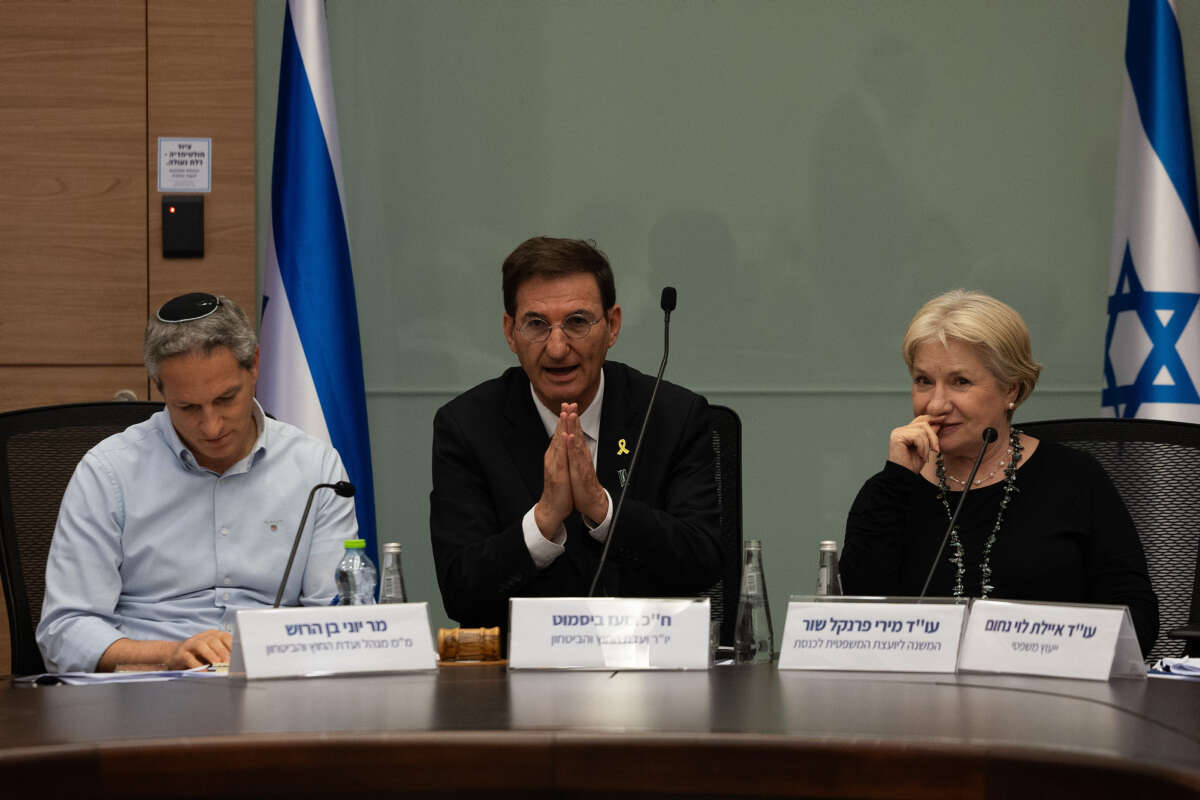
The "Torah Cry" rally comes amid the efforts by MK Boaz Bismuth, from Likud, to introduce new legislation that would end the blanket exemption Haredim have on joining the IDF as part of the mandatory service that applies to virtually all Jews and Druze in Israel. The protest, nicknamed the "Million Man Rally" because organizers planned to gather roughly one million people at the event, was scheduled to start Thursday at 2:30 p.m. at Jerusalem's entrance and continue approximately two hours, according to event organizers.
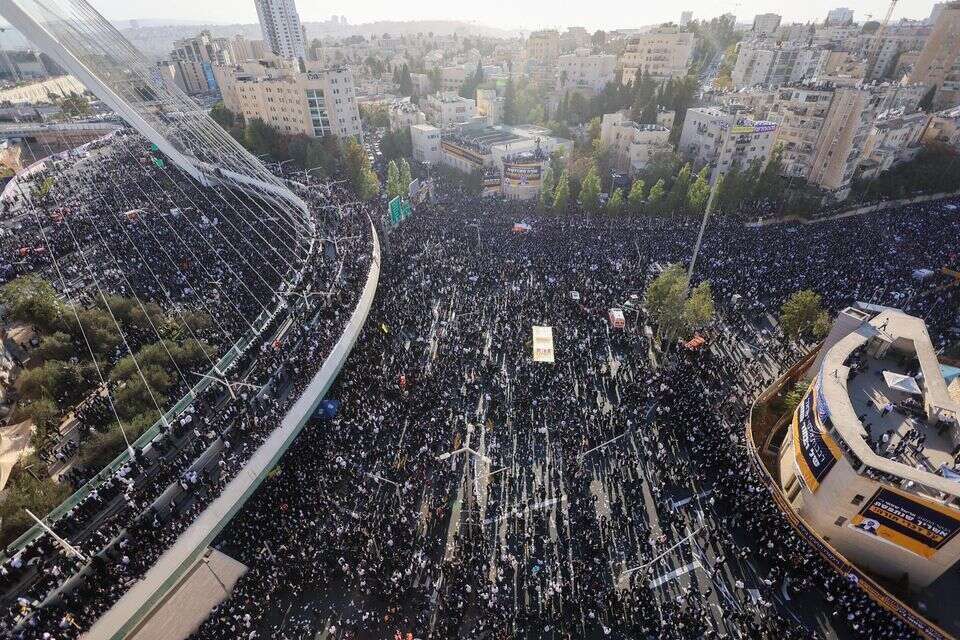
Organizers urged the public intending to reach the capital to do so during early morning hours. Large national transportation groups reported strong response to arrive at these times.
The rally, whose concept had been abandoned multiple times because of disagreements about its character, was expected to draw participation from Litvaks, Hasidim and Sephardim, unlike most highway demonstrations which primarily include members of the extremist Jerusalem Peleg faction.
Traffic arrangements
Route 1 will close to traffic beginning at 12:00 p.m. until the rally concludes – in both directions – from the Latrun region until Jerusalem's entrance. Police stressed that city entry will be permitted only for pre-organized buses. Route 443 will stay open to traffic.
Area community residents, such as Shoresh, Mevasseret Zion, Beit Meir, Neve Ilan, etc., along with those employed in these communities, will be permitted to pass.
These streets will close to traffic within Jerusalem:
Givat Shaul Street will close to vehicle traffic in both directions. Jaffa Street will close from HaTurim Street to Jeremiah Street in both directions. Givat Shaul-Ramot interchange will close in all directions. Ben Zvi/Rabbi Shmuel Baruch Street will close toward the city entrance. Shazar Boulevard will close toward the Givat Shaul interchange. Herzl Boulevard will close from Rabin Junction toward the String Bridge. Malchei Yisrael-Sarei Yisrael junction will close toward Nordau Circle and Jeremiah Street.
Additionally, access roads and further closures on surrounding streets leading to gathering locations, the city entrance zone and central Jerusalem are expected to close for varying time periods as needed.
Yitzhak Navon Railway Station at Jerusalem's entrance will close from 2:00 p.m. until operations resume after the rally ends. Israel Railways stated that "all train lines and stations except Yitzhak Navon will function as usual."
Initially, the railway station was supposed to shut at 12:30 p.m., but after pressure applied on police and the Ministry of National Security, the closing time was pushed to 1:30 p.m. Ultimately, officials announced the final train to Jerusalem would arrive Thursday at 2:00 p.m. at Navon Station.
Earlier, Shas chairman Aryeh Machluf Deri contacted railway management to get answers about the decision to shut Yitzhak Navon Station. "Such a decision will cause tens of thousands to get stranded throughout the country and block intersections. This is an illegitimate decision that will block a huge public from arriving and praying. National Security Minister Itamar Ben-Gvir pledged to work to find a solution immediately."
Sources in the rally leadership who spoke with Israel Hayom voiced frustration regarding the railway matter – which seems not to be reaching resolution. "We expect the arbitrary decision to shut the railway station in Jerusalem to be reversed," they said. "This is a decision that will trigger complete chaos. If the crowds who planned to arrive in Jerusalem stay in the cities, they will simply head out for spontaneous protests on the main routes throughout the country. We hope the railway crisis will be resolved – and if not, we'll examine splitting the protest."