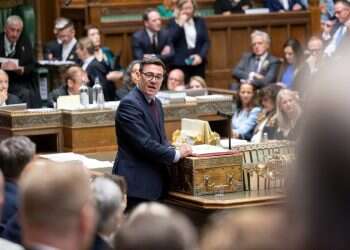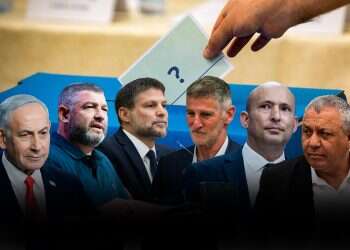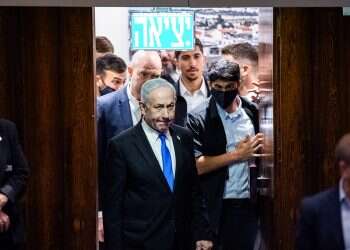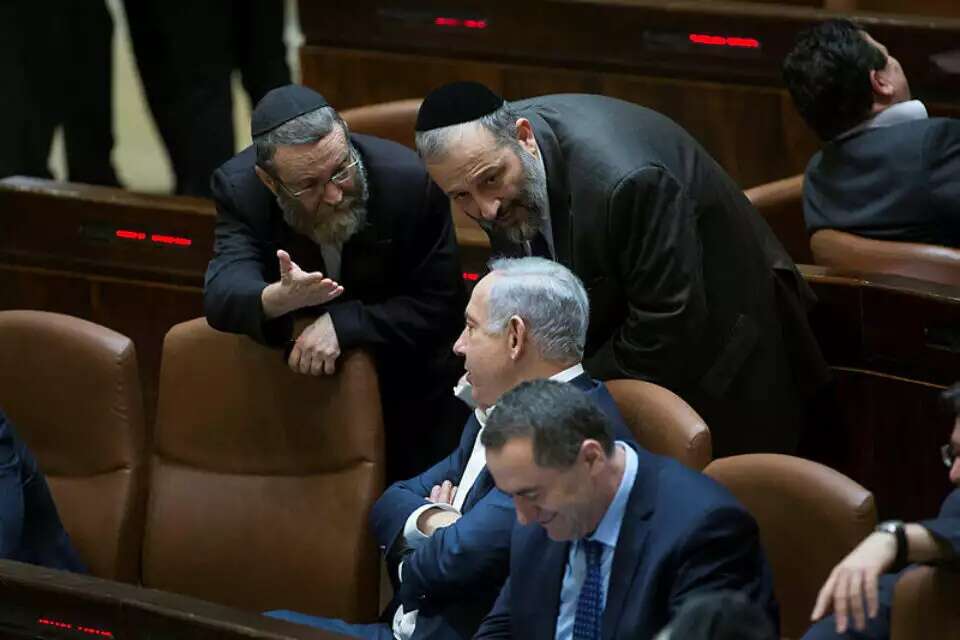
The political upheaval and Rabbi Dov Lando's decision to withdraw support from Prime Minister Benjamin Netanyahu have prompted opposition factions to prepare to complete the move on the parliamentary level. So far, three parties, Yesh Atid, Yisrael Beytenu and The Democrats, have announced that they have submitted bills to dissolve the 25th Knesset to the plenum.
The Knesset has a set procedure for bringing legislation forward. Monday is the designated day for placing private members' bills on the plenum table, and the bills themselves are brought for debate and a vote on Wednesday. In light of the required waiting period under Knesset regulations, the bills to dissolve the Knesset can be brought to a preliminary reading vote only next Wednesday.
However, the coalition still has an "ace up its sleeve": It has the procedural ability to delay and blunt the week in which the various bills to dissolve the Knesset are expected to come up, in an attempt to prevent a last-minute political explosion. Meanwhile, a United Torah Judaism official said, "As of now, we are voting with the opposition next week to dissolve the Knesset, and I believe Shas will come with us."
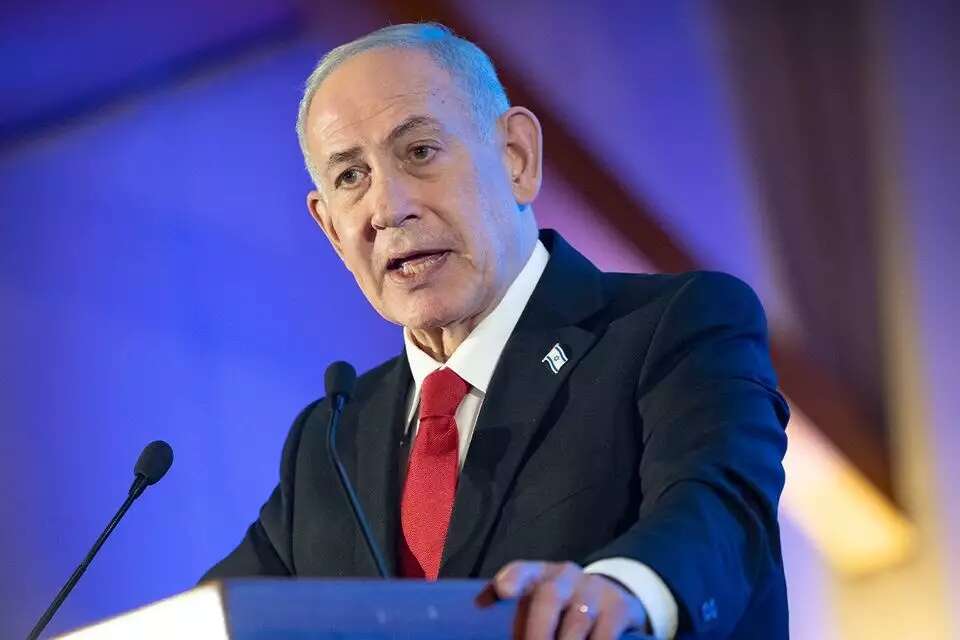
It should also be emphasized that, according to sources involved in the details, Netanyahu made clear in talks with ultra-Orthodox representatives that, as of now, there is no majority to pass the draft exemption law. The list on the prime minister's desk includes eight Knesset members expected to oppose the move: Minister Yitzhak Goldknopf and MKs Shmuel Tesler and Meir Porush of the Agudat Yisrael faction; MKs Yuli Edelstein and Dan Illouz of Likud; Sharren Haskel of New Hope; and Minister Ofir Sofer and MK Moshe Solomon of Religious Zionism. Under these circumstances, the coalition is trapped in a 60-60 deadlock, which means one thing: The law does not pass.
Political officials estimate that it will be very difficult to persuade these Knesset members, since most of them have already publicly announced their opposition and this is not merely a matter of hints behind closed doors. On the other hand, those around the prime minister stress that Netanyahu has not yet thrown in the towel. We are told that he is not giving up and is continuing intensive efforts to find a solution to the crisis and prevent the government's collapse, despite the deadlock it has reached.
An indictment of the government
The bill submitted by MK Efrat Rayten and The Democrats faction lays out a harsh indictment of the current government. The explanatory notes state that "from the moment it was formed, the government has dealt with personal interests, improper appointments and a judicial reform that divided the people of Israel."
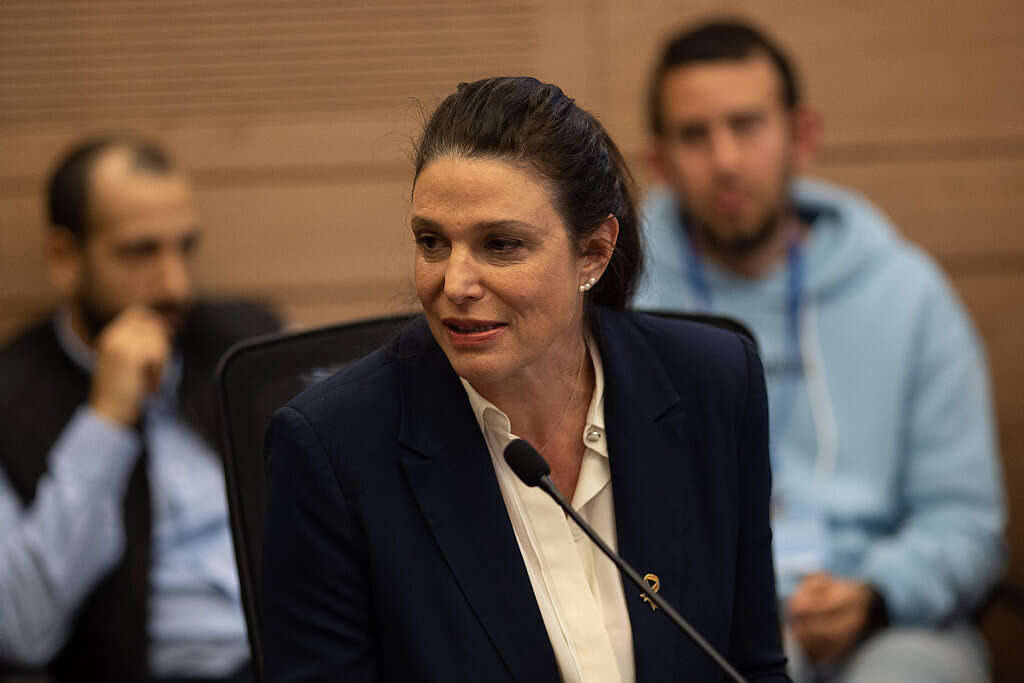
The sponsors stress that the government abandoned the most critical areas: "personal and national security, fair distribution of the public purse, equality before the law, and particularly in the context of the draft law." The document further states that this policy led to devastating consequences, which "brought Israel to the most terrible disaster in its history and the gravest crisis since the establishment of the state." According to the bill, the government continued along this path even after the failure, harming "rights and social cohesion," and is no longer worthy of the people's trust.
The proposal adds that even after the Oct. 7 massacre, the government has continued to act irresponsibly while harming national unity and the economy: "This government is not worthy of the people's trust. The good of the state and its security require the government to be dismantled and the Knesset to be dissolved." The proposed goal is the establishment of a new contract between the state and its citizens, and elections for the 26th Knesset to be held within 90 days of the law's passage.
The coming week is expected to be especially turbulent. As the bills await a vote, all eyes are on the internal discussions within the coalition. If the ultra-Orthodox parties do indeed carry out their threat to "break up the bloc" and support the opposition's bills next Wednesday, Israel will officially enter elections that will end within three months.