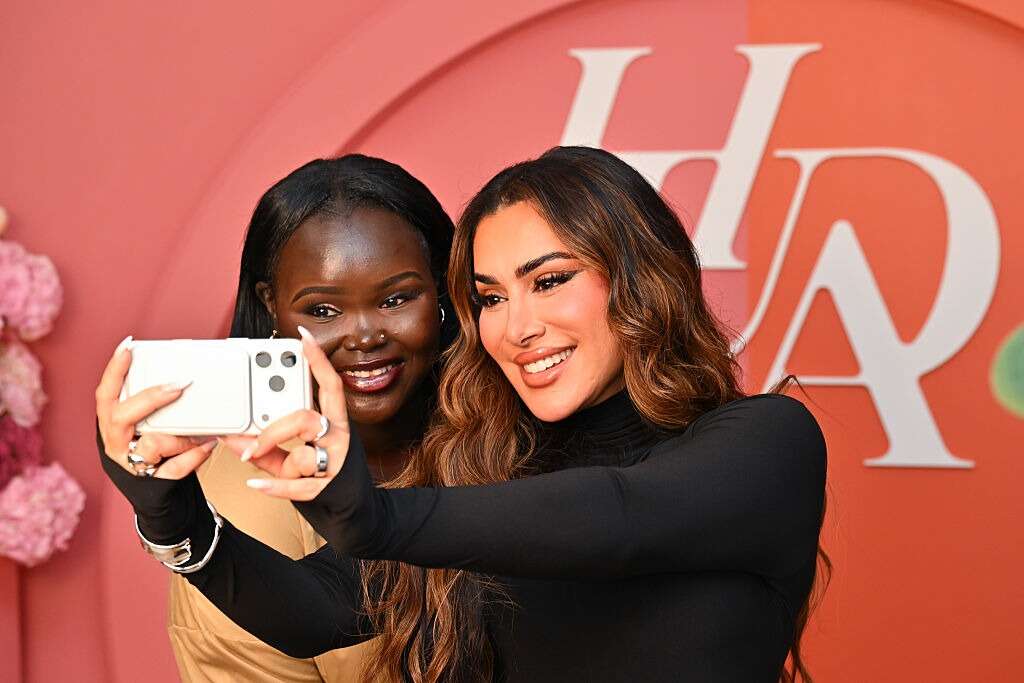
Only four months after Huda Kattan, founder of Huda Beauty, got caught in a global firestorm over antisemitic and racist content she posted on TikTok, she finds herself at the center of another storm. This time, as someone forced to denounce and reject racism from another source.
Last time around, Kattan faced accusations of spreading conspiracy theories against Israel, including baseless charges that the country was behind the world wars, the 9/11 attacks, and even Hamas's October 7, 2023, assault. Now she's dealing with a fresh storm that broke right inside her own organization – centered on the reality TV personality who, until very recently, served as one of the brand's public faces.
This past weekend, Huda Beauty announced through its official Instagram account the end of its business arrangement with Huda Mustafa, star of Love Island's seventh season. The message came in sharp, unambiguous language, citing "behavior that doesn't match the company's values."
@jeyandmeka Huda is in hot water and it seem to be causing her some brand deals!!! JEY AND MEKA STAND WITH OLANDRIA!! #huda #hudaandlouis #loveislandusa #hudamustafa #olandria ♬ Censor Beep Bleep (Version 3) [TV Television Censorship Bleep Out Censored] [Sound Effect] - Finnolia Sound Effects
The trigger was a livestream Mustafa hosted with her boyfriend, ex-reality star Louis Russell. During the session, an anonymous commenter threw out a racist remark aimed at Alexandria Carchán, another contestant from the same season. Rather than calling out the comment or ending the broadcast, Mustafa and Russell looked uncomfortable and laughed, acknowledging it was "a bad and horrible word" but failing to show any real pushback.
Hours later, the clip had spread throughout the web and gone viral. Public fury came swiftly, and responses followed just as fast.
The company stated, "We are truly disappointed by Huda Mustafa's recent live and we take all forms of racism very seriously. While we don't believe her actions reflect her character, we found them deeply upsetting. We know that many members of our community and our team were offended by these actions. While we valued the partnership we had with Huda, her recent behaviour, and the way the situation has been handled does not reflect our brand's principles." The message continued, "Please remember this is about accountability, not canceling people."
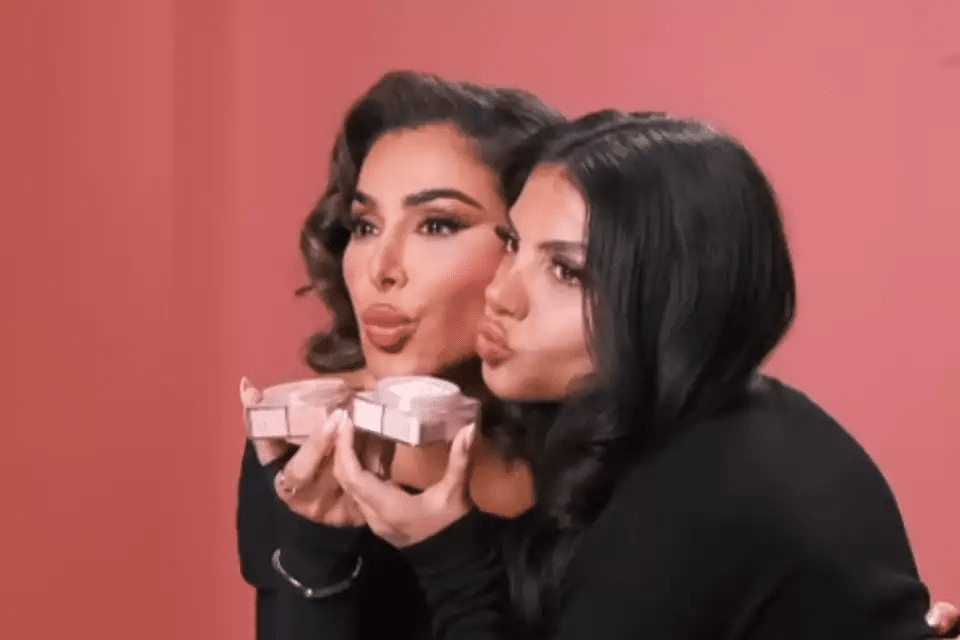
Days later, Huda Beauty scrubbed all references to Mustafa from its official site and social channels, barely a month after they'd jointly unveiled a glitzy campaign for the fresh makeup collection. Kattan herself had called the partnership "one of the most coveted and thrilling" projects for the brand.
Mustafa first attempted to clarify that she hadn't caught the racist remark, but once the footage went viral, she issued a public apology to Carchán. She insisted she'd laughed "from discomfort, not from indifference."
Carchán fired back on Instagram, posting, "Language like that carries generations of anguish. Acting like it's no big deal just keeps the pattern going."
The online community split down the middle – some applauded Huda Beauty for taking a firm stance, while others charged the company with double standards, especially given Kattan's own remarks mere months before. Mostafa, meanwhile, hasn't taken down the campaign materials but has stayed quiet following her apology.
Huda Beauty, worth more than a billion dollars, constructed its reputation around inclusion, empowerment, and diversity. Yet the ongoing turmoil highlights the friction between promotional messaging and the messy realities of digital life.
For Kattan, who took heat herself for antisemitic comments only months back, this moment feels especially delicate. Sephora, the brand's primary retail partner, even stated back then it was "reviewing the situation." Now, with the brand attempting to signal absolute intolerance toward racism, Huda Beauty appears compelled to wrestle once more with that recurring question – what does "beauty" really mean in an age when everything faces moral scrutiny, too?