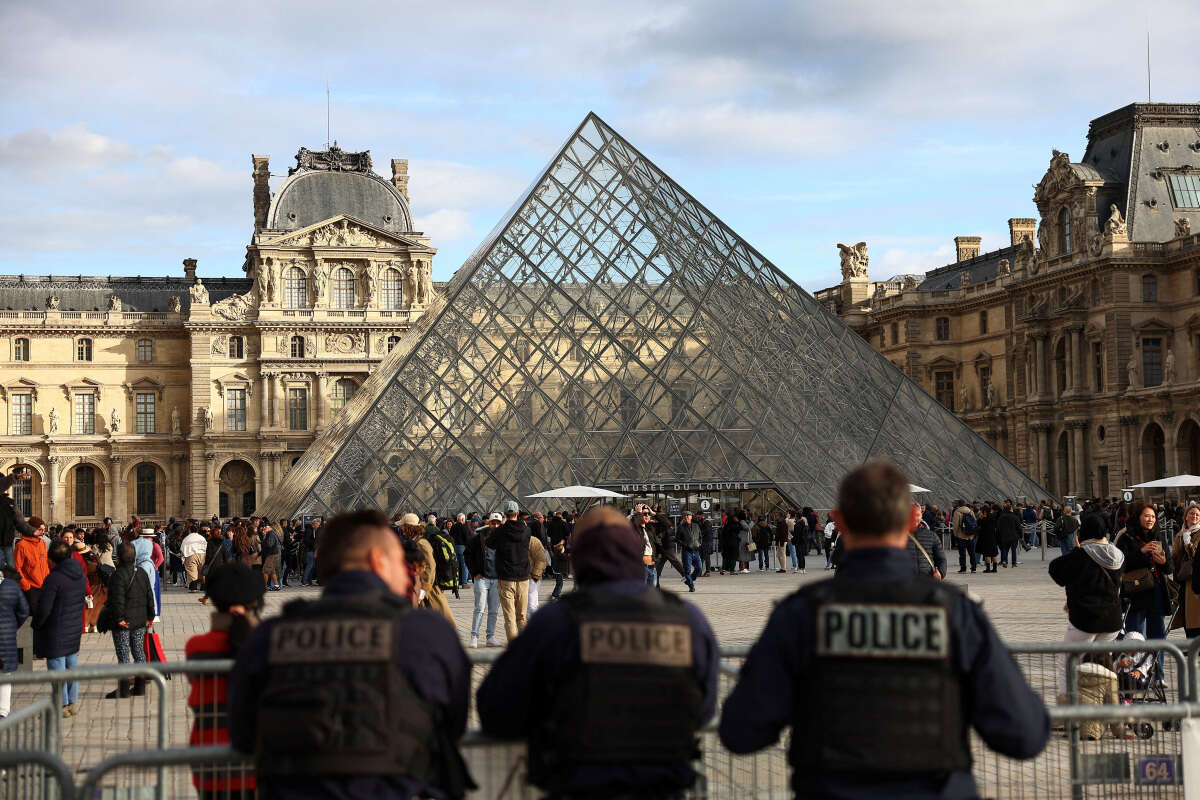
People connected to the Louvre heist contacted Israeli business intelligence firm CGI Group with an offer to sell one of the stolen jewels for 8 million euros. This marks the second approach the company received through the dark web after a previous negotiation with the firm failed due to what its representatives described as the French authorities' refusal to advance the recovery of the jewels through this channel. The Louvre Museum itself denied contacting the Israeli company after reports on the matter emerged.
Four days after the heist, on October 23, a person identifying himself as a representative of the thieves contacted CGI Group's website. "We heard you were involved in the Dresden incident," the message stated. "We have something similar – one of the missing works from the Louvre Museum. Are you interested?"
The criminals offered a deal within 24 hours in exchange for transferring 8 million euros through an encrypted method via a "neutral point in Austria or Slovakia." The Israeli company's staff demanded proof of authenticity and simultaneously contacted French sources. However, the French did not advance the negotiations, and the criminals lost patience. "Words sound good, but practical steps speak louder," they wrote. "If you're serious this time – prove it."
On November 1, the criminals reached out again, accusing the company of not being serious. "We explained the situation to him while attempting again to build trust, we received another time window," said Zvika Neve, CEO of CGI Group. "But unfortunately, once again the French ego sabotaged the opportunity to return the jewels." The correspondence ended three days ago without result.
CGI Group claimed that sources connected to the museum contacted the company through its European branch in Rome, attempting to obscure the connection with the Israeli company and asking them to help solve the break-in mystery. However, the Louvre Museum officially denied this.
According to Zvika Neve, the company's CEO, "Five days after the heist at the Louvre Museum, a person identifying himself as a representative of the thieves contacted us through the CGI website and asked if we were interested in negotiating with him on the dark web to purchase the stolen works, emphasizing that we would be given the opportunity to complete a deal within 24 hours. We responded to the offer after conducting lengthy chats with him to examine and confirm that he proves to us that he indeed holds at least part of the work. Immediately after the approach, we updated the relevant sources in Paris, but unfortunately, ego games and foot-dragging sabotaged the possibility of purchasing at least part of the works. On November 1, 2025, the thieves' representative contacted us again and accused us of not being serious. We explained the situation to him while attempting again to build trust. We received another time window, but unfortunately, once again, the French ego sabotaged the opportunity to return the stolen jewels."
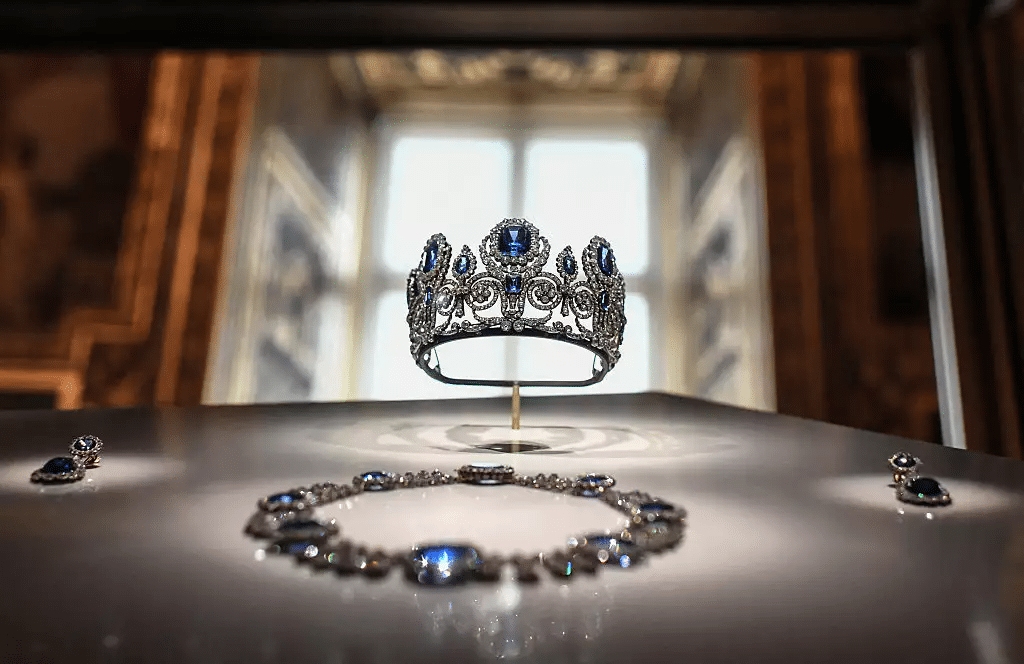
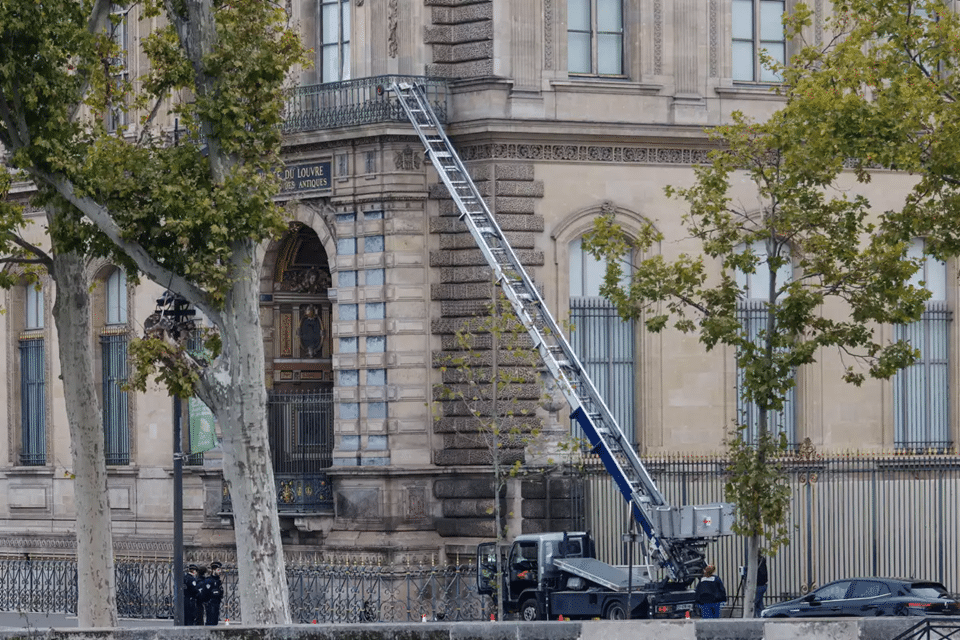
On October 19, four thieves disguised as construction workers broke into the Louvre Museum. The thieves arrived in a truck with a crane, climbed to the first floor, smashed a window, and entered the Apollo Gallery. Within minutes, nine historic jewels belonging to the French royal families were stolen. Empress Eugénie's crown – the most valuable – was found broken outside the museum.
A week after the heist, two suspects in carrying out the break-in itself were arrested: a 34-year-old French-Algerian citizen caught at Charles de Gaulle Airport moments before a flight to Algeria, and a 39-year-old man in the Paris area. Both partially admitted their involvement. Last weekend, five more suspects were arrested, including a couple from Saint-Denis – a 37-year-old man whose DNA traces were found in the crane truck and who is suspected as part of the thieves' gang, and his 38-year-old girlfriend.
Three of the suspects were released, and four had charges filed against them and remained in custody. The jewels, estimated to be worth around $100 million, have not yet been found.
In an interview with Radio France-Info, prosecutor Laure Beccuau said this involves "criminality that isn't exactly everyday, but also not the type usually associated with the top tier of organized crime." During the conversation, she said the profile of the four people arrested so far – including one suspect's girlfriend – is not typical of organized crime figures capable of carrying out complex operations.
In 2019, after the diamond heist from the Green Vault museum in Dresden, CGI Group was hired to examine the security setup. The company claimed it provided information that helped the investigation.