


Saturday's report on NBC News marked the opening salvo ahead of Netanyahu's planned visit to Trump's Florida estate next week. It highlighted not only Israel's priorities versus those of Washington, but also a fundamental difference in approach. While the administration in Washington is seeking to wind down active fronts, Israel wants to keep its options open.
According to the report, Iran has rebuilt its ballistic missile production capabilities and is now manufacturing missiles at a pace and scale that could pose a significant challenge to Israel. Although Iran's production infrastructure was severely damaged during the campaign against it last June, foreign assistance, primarily from China, has enabled Tehran to resume large-scale activity, with the aim of producing about 3,000 missiles a month.
Such quantities would severely strain Israel's air defense systems, prompting Jerusalem to consider another strike to neutralize Iran's capabilities before they are operational. The report also said Israel is concerned that Iran has resumed activity at its nuclear facilities, which could again become targets, despite claims by both Trump and Netanyahu that they had already been destroyed.
Five fronts
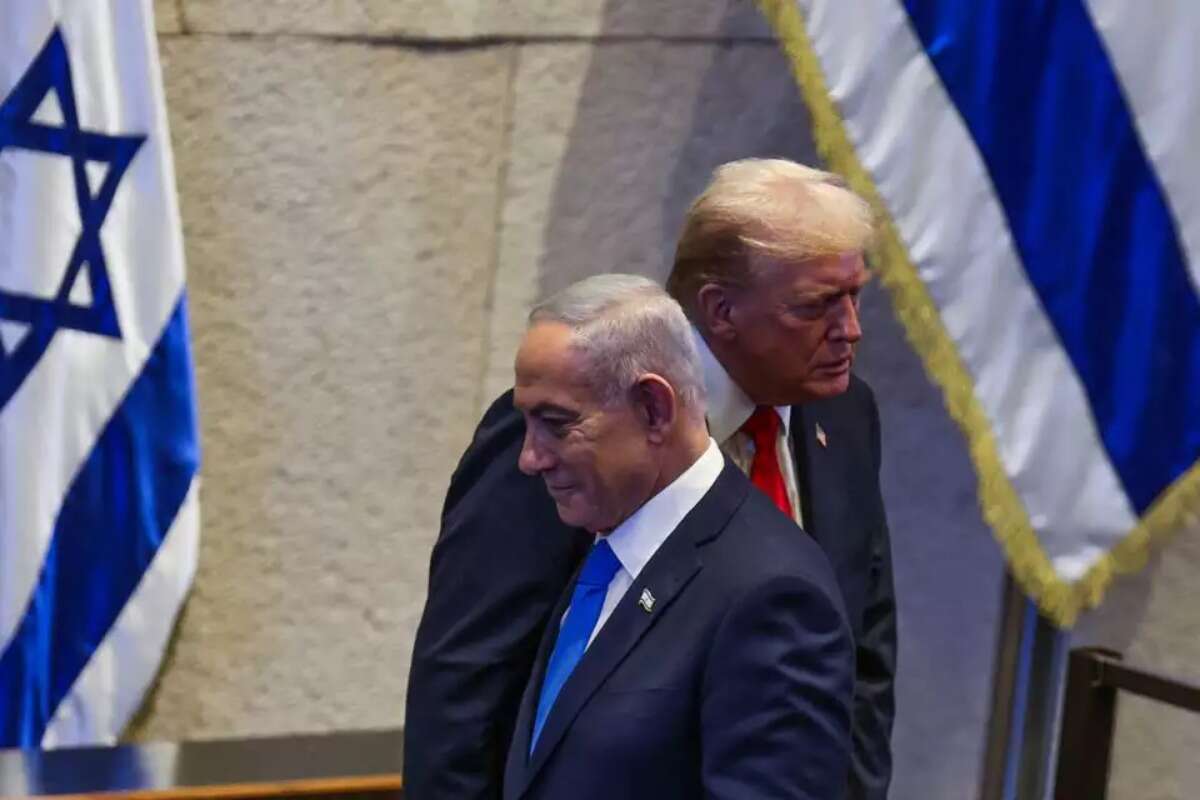
The Iranian front is only one of five expected to dominate the talks. Netanyahu is expected to push it to the top of the agenda, while Trump will seek answers on the other fronts as well.
In Syria, Trump wants to advance a security agreement with the government of Ahmed al-Sharaa, which is demanding that Israel withdraw from territory it seized last December. Israel has repeatedly made clear that as long as the situation in Syria remains unstable and the intentions of the new government are unclear, it will maintain its presence in the Syrian Golan Heights and on Mount Hermon. Trump will have to choose between Israel's security interests and those of his favored partner al-Sharaa, who enjoys active backing from Turkish President Recep Tayyip Erdogan.

In Gaza, Trump wants to move ahead with Phase II of the agreement, which would include the deployment of forces in the Rafah area as a step toward demilitarizing and rehabilitating the Strip. Israel is currently tying any progress to the return Staff Sgt. Ran Gvili, the last Israeli hostage in Gaza. In Washington, however, there is growing doubt that Israel would allow the process to move forward even then. US officials believe Israel is looking for pretexts to derail the deal and return to fighting. They were angered by an Israel Defense Forces strike west of the Yellow Line on Friday, just as they voiced open displeasure last week following the killing of senior Hamas terrorist organization official Raad Saad.
Differences also extend to Judea and Samaria, against the backdrop of violence by far-right activists. Under pressure from moderate Sunni states, mainly Saudi Arabia, Jordan and Egypt, the administration is concerned about declared plans to establish new communities there and about the potential erosion of the status quo on the Temple Mount. Trump, who had hoped to announce a breakthrough in Israel's relations with Saudi Arabia and the broader Arab world by the end of the year, is now focused on preserving the status quo, a difficult task given that Israeli policy is also driven by domestic political considerations in an election year.

The fifth front is Lebanon, where Trump has expressed support for Israel's tough stance against Hezbollah, the Iranian-backed terrorist organization. Late last week, another meeting was held in Naqoura between Israeli and Lebanese representatives, but it failed to significantly narrow the gaps between the sides. Israel has also provided Washington with intelligence on a long list of Hezbollah violations that the Lebanese government has ignored, including cooperation between the Lebanese Armed Forces and Hezbollah.
A senior official said Saturday that Netanyahu will have to maneuver among all these fronts and may be required to make compromises on some of them. The Americans, he said, are seeking to reduce the number of active combat fronts, while Israel wants to keep all its options open. For now, IDF operational plans are on hold until after the meeting. Barring an unexpected development, a major escalation on any front appears unlikely in the immediate term.


