


Reports of "suspicious movements" within Iran's strategic military systems are sharpening concerns over miscalculation, which could lead to a new confrontation between Iran and Israel. Although Iran is probably not interested in an open clash with Israel at the present time, it is equally unwilling to revert to the strategic position it found itself in at the outset of Operation Rising Lion. If decision-makers in Tehran conclude that Israel is considering an attack, Iran may prefer to strike first.
Since the end of Operation Rising Lion, intermittent reports have pointed to heightened readiness within Iran's strategic systems in anticipation of a possible escalation with Israel. While this preparedness has not yet led to renewed hostilities, it should not be dismissed lightly, particularly as it reflects anxiety and concern in Tehran about another round of fighting, and above all the possibility that Israel could once again take Iran by surprise.
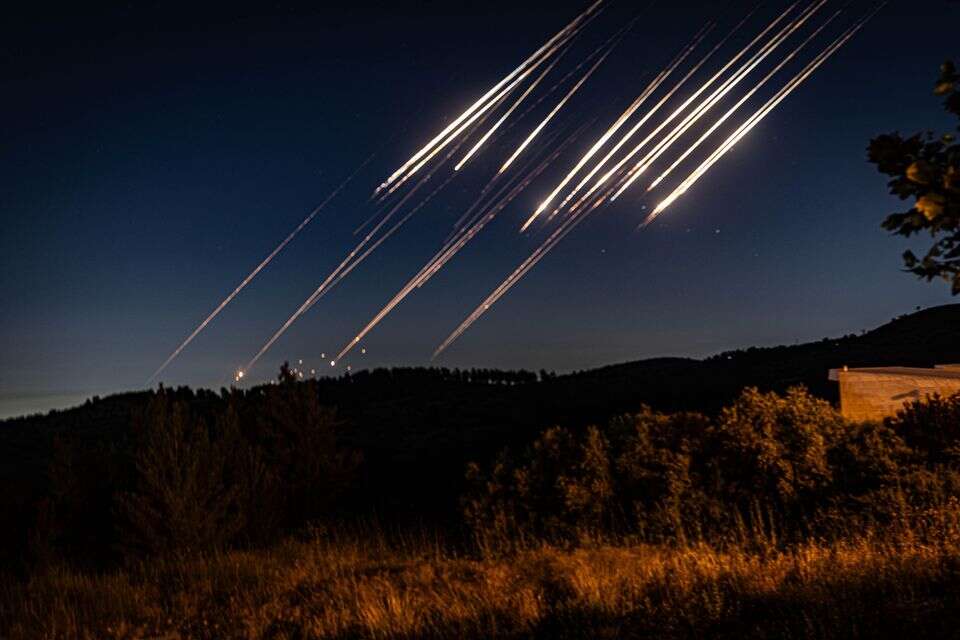
Contrary to the prevailing perception, Iran's leadership is not eager for war. This stems largely from fears over the consequences of a conflict fought on Iranian soil. Tehran has long preferred to have others fight its wars for it, sparing the regime from direct confrontation, especially at a time when its strategic situation is problematic and it faces significant challenges that threaten regime stability.
That said, one of the main lessons Iran appears to have drawn from Operation Rising Lion is that it must not be caught off guard again, even if it has no interest in fighting right now. As a result, the primary trigger for another confrontation between Iran and Israel appears to lie in the danger of miscalculation: a scenario in which Iran assesses that Israel is about to attack and therefore opts to strike preemptively.
In an effort to avoid sliding into war, Tehran seems to be using heightened alert levels in its strategic systems to send a message to Israel about its readiness for confrontation, primarily as a means of deterrence should Israel be contemplating an attack. In this way, Iran is trying to dispel some of the uncertainty surrounding a potential Israeli strike and avoid the need to initiate an attack itself.

The central problem is that as Iran continues to rebuild its capabilities, Israeli threats also intensify. In the absence of a direct "red line" or communication channel between Israel and Iran that could help defuse tensions, similar to the hotline that once existed between the Soviet Union and the US, the likelihood of escalation increases every time Iran concludes that Israel may be on the verge of attacking.
Against the backdrop of statements by Israel's leadership on the Iranian issue, it is likely that the sense of unease in Tehran will only deepen over time, along with the growing risk of miscalculation.


