


Nearly half a century after the 1979 Islamic Revolution, Iran has not proven that its ideology offers a cure for society's ills. The revolution's two central promises were social justice and political justice — bread and freedom. Today, Iranians enjoy no more freedom than they did under the shah, and social gaps have remained. The country finds itself at a historic crossroads, locked in a struggle over its character, its identity and the future of the Islamic Revolution.
Modern Iranian history is marked by revolutions and rebellion. Iran is the only country in the Middle East — and one of the few in the world — to have experienced two major revolutions in the 20th century: the Constitutional Revolution of 1906 and the Islamic Revolution of 1979. Since then, the country has seen a series of protest movements: student protests in 1999, the Green Movement in 2009, waves of unrest in 2017 and 2019, the 2022–2023 protests under the slogan "Woman, Life, Freedom," and, since late 2025, the most turbulent wave yet. This time, demonstrators are no longer demanding policy changes but calling openly for regime change.
For Iran's rulers, the Islamic Revolution was not merely a label but an ideal: a revolution in every sphere of life, rooted in Islam. Yet, as with other great revolutions in history, they discovered that utopian means could not deliver their goals and were forced to adapt doctrine to reality.

Three identities
As early as 1988, Ayatollah Ruhollah Khomeini ruled in favor of the supremacy of state interests over dogma, declaring that the government even had the authority to demolish a mosque or suspend core Islamic commandments if the national interest required it. Disputes soon emerged over which interests should take precedence — those of Islam, the state, the regime or the supreme leader — as well as over the relationship between religion and state, policy and national identity.
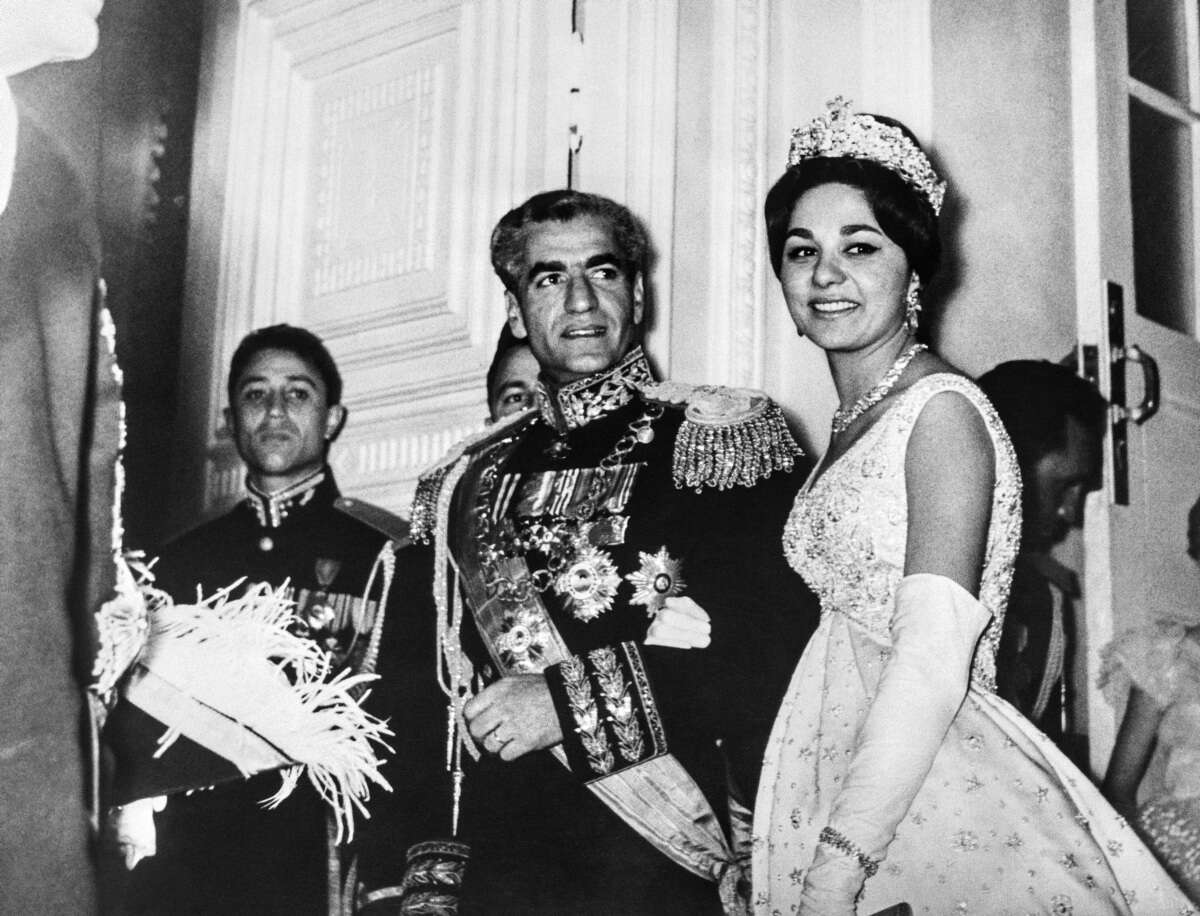
Iranian identity rests on three pillars: the Persian imperial and monarchical heritage, the Islamic Shiite legacy and the influence of Western culture. The last shah failed to erase Islam's influence, and the Islamic Revolution failed to diminish Persian civilization or the pull of the West. Constitutionalism, parliamentarianism and nationalism — all of which have become sacrosanct under the Islamic regime — originated in the West.
Today's young Iranians gravitate toward Western culture and remain loyal to their Persian heritage. In defiance of regime policy, they celebrate the Persian New Year, visit the tomb of King Cyrus the Great, women shed the veil, and youth adopt Western symbols.
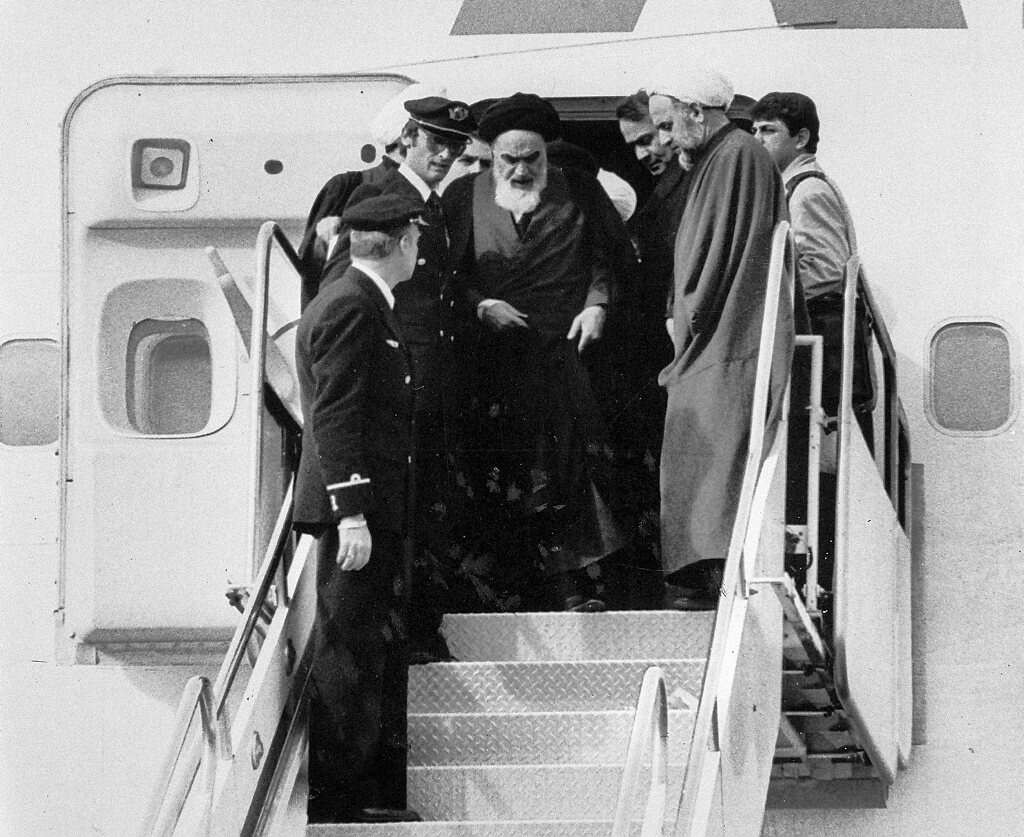
Recently, as protests have intensified, the regime has eased dress-code restrictions and emphasized Iranian nationalism. Thus, when Supreme Leader Ayatollah Ali Khamenei emerged from seclusion after the 12-day war, instead of glorifying Islamic identity he chose to speak wistfully about Iran. He even asked to sing "Ey Iran," a song that has become the opposition's alternative anthem.
It appears that in the struggle between Islamic and Iranian identities, the latter has the upper hand. Young people were raised on the notion that America is the "Great Satan," only to discover that the West represents prosperity and happiness. Western influence has thus entrenched itself as a third, permanent component of Iranian identity.
A new generation
In 1979, the masses chanted "Islam is the solution." In 2009, they began to question whether that was true. Today, many have concluded that Islam — as implemented in Iran over the past 47 years — is not the answer. Empty mosques devoid of young worshippers, along with opinion polls showing an overwhelming majority in favor of separating religion and state, testify to this shift.
This is a protest movement led by the younger generation, with young women at its forefront. This new tune will be difficult for the Islamic regime to silence, even if it succeeds in crushing the current wave of protests.


