


The ceasefire in the fighting with Iran, for now for two weeks, leaves Israel in a problematic strategic position: It failed to achieve any of the war goals it had set for itself; it remains entangled in the war in Lebanon; and its international standing is at an unprecedented low point amid accusations that it dragged the US into a war with Iran. To that must be added the continuing damage to the Israeli economy, especially to the home front, and the severe crisis of trust between the government and the Israeli public, particularly in the north.
Israel was privy to the details of the ceasefire that was reached, but it was given no ability to influence it. The ceasefire was imposed on Israel, which was forced to back it with a late-night statement in English from Prime Minister Benjamin Netanyahu. It is doubtful whether Israel truly supports the ceasefire, as it was compelled to declare: The 10 points included in the Iranian principles document for negotiations do not address, even in the slightest, its interests regarding the nuclear issue, missiles, proxy funding and neutralizing Iran's negative regional influence in the Gulf.

The IDF did achieve in the operation most of the operational objectives it had set for itself, but Netanyahu failed to translate those into a broader strategic result. Just as happened in the war in Gaza and in the previous war in Lebanon, Israel has found itself in an endless campaign, with the goals it set appearing either too ambitious or impossible to achieve. The regime in Iran did not collapse, as had been claimed it would; control over 440 kilograms of highly enriched uranium was not achieved; the missile array was only partially neutralized; and support for the proxies continued and even turned into an active regional campaign involving the Hezbollah terrorist organization, the Houthis and Shiite militia groups in Iraq.
It appears that this time, too, Israel overestimated its capabilities and underestimated Iran. The New York Times investigation on the way Netanyahu led the US into the war was illuminating in its detail and depth. It emerges that Israel made false promises about a rapid collapse of the regime, aided by demonstrators who would return to the streets and Kurdish militias that would raid into Iranian territory, and claimed that Iran would be unable to close the Strait of Hormuz and would inflict only limited damage on US interests in the Gulf. There were many in the top ranks of the administration in Washington who opposed these claims in real time, including the secretary of state, the chairman of the Joint Chiefs of Staff and the CIA director, arguing that Israel was overselling, yet Trump was persuaded to proceed.
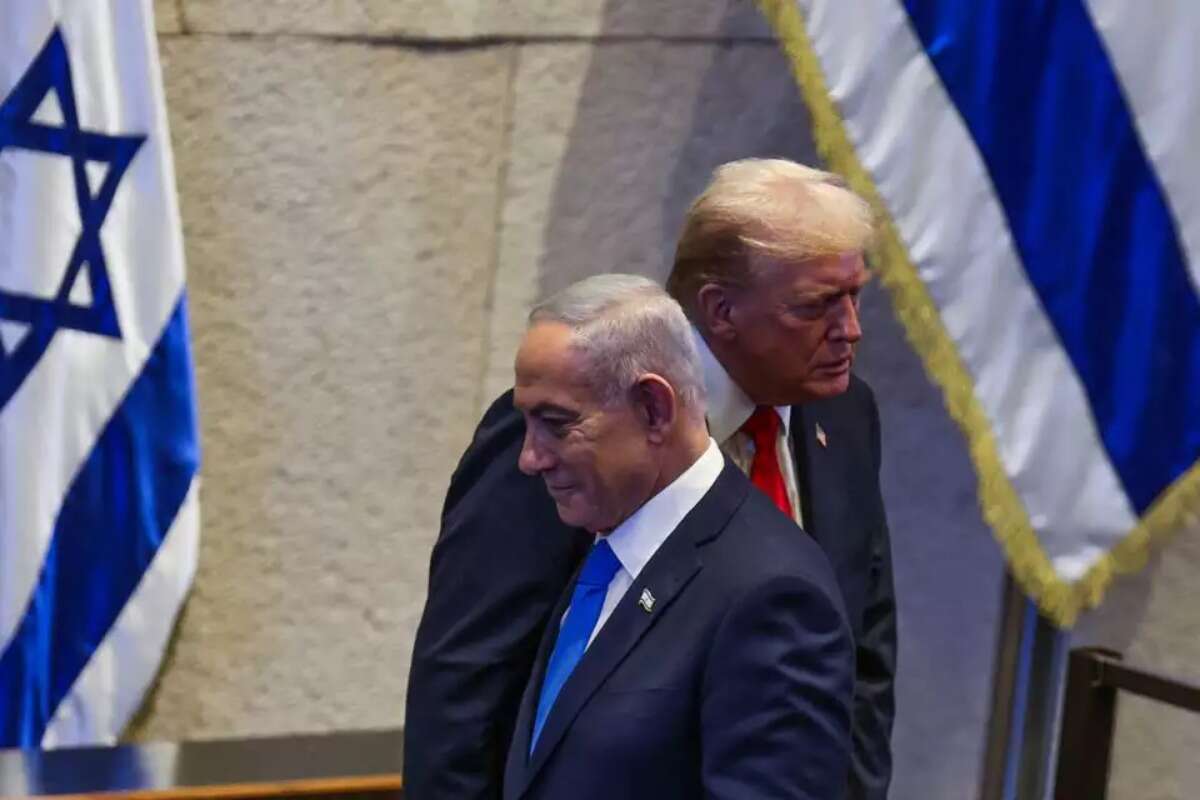
That investigation, following earlier reports, could further erode Israel's standing in the US, which is already at an unprecedented low. It will also make it harder for Israel to enlist Washington again, whether in two weeks or in the future, if action is required. The reaction in global stock markets and oil prices points to an anti-war mood, and it is likely that any attempt to change course again will meet even fiercer resistance than before.
The Gulf states question
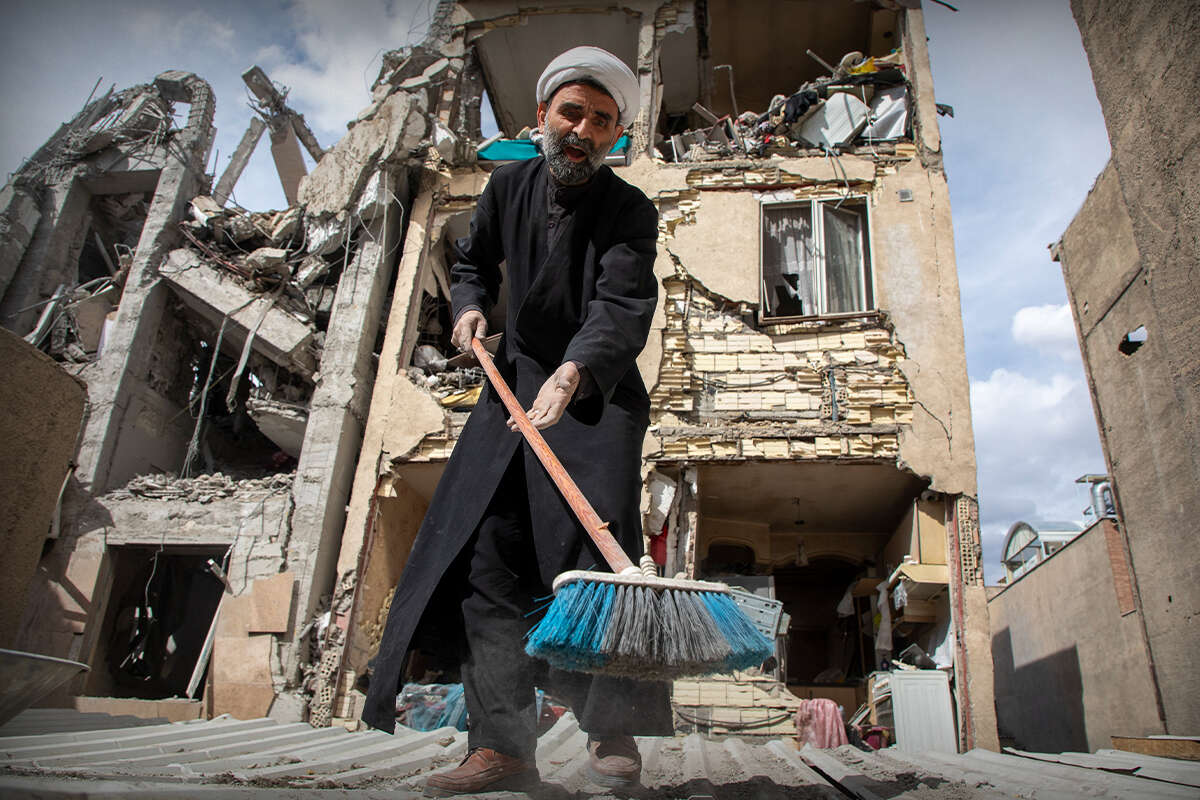
Iran may be claiming a "divine victory" in the campaign, but it emerged from it battered, weaker and poorer than before. Even so, the old-new regime proved its ability to survive, making impressive use of its rivals' main weak point, Hormuz and oil, while once again showing that the Iranian people rank very low on its list of priorities.
Most of the damage it suffered can be repaired in time, certainly if some sanctions are lifted and if it is allowed to collect taxes from oil tankers passing through the strait. Such a move would also be disastrous for Iran's Gulf neighbors, which now find themselves weaker and more troubled than before at the end of the campaign, facing a radical Iranian regime even more vengeful than its predecessor. They too, like the American public, may now choose to direct their anger at Israel, which in their view endangered their strategic interests.
Trump, it seems, looked for every possible way to end the campaign without having to make good on his threats to send Iran back to the Stone Age. He feared another entanglement that could cost American soldiers' lives and might not achieve its goals. The partial reopening of the strait allowed him to declare victory, and from the statements and posts he published after the ceasefire it is clear that he believes an agreement can now be reached. One must hope that Trump will now take greater interest in the emerging details of that agreement than he showed in the war plans.
The next step
From statements published abroad, it was possible to understand that the ceasefire also applied to Lebanon. Israel was quick to deny that and attacked Hezbollah furiously, including a planned strike on several hundred of the organization's operatives at their headquarters. Defense Minister Israel Katz boasted, as is his way, about the achievements of that strike, though it is worth asking, assuming it indeed succeeded, why Israel did not carry it out earlier, and especially whether the continuation of the fighting in Lebanon will not be seen around the world as a conspiratorial move meant to collapse the ceasefire and return the fighting to Iran as well.

The Israeli public deserves answers to all these questions. During the war, Netanyahu avoided facing the media and the public, making do with pre-filmed statements in which he blamed Israeli media and the opposition for the mood in the television studios. It is likely that he will now try to shift responsibility for the results, through his mouthpieces, onto others. Presumably, responsibility for the limited success in Iran will be pinned on the Mossad, and in Lebanon on the IDF.
Israel must now decide how to proceed in Lebanon. It has major ground forces there, but the goal it set for itself, disarming Hezbollah, appears impossible to achieve. The organization has indeed suffered severe military blows, but it has held firm and once again succeeded in exhausting the north, and under the cover of the ceasefire with Iran it feels strategically stronger. That can also be seen in its statement yesterday that it would not agree to a deal similar to the one signed at the end of the previous round in November 2024, under which Israel retained complete military freedom of action in Lebanon, including a ground presence in its south.

Hezbollah has also almost entirely refrained from firing at Israel, seemingly in order to signal that the war was being conducted by one side only, the side that bears responsibility for its consequences. Israel must close this issue quickly with Washington, and also with France, and indirectly with the Lebanese government, which is surely very troubled by the latest developments. Above all, the government must emerge from its deep paralysis regarding the communities and residents of the north, who as of this morning will find themselves in a situation where all other parts of the country have returned to routine while they continue to live in emergency conditions, without any of the promises made to them on security, compensation and infrastructure having been fulfilled in the slightest.
The broader public, too, is entitled to ask, as it leaves the shelters and safe rooms, whether its situation has improved as a result of the war. If one sets aside the damage to infrastructure and property and the blow to the economy, the answer in the short term is yes, but in the medium and long term the answer is no. Anyone who was already dreaming of the bazaar in Tehran and hummus in Beirut is invited to wake up: The calm has indeed returned, and all systems will resume normal operations, but Israel is waking up to a complex reality with its hands more tied than before.


