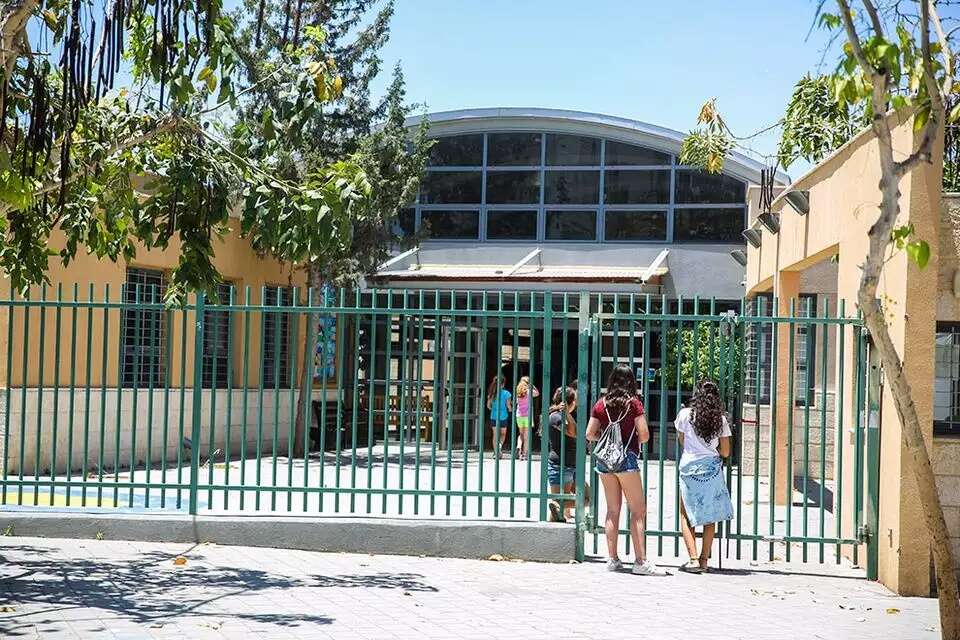
This morning, Israeli parents and students woke up to major news: after six weeks of fighting, during which the education system was almost entirely shut down, a ceasefire with Iran was announced.
The news comes at an ideal time for parents. Under the original prewar schedule, tomorrow, Thursday, was already supposed to be a regular school day. Next week is expected to be a full week of classes, including Holocaust Remembrance Day ceremonies, followed the week after by the Independence Day break.
Before the holiday, in light of the war, various plans were approved to help reopen the education system on a limited basis. The ceasefire makes all of those plans unnecessary. In practice, the school system could return to full, normal operations as early as Friday or Sunday. Still, any decision that is made will rest solely with the Home Front Command.
It is likely that a full reopening will take place on Sunday. Schools have been closed for six weeks, meaning staff and local authorities need time to prepare. Since the education minister had already announced that there would be no classes on Thursday and Friday, it is unlikely he will reverse that decision after the holiday ends.

Questions in the north remain unresolved
The major question will remain schooling in northern Israel. Under the current situation, students from Haifa northward will not be able to return to classrooms under calm conditions, and they will be required to remain close to protected spaces, especially in communities near the border. Given those restrictions, a return in that region is not guaranteed.
The ceasefire deal is expected to provide calm in the coming weeks and allow matriculation exams to proceed as scheduled. A look at the calendar shows that only 48 school days remain until the end of the academic year for secondary school students. In less than three months, on June 30, kindergarten and elementary school students will finish the 2025-26 school year, while secondary school students, including middle and high schoolers, will finish earlier, on June 18.
If the final week of June, which is usually not devoted to actual learning, is removed from the equation, and Fridays, the Independence Day holiday, Shavuot and holiday eves are taken into account, only about 60 learning days remain until the end of the year for kindergarten and elementary school students, and just 48 days for middle and high school students, assuming they continue studying on Fridays.