The somewhat surprising ceasefire does not necessarily signal the end of the war and, at least at this stage, has not delivered the goals declared at its outset. Even so, the lack of precise information about the understandings that led to the ceasefire, along with discrepancies between statements by different parties, requires caution in analyzing the situation and avoiding declarations that either side has won.
Let us begin with the facts. US President Donald Trump announced the ceasefire two hours before his ultimatum expired. The announcement, in typical Trump fashion, was excessively optimistic and described the beginning of a path toward peace in the Middle East. In practice, what we know is that this is a two-week ceasefire intended to allow negotiations between the sides.
It includes a halt to attacks on Iran, even though the Islamic Revolutionary Guard Corps fired missiles at Israel and the Gulf after it was declared. Iran is also supposed to reopen shipping through the Strait of Hormuz and allow the passage of oil and gas tankers as well as cargo ships.
In doing so, Iran was forced to accept the core US condition for a ceasefire that Trump laid out in his ultimatum. The Americans gave up other conditions, including continued strikes on Iran and demands relating to its nuclear and missile programs. Those issues, and others, are supposed to be on the negotiating table over the next two weeks. According to statements from the Prime Minister's Office, the Americans promised both Israel and the Gulf states that they would pursue completion of the war's objectives in the talks.
The US will insist on its nuclear demands
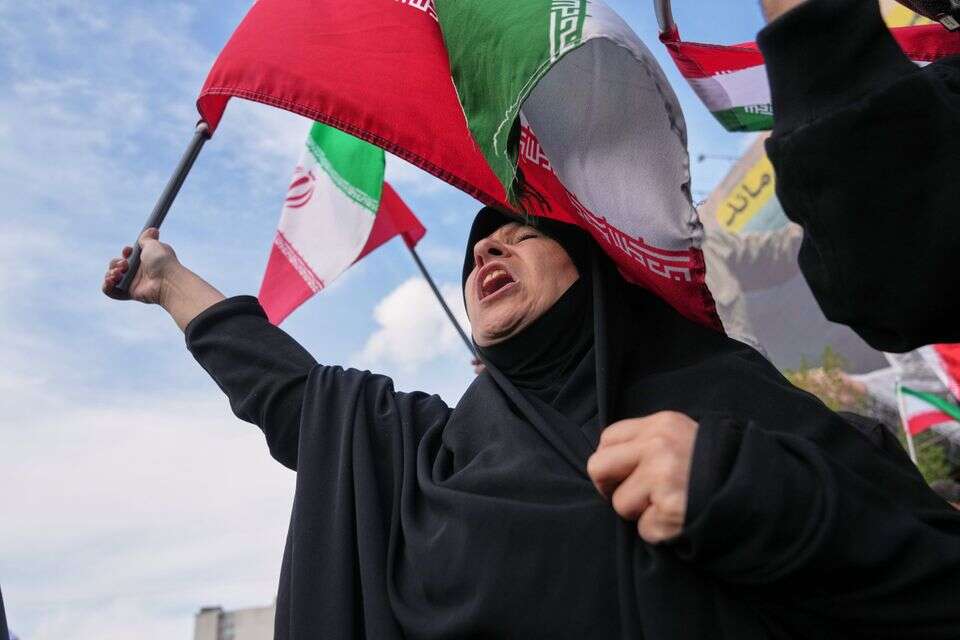
Statements by the parties involved contained significant discrepancies. The Iranians, for example, claimed that the 10 points they presented to the Americans had been accepted. In practice, what exists is an American position paper that it was agreed would be raised in the talks. In addition, according to the Americans, the 10 points published in the Iranian media differ from what came up in the ceasefire contacts. The nuclear issue, which at least according to public statements was foremost in Trump's mind, is one of the biggest unknowns. Based on Trump's earlier statements, the solution lies in burying the enriched uranium and preventing Iran from accessing it.
A senior American official told Israel Hayom that the US will insist on meeting all of its demands, including permanent, close monitoring of the sites where the enriched uranium is buried, an Iranian commitment to hand over any enriched uranium that was not buried, no enrichment on Iranian soil, and a commitment to halt the military nuclear project. According to Trump, the Strait of Hormuz is supposed to be opened immediately to completely free navigation, but various reports have said that Iran, and even Oman on the other side of the strait, may be allowed to collect transit fees. In response, an American official tells Israel Hayom that there is no US authorization for transit fees.
There are also gaps in the statements regarding Lebanon. Pakistan's prime minister said the ceasefire applies to all fronts, including Lebanon. Netanyahu's office said Lebanon is not included, and Israeli strikes have already demonstrated that.
Most of the war's objectives were achieved
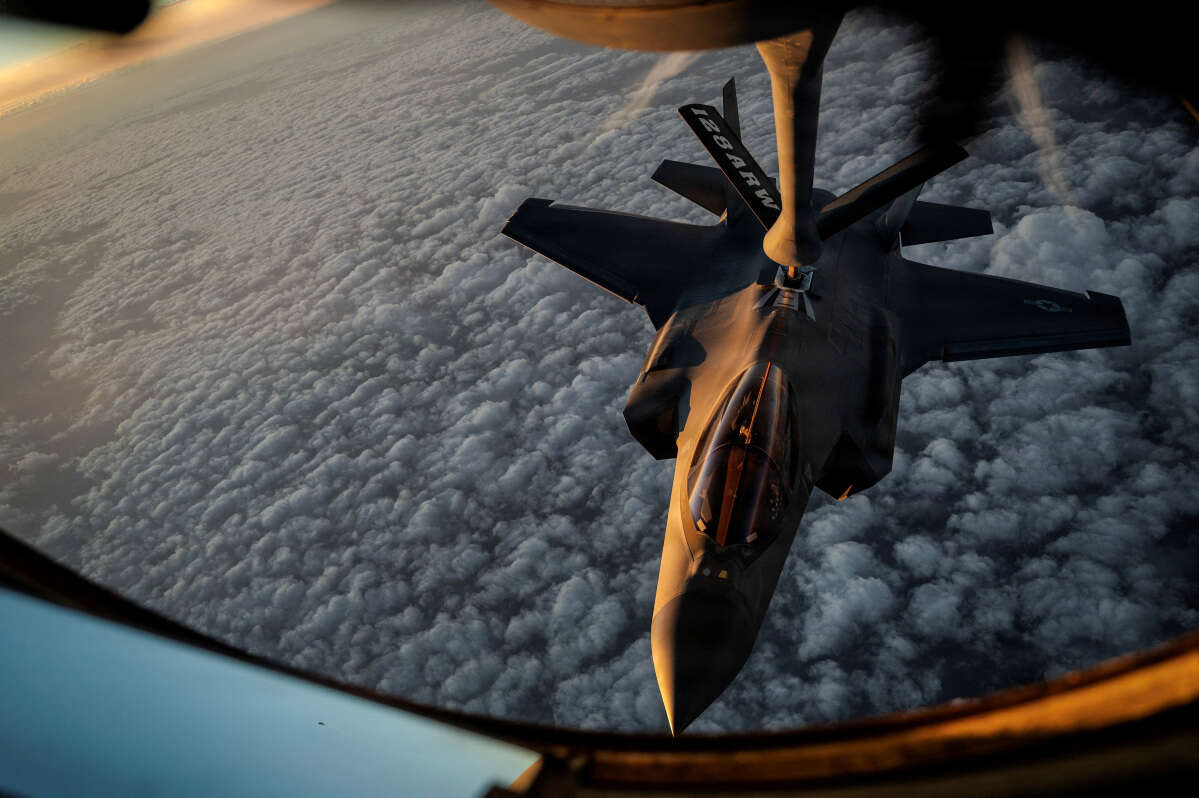
Even if the war ended, most of its objectives had largely been achieved. That statement is even truer today, at least in the immediate sense. In other words, the missile threat has not been eliminated, but it has been significantly reduced. In addition, fears of hundreds of missiles a day, as in the previous round, have given way to sporadic launches. Those launches have still significantly disrupted daily life in Israel and in the Gulf states, and the recognition that it would be impossible to completely prevent missile fire from Iran was probably one of the reasons for reaching an agreement.
Iran is emerging severely weakened, economically and militarily. The damage from the war is estimated at tens, and perhaps even hundreds, of billions of dollars. Its economy is shattered, entire industries have been wiped out, hundreds of senior figures from Supreme Leader Ali Khamenei downward have been eliminated, and yet the regime managed to survive and will immediately begin reconstruction.
If it succeeds in securing a deal that includes the lifting of sanctions, it will entrench itself for generations and continue to be the eternal enemy seeking to destroy Israel. If the sanctions are not lifted, the economic pressure will paralyze it and could lead to its collapse. Iran is presenting the ceasefire as a victory in the war, and quite a few media outlets and politicians in Israel and the US are buying into that performance. Around here, the saying would be: one more victory like that and we are finished.

Israel is working to detach the Lebanon front
The US invested heavily in the fighting. It is set to present its many military achievements and announce negotiations aimed at fully attaining the objectives on the nuclear, missile and terrorism issues. At the same time, Trump's image has also taken a hit, due in no small part to coordinated media positioning against him, chiefly over the Hormuz story, which affected the American economy.
Israel is concerned, despite the messages from the Prime Minister's Office. The latest statement said that the US had promised Israel and the Gulf states that it remains committed to achieving all the war's objectives through the negotiations. Israel will continue its attacks on Hezbollah in Lebanon in order to demonstrate the separation between the fronts, and at the same time will work to include an end to Iranian support for terrorist organizations, chief among them Hezbollah, in the future talks.
The Gulf states are even more concerned. Throughout the night Israel Hayom received worried questions and messages from sources in the Gulf. They, too, had hoped the regime would ultimately fall, and that the war would at least create the conditions for its collapse. The concern now is that a deal could allow Iran historic, unprecedented control over passage through Hormuz, and the lifting of sanctions would open up enormous financial resources that would once again make Iran an existential military threat to them.
The negotiations, which are expected to begin as early as this week under Pakistani mediation, another source of concern in Israel and the Gulf, may provide answers to these questions and worries. The key is in American hands. The question is whether the Americans will be able to cope with Iran's negotiating strategy, which will seek to drag out the process and avoid a return to fighting, and whether they can secure the completion of at least most of the objectives in whose name they went to war.
Another major question is how Trump will act if Iran refuses to accept basic US demands. Washington is not projecting any great eagerness to return to fighting.