The US Senate rejected two attempts to block weapons sales to Israel, but behind the clear outcome a significant shift within the Democratic Party was exposed: most Senate Democrats supported the move, in opposition to the administration and Republicans.
The votes dealt with two major transactions: the sale of Caterpillar bulldozers worth about $295 million, and the sale of 12,000 1,000-pound bombs worth about $151.8 million. Both measures, led by progressive Jewish Sen. Bernie Sanders, were defeated after Republicans voted against them unanimously, along with several Democrats.
Despite the failure, the numbers point to a clear trend: out of the Senate's 47-member Democratic caucus, 40 voted to block the bulldozer sale, and 36 backed halting the bomb sale, a sharp increase compared with similar votes in the past. The figures reflect a significant broadening of internal party criticism of aid policy toward Israel.

Sanders argued that the deals violated US laws governing aid and arms export oversight, stressing that "the United States must use the leverage that it has, tens of billions of dollars in military aid, to demand that Israel end these atrocities."
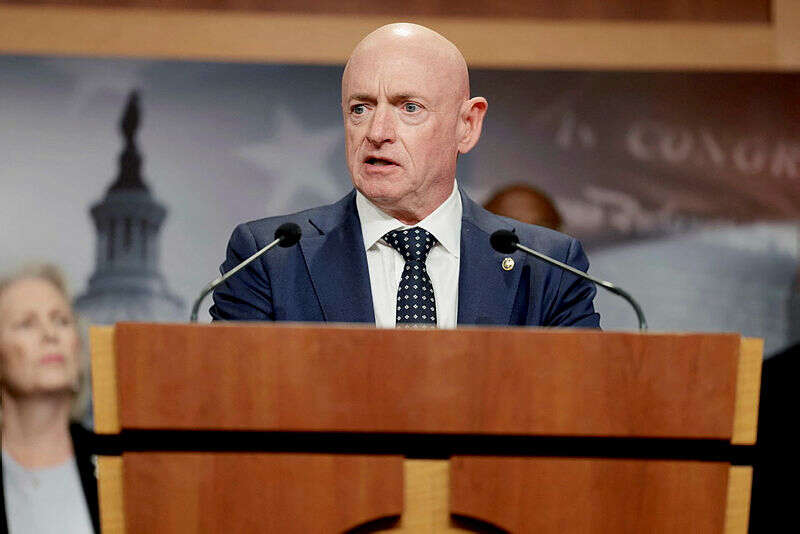
A shift was also evident among more moderate Democrats. Sen. Mark Kelly, who had opposed similar moves in the past, said that "this is not business as usual and it does not make us safer," while emphasizing that he continues to support Israel's right to defend itself.
At the same time, Sens. Adam Schiff and Alex Padilla said their opposition to the deals stemmed from concern that the weapons "could be used in Iran or to advance settlements," which they said "undermines the long-term security of both Israel and the United States," as well as from deepening US involvement in the war with Iran without a clear strategy.
Opponents of the measures, however, warned that blocking the deals would harm a key ally. Senate Foreign Relations Committee Chairman Jim Risch, a Republican, said the move "would signal that the United States is willing to leave Israel vulnerable," and could even strengthen Iran. Democratic Sen. Kirsten Gillibrand said, "I oppose war with Iran, but I do not believe we should leave an ally under attack without support."
In Israel, officials stress that the country's military strikes are aimed at terrorist infrastructure, not civilians, and that the operations are intended to neutralize security threats from Hamas, Hezbollah and Iran.
The vote also reflects the broader context: the war with Iran and the continuing campaign in Lebanon and Gaza are deepening the rift within the Democratic Party, as more and more lawmakers seek to impose conditions on security assistance to Israel.
Even so, the long-standing tradition of bipartisan support for Israel in Congress remains in place for now, and the chances of actually passing measures that would block weapons sales to Israel remain low.