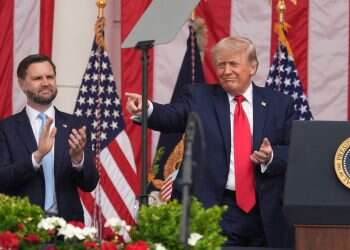
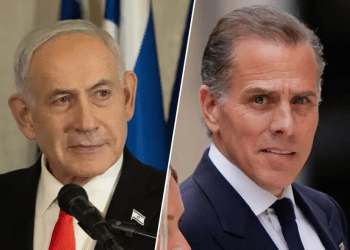
Prime Minister Benjamin Netanyahu is expected to meet with US President Donald Trump next week. Netanyahu is expected to fly to the United States mid-week, against the backdrop of talks between Israel and Lebanon over a ceasefire and coordination between the two countries regarding Iran.
Trump had previously announced that a meeting between Netanyahu and Lebanese President Joseph Aoun was expected to take place in Washington, contingent on progress in lower-level talks currently underway. No breakthrough in those talks has been reported so far. This comes alongside the continuation of what has been described as a "quiet war" with Hezbollah, following IDF strikes in areas that Lebanon has so far been unable – and perhaps unwilling – to prevent.
Since the talks began two weeks ago, Netanyahu himself has referred to the possibility of forging a direct agreement with Lebanon as realistic. His planned trip to Washington next week may signal positive developments in that direction.
At a hearing held on Wednesday in Netanyahu's testimony proceedings, the trip was addressed in court. Netanyahu's attorney, Amit Hadad, announced he would be absent from the Sunday session and updated the court, "We will submit a request to the court to summon two witnesses." Attorney Yehudit Tirosh responded, "There was a report just now that next week Mr. Netanyahu will fly to the United States." Hadad replied that he was looking into it and would update accordingly, "The moment I know, you'll know."
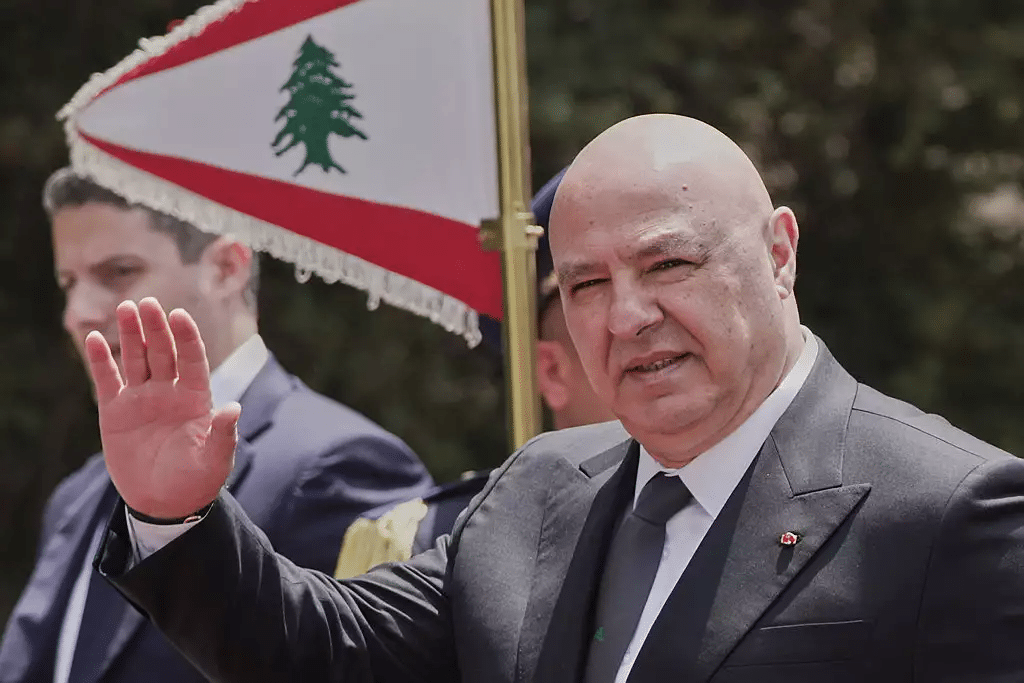
Netanyahu's office denied the reported trip to the United States. A statement issued by the office said, "Prime Minister Netanyahu is not expected to travel to the US next week. He speaks with his friend, President Trump, frequently."
Arrangement, not agreement
Earlier Wednesday, a Lebanese political source told the newspaper Al-Jumhuriya that most factions in Lebanon support returning to the temporary ceasefire agreement with modifications. According to the report, the goal is not to reach a peace agreement of the kind Israel wants – one tailored to Israeli interests – but rather a security arrangement based on resolutions of international bodies.
The source noted significant disagreement within the Lebanese leadership between President Joseph Aoun and Prime Minister Nawaf Salam on one side, and Parliament Speaker Nabih Berri on the other. According to the source, this dispute has so far prevented the unification of their positions, though contacts between them are continuing. This week, it was reported that Saudi Arabia had led a diplomatic effort to bring about a unified stance in Beirut.