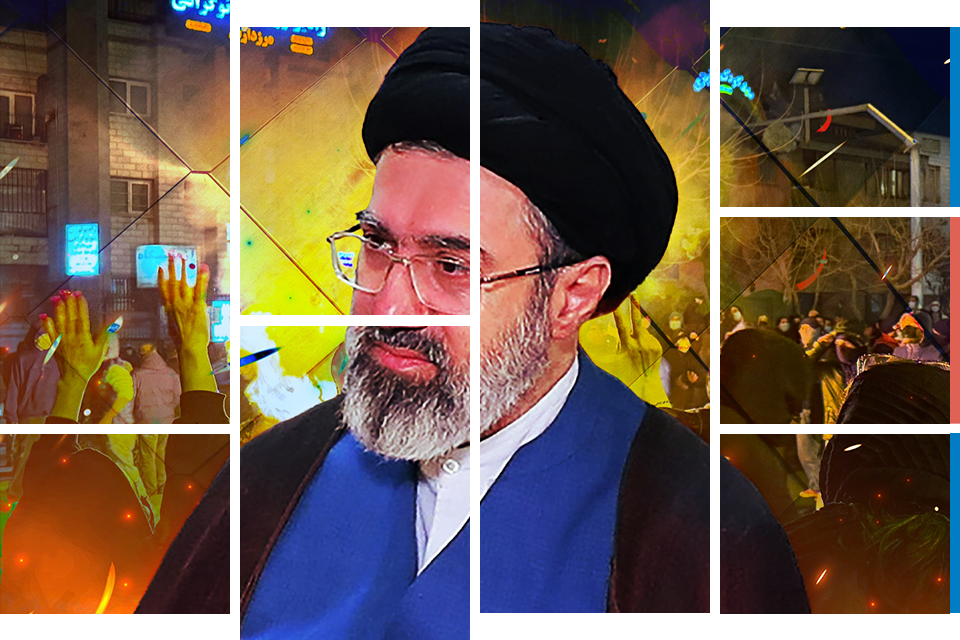
A severe dispute has erupted, and still persists, between the army and the Mossad over the ultimate goal of the war in Iran. The IDF views the removal of uranium from Iranian territory as the ultimate achievement. The Mossad, however, believes the objective is toppling the regime. Even today, contrary to the retrospective cover-your-ass culture prevalent in our region, the Mossad insists on this. While the IDF settled for the amorphous definition of "creating the conditions to topple the regime," the Mossad simply dropped the first four words.
From here, reality splits into two perspectives, sometimes entirely opposed. Senior IDF officials are intensely frustrated by the American decision not to seize the enriched uranium in a military operation. Thus, Operation Roaring Lion was halted with almost no improvement in the struggle against the Iranian nuclear program compared to Operation Rising Lion. Uranium, uranium, uranium, they chant. Take it, and you've erased the nuclear program.
The second approach argues: what good does it do to extract it via an operation or an agreement? If the regime stands, and even if tons of three-percent enriched uranium remain, you've only set them back a few years—a blink of an eye in geopolitical terms. A regime without sanctions will be richer, more despicable, and will want to destroy Israel just as before. Only regime change will uproot the plans for Israel's destruction from the source. This contrasts with senior defense establishment figures who would gladly welcome the liberation of tens of millions of Iranians from the yoke of dictatorship, but for whom the priority remains strictly Israel First.
The practical expression of this lies in a hypothetical question: what happens if President Trump tells Israel, "You have a green light for one operation"? Most of the security establishment would say thank you and send the Air Force to raid the uranium stockpiles. The Mossad, one might guess, would support destroying energy plants and refineries, literally plunging Iran into total darkness. This would drastically accelerate the population to raise up. Their anger threshold has already surpassed the levels recorded during the January riots, but simultaneously, the fear threshold has also spiked. When there is no electricity, and with starvation expected to begin in Iran in two months, that wall of fear will collapse.
Which goal is more ambitious? At first glance, toppling the regime seems like a monumental task, while destroying the uranium appears to be a localized, manageable event. But history suggests otherwise: regimes have fallen throughout history, but no country has ever willingly surrendered or lost its enriched nuclear material while the government survived. As the old Talmudic proverb goes, the dilemma is whether to take a "short path that is long, or a long path that is short"—the arduous task of regime change that permanently removes the threat.
It was an ambitious plan, some would say almost absurdly so. A Kurdish invasion comprising of thousands of fighters crossing from Iraq into Iran, intended to liberate the Kurdish regions, home to eight million people, including tens of thousands of armed men. Together they were supposed to advance eastward, while simultaneously, armed militias of other minority groups would bite into Iranian territory from all directions, pushing all the way to Tehran.
The problem with Mossad operations, unlike military ones, is the lack of precedent to rely on. The pager operation surely also seemed fantastic, in the realm of pure fantasy, before it was executed. The reports indicating an Israeli attempt to drag President Trump into a doomed regional adventure ignore one critical fact: the CIA was also a full partner in the planning.
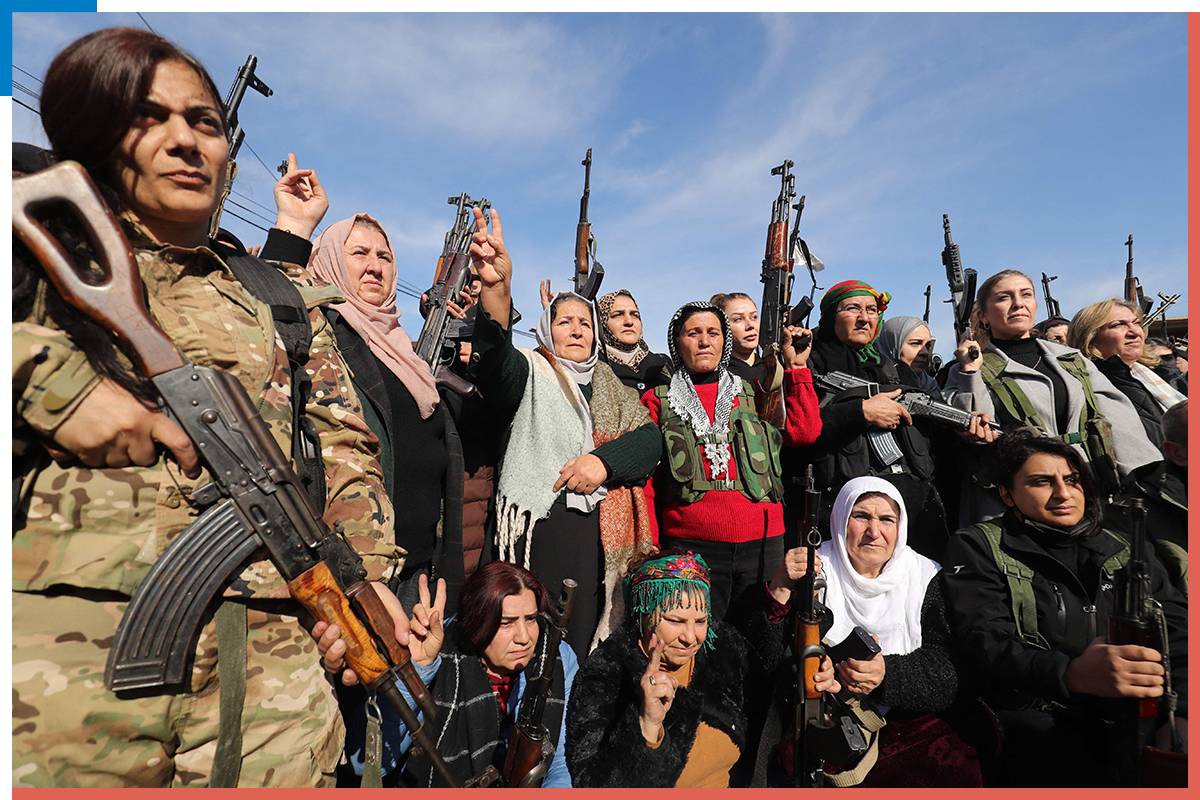
After all, the Kurdish parties are a lot like the Israeli opposition: five parties that do not speak to one another. The idea was to bring them all together on a shared platform, namely, toppling the despised Ayatollah regime. For the move to even be considered, the Kurds had to agree to a sort of "Seven Noahide Laws": an agreement not to murder, not to loot, and above all, not to harm Iran's territorial integrity. The IDF had already begun attacking Revolutionary Guard bases in the border area to clear the ground. One can only guess what weapons were placed at the Kurds' disposal and from which front they arrived. In the Middle East, weapons you buy in the first act are sometimes turned against you in the third.
The plan is too good to be true, and for now, indeed, it isn't. When Fox News reported that the attack was beginning, Turkish President Erdogan called Trump and, in a furious phone call, talked him out of the idea. It didn't help that the party affiliated with the PKK, despised by the Turks, was not a partner in the move. In fact, two phone calls significantly slowed down the plans to topple the regime. The call from Erdogan halted the Kurdish offensive, and the call from the Emir of Qatar, following the strike on an Iranian energy facility, halted the continued destruction of the Revolutionary Guards' economy.
Could the plan still materialize? Has the disruption of these plans soured relations between Washington and Jerusalem? Top officials deny this, claiming coordination is even tighter now than at the start of the campaign. Nevertheless, it seems the Kurds will have to keep warming up on the bench for a while longer.
Meanwhile in Gaza
Hamas is currently dividing into three factions, observes a senior official in the Peace Council: those who want to die as martyrs, those who do not want to die as martyrs, and those who want to buy time without the population rebelling against them. The first faction shrank significantly during the war, because, as we know, most of them indeed got what they asked for. The question of whether the demilitarization of Gaza will succeed depends heavily on the current balance of power.
Hamas has discovered a very different kind of American than the ones they encountered during the hostage release negotiations last year. Last year, they were spoken to as equals, befitting an entity holding dozens of Israelis. Now, the Americans look down on them and issue direct orders.
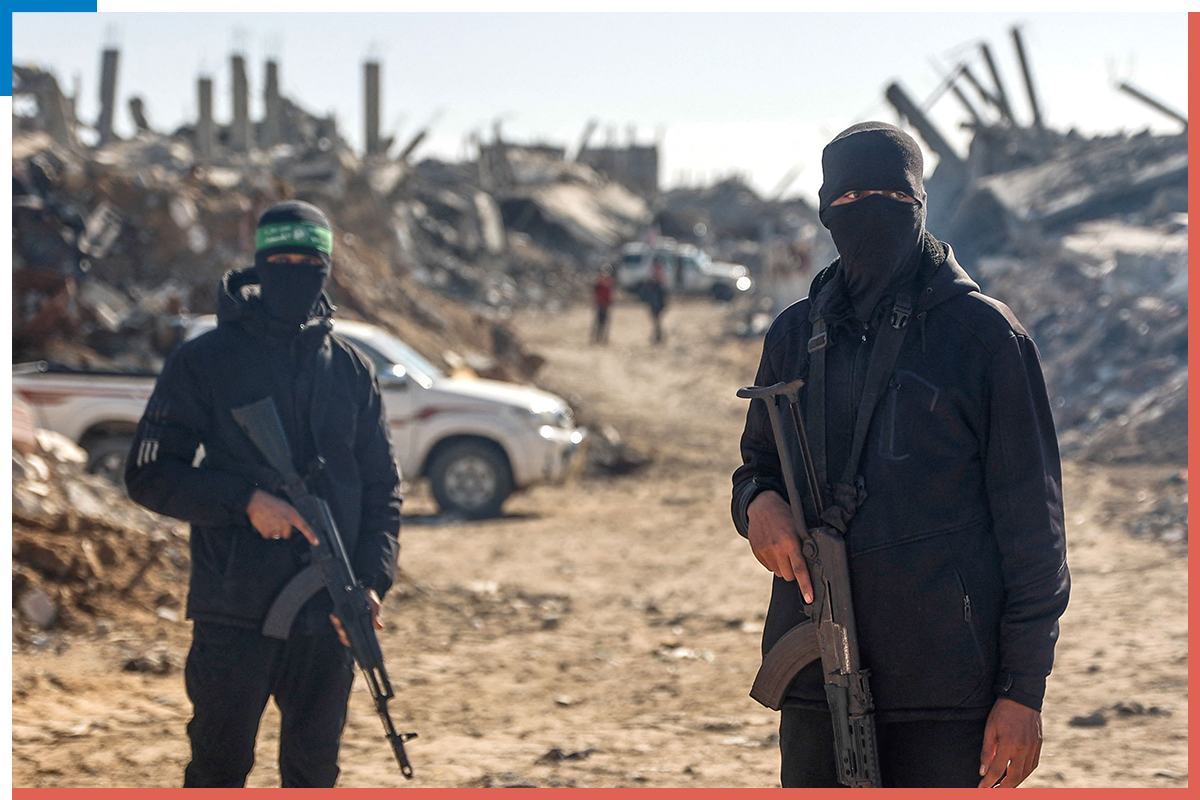
Last year, the whole world courted them, and they enjoyed the mediation services of numerous countries seeking proximity to the center of global attention. Since then, four Arab countries have already announced the severing of ties with Hamas. It is no coincidence that these are four countries that were attacked by Iran. "We are being bombed and you remain silent?" they raged at Hamas.
The most prominent of these is Qatar, which effectively expelled Khalil al-Hayya, a senior Hamas official. The man left Doha and has not been allowed to return since. Senior Hamas officials are now relocating their residences to Turkey, their last remaining supporter in the world. We'll always have Istanbul.
All this is well and good, but what will actually come of it in the Gaza Strip? After all, an atmosphere of gloom prevails in Israel amid claims that Hamas is strengthening its position in the areas it still controls within the Strip. When Hamas wants to cheer itself up, it reads the Hebrew press, and when Israelis want to cheer themselves up, they go on social media to look at accounts from Gaza.
Well, the Peace Council believes that in the coming months (even before October 27, for the attention of reader Netanyahu), some areas of Gaza will be cleared of weapons and tunnels and formally handed over to the new entity. Israel will be required to withdraw only after the entire cleanup is complete, certainly not at its start. The pressure is heavy, backs are against the wall, international isolation is worsening, all that remains is for Hamas to be convinced as well.