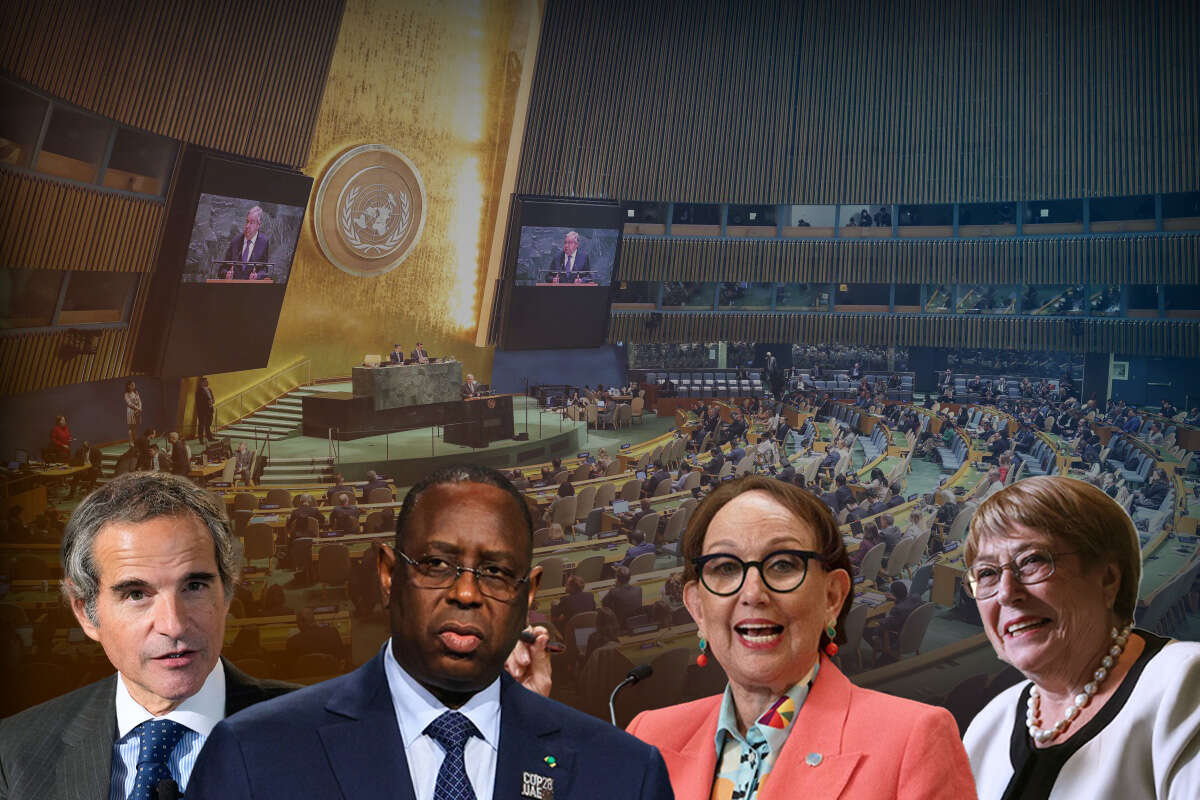
The race to choose the next UN secretary-general passed its first public stage in April, but the real decision still lies ahead. So far, four candidates have presented themselves to member states: three from Latin America and one from Africa.
The candidates are International Atomic Energy Agency Director General Rafael Grossi of Argentina; economist and senior UN official Rebeca Grynspan of Costa Rica; former Chilean President Michelle Bachelet; and former Senegalese President Macky Sall, who brings an African angle to the race.
Wanted: A secretary-general to rebuild a worn-down international organization
The race for the next secretary-general raises a major question: Who can rehabilitate the UN after years of eroding trust, criticism over inefficiency, growing politicization and a budget crisis?
For Israel, the question is even more acute: Will the next secretary-general continue the line perceived in Jerusalem as a sharp anti-Israel bias within the UN system, which has also characterized the tenure of current Secretary-General António Guterres, or will he or she try to balance criticism of Israel with demands for accountability from UN agencies, the Palestinians and countries in the region?
The formal process will move forward in the coming months. At the end of July, the Security Council is expected to begin confidential straw polls among council members, after which it will recommend one candidate to the General Assembly.
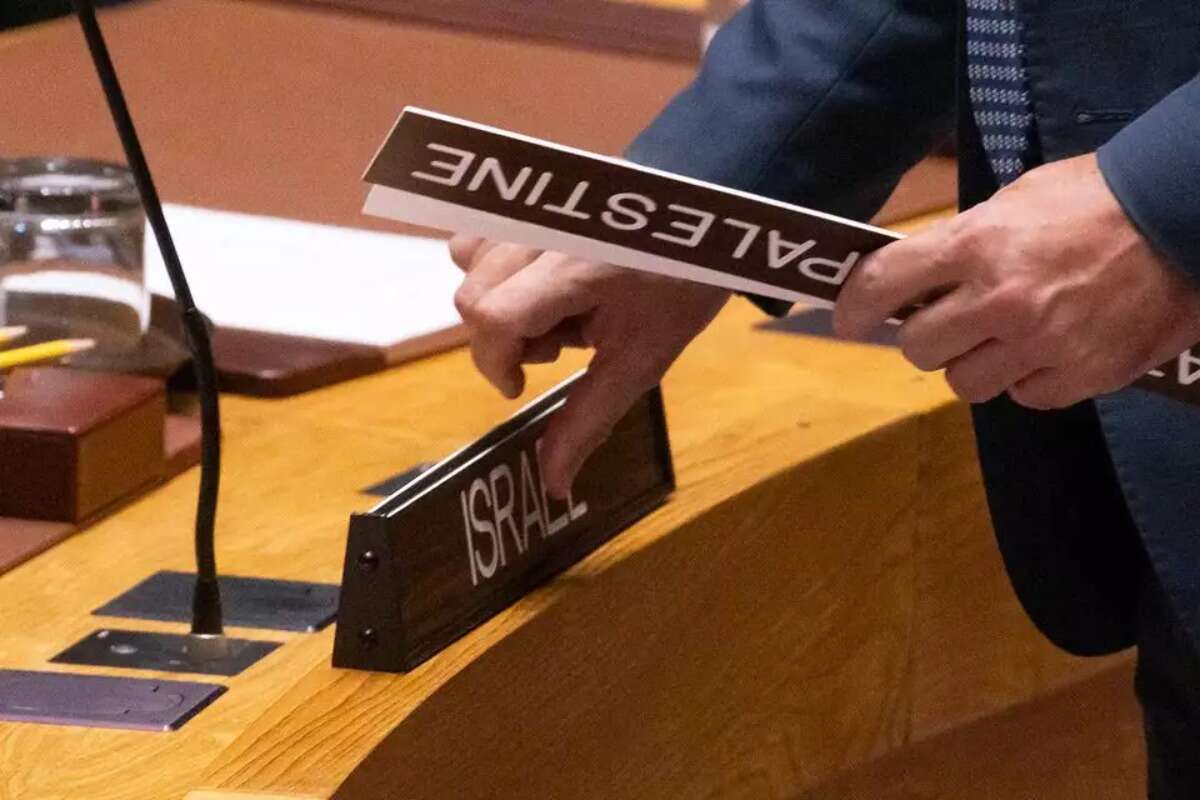
The five permanent members, the US, Russia, China, France and Britain, effectively hold the key: Each can block a candidate with a veto. The final recommendation is expected between October and December, and the new secretary-general is due to begin a five-year term on Jan. 1, 2027.
The security-minded candidate: Rafael Grossi
Rafael Grossi is the candidate with the clearest security emphasis. As head of the IAEA, he has been at the heart of some of the world's most sensitive crises in recent years, including Iran's nuclear program and the war in Ukraine. He presents himself as a practical candidate, one who wants a UN that talks less and does more.
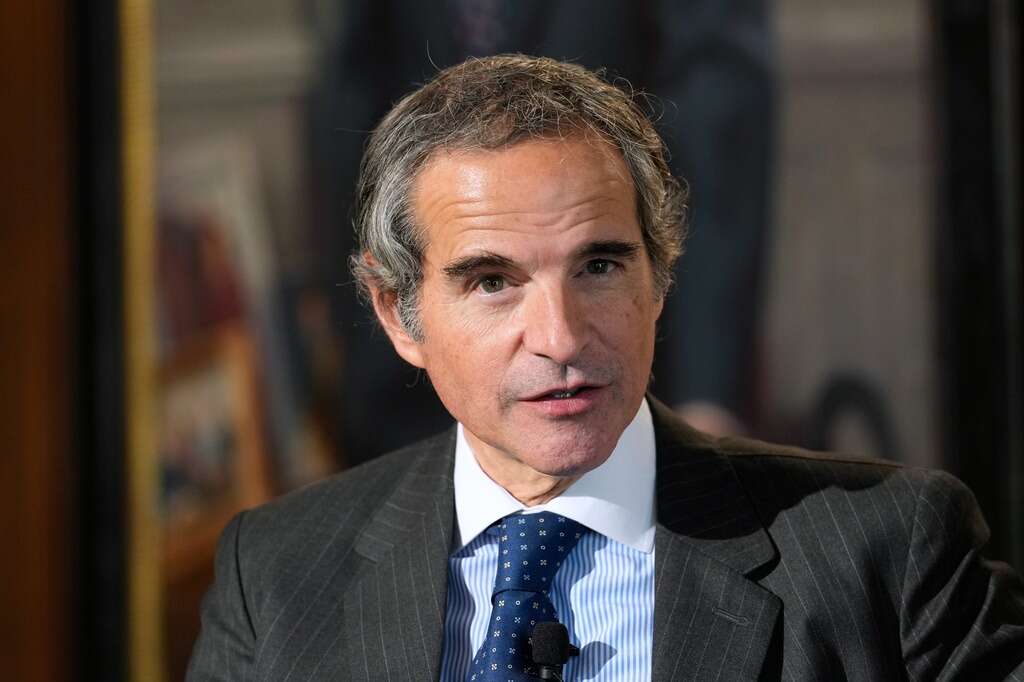
His message is simple: The world is full of wars and tensions, and the UN cannot be satisfied with statements of condemnation and long debates. It must return to being a body that mediates, speaks to all sides and tries to prevent deterioration.
From Israel's perspective, Grossi is likely the most attractive candidate. He is well known because of his work on the Iranian nuclear issue and is considered a candidate relatively comfortable for the Americans. However, that closeness to Washington could make things harder for him with other countries. When asked by Egypt, on behalf of the Arab Group, about the Palestinian issue and UNRWA, he replied that he was not surprised by the question, because "Palestine" had been one of the central issues at the UN since its establishment. He said he would work with Arab states and with Israel to improve the situation, and added regarding UN agencies that it was important for them to operate, but also to ensure that they "do not harm the situation but help it."
The Jewish angle: Rebeca Grynspan
Rebeca Grynspan, a Jewish candidate, presents herself as a candidate of restoring trust and reform from within. She knows the UN system well, heads a body dealing with trade and development, and previously held other senior positions in the organization. Unlike Grossi, she suspended her role for the purpose of running, and emphasized that point during the discussion.
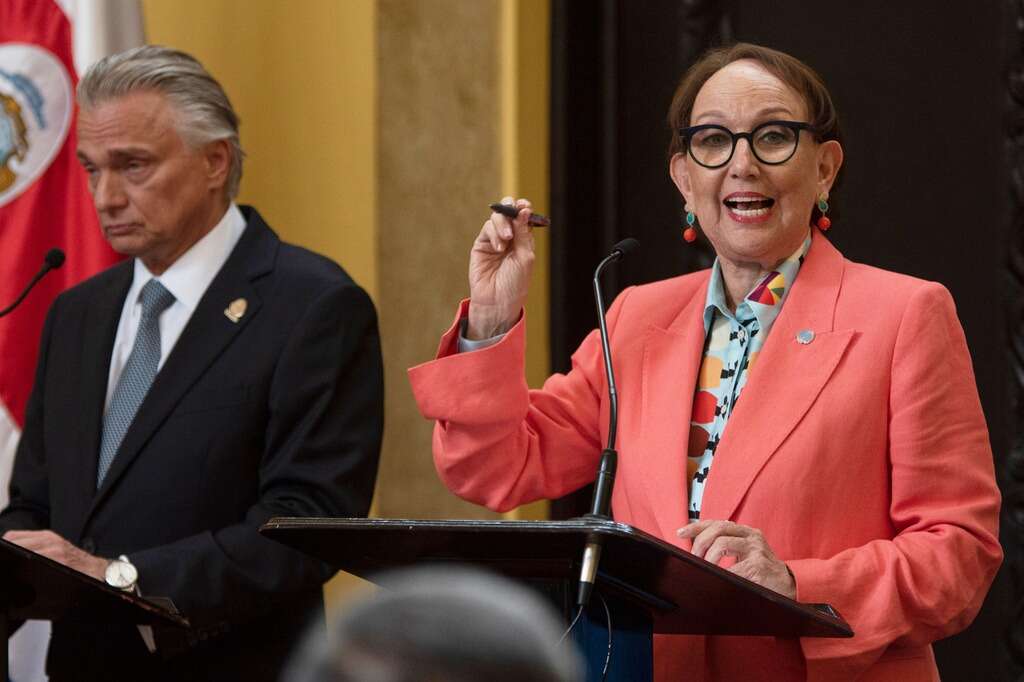
She opened her remarks by saying she was "a product of peace," and said her parents immigrated to Costa Rica following World War II, though she did not explicitly use the term "Holocaust."
Her message is that the UN must become relevant again: fewer duplications, less bureaucracy, more results on the ground, and greater ability to deal with crises before they erupt.
In the Israeli context, she pledged to support implementation of the Security Council resolution establishing the Peace Board and the stabilization force in Gaza, as well as to work to preserve the ceasefire and allow UN humanitarian agencies access to the Strip.
She added that the politicization of humanitarian aid must be pushed back, and that it must not be "used as a weapon." From Israel's perspective, despite the candidate's identity, this is the traditional position of the UN system: a strong emphasis on humanitarian aid, Gaza and international resolutions, and less direct criticism of failures within the agencies themselves.
Without her country's support: Michelle Bachelet
Michelle Bachelet brings significant public experience: president of Chile for two terms, health minister, defense minister, founding executive director of UN Women and UN high commissioner for human rights. She speaks of a UN that needs to regain trust through human rights, transparency, the fight against poverty and inequality, and quiet diplomacy that seeks to prevent wars before they break out.
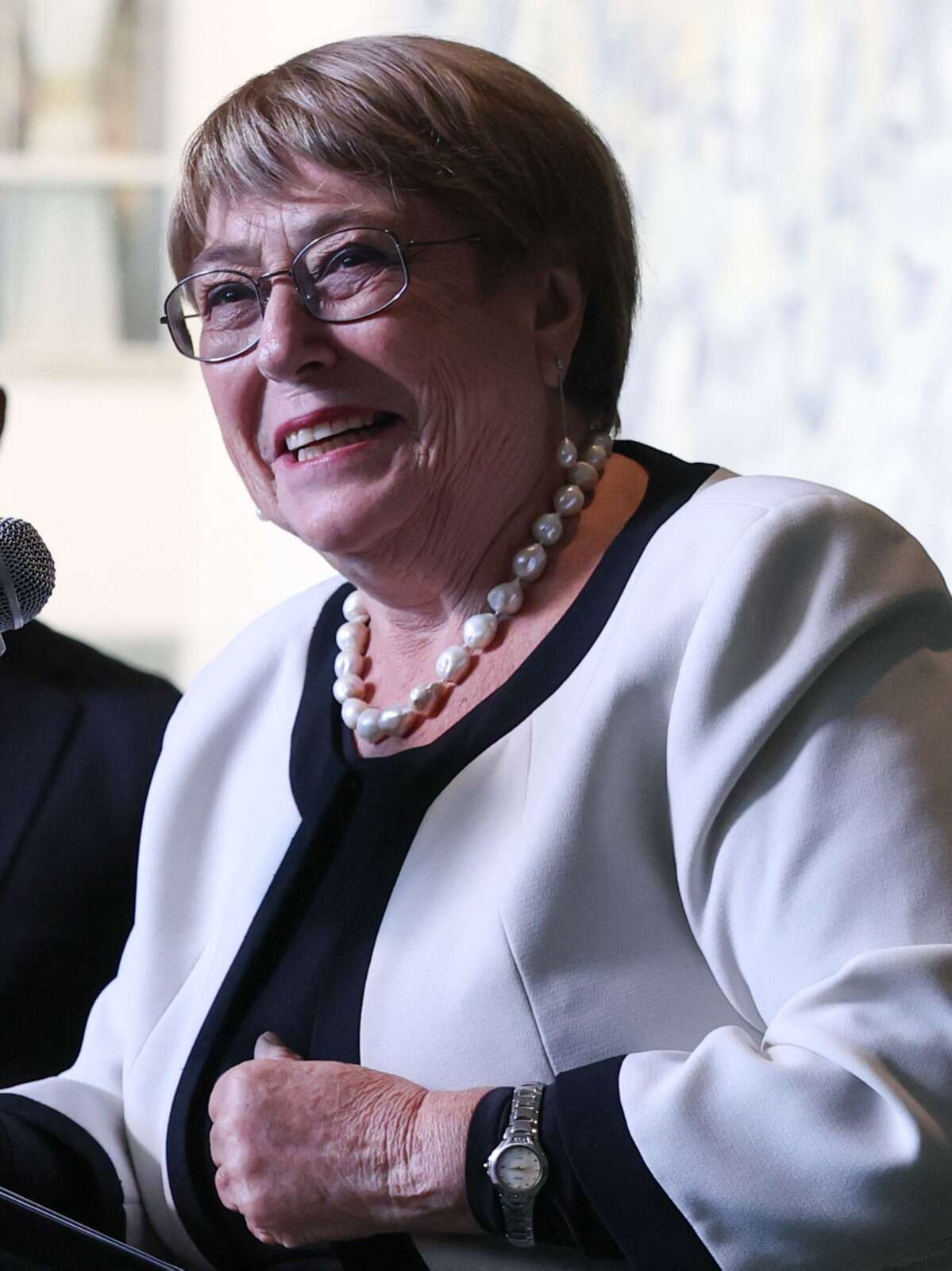
However, her candidacy suffers from a political weakness: Despite being a former president, she does not enjoy the support of her own country and relies on the support of Brazil and Mexico. On Israel as well, her position appears less comfortable for Jerusalem.
In her answer on UNRWA and the Palestinians, she stressed that the secretary-general must work to implement UN resolutions, uphold international law and allow humanitarian access in conflict zones. She said agencies such as UNRWA, which provide significant assistance, need resources, political support and the ability to carry out their role. Unlike Grossi, she barely emphasized the need for self-criticism by those agencies.
The African voice: Macky Sall
Macky Sall brings an African voice and the experience of a national leader to the race. He served as president of Senegal for 12 years, chaired the African Union and held regional leadership positions. He speaks of a more effective, more economical UN adapted to a new era of technology and artificial intelligence. His message is that the organization must reduce duplication, make better use of resources, and ensure it delivers results, not just documents.
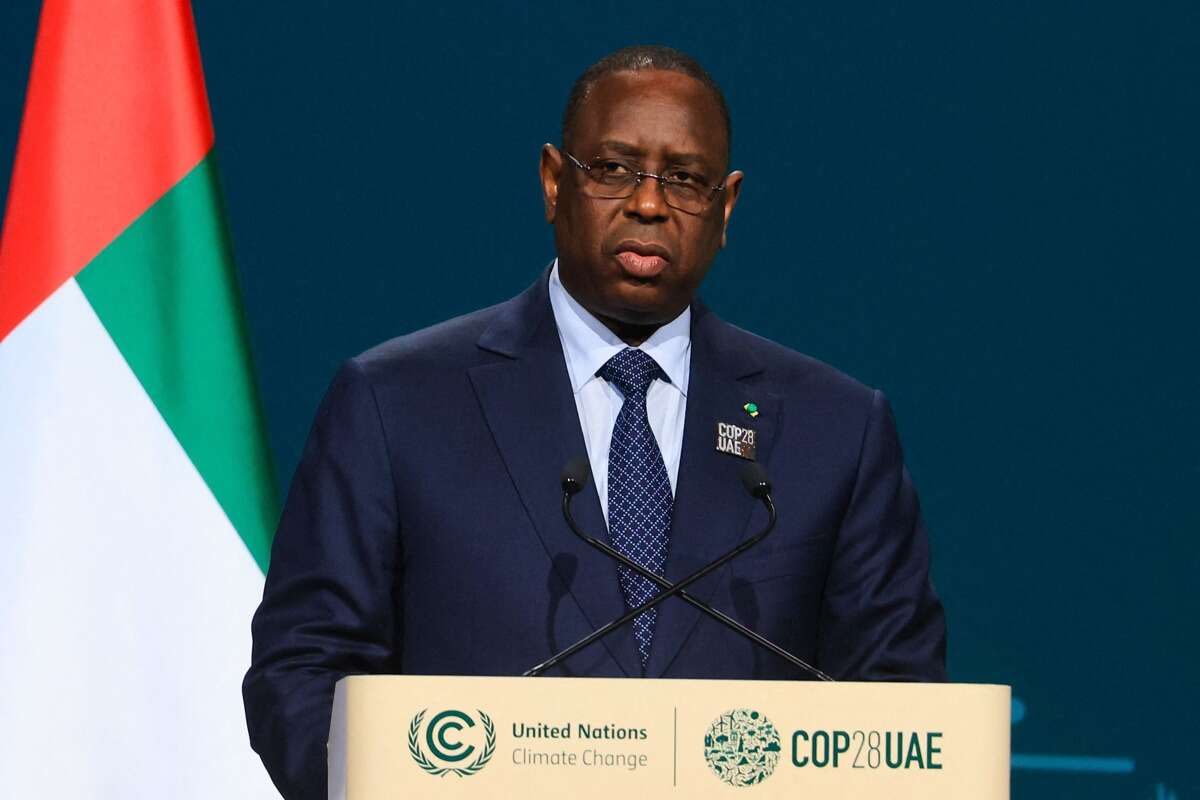
But Sall is also politically weak: He was put forward by Burundi alone and did not receive the backing of the African Union.
On Israel and the Palestinians, he spoke in relatively general terms. He called the conflict an "ongoing global threat" and a "human tragedy," mentioned the ceasefire agreement between Israel and Hamas and the Security Council resolution establishing the Peace Board and the stabilization force in Gaza, and said efforts must continue because violence would not bring peace and security to either side.
The race may not yet be closed. If none of the four candidates secures at least nine votes in the Security Council without a veto from one of the five permanent members, the next secretary-general could instead be a new candidate who enters the race later, as has happened in the past. At the UN, as at the UN, even a process that looks transparent ends in closed rooms.