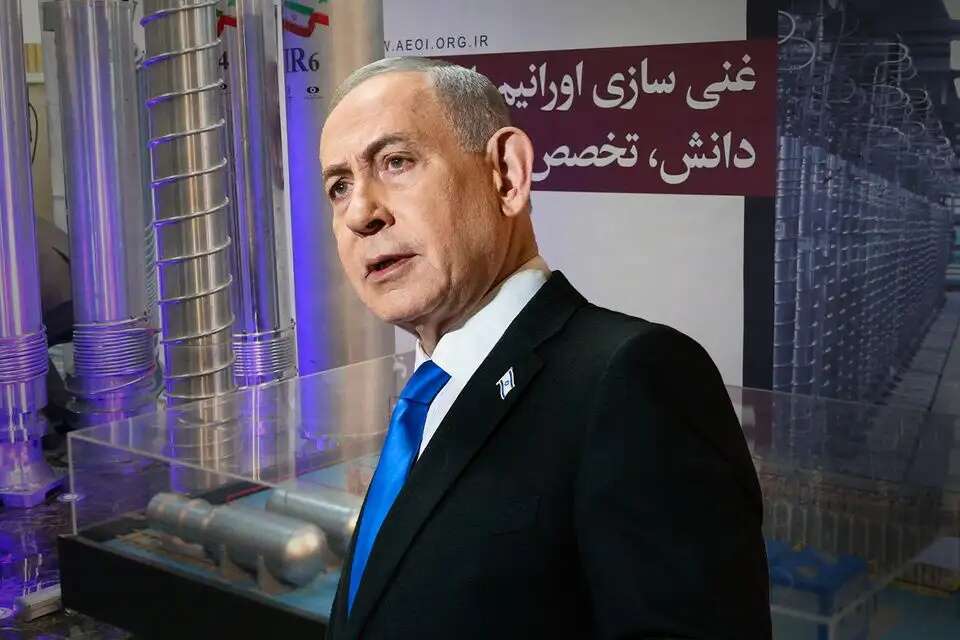
Benjamin Netanyahu published a series of books on the war on terrorism. The first of them was written as far back as 1987, when he was Israel's ambassador to the UN, under the title "How the West Can Win." The determined ideas and interviews Netanyahu marketed gave him the status of a global guru on security and counterterrorism.
In the books that followed, whether he wrote them or they were written for him, Netanyahu repeatedly stressed the absolute prohibition on surrendering to terrorism and terrorist states. "The starting point for the struggle against terrorism is the total refusal to surrender to its demands, alongside a courageous decision to fight it to the bitter end," Netanyahu wrote.
Among other things, he explained with great wisdom why imprisoned terrorists must not be released. "One of the most important policies that must be adopted in the face of terrorism is the refusal to release convicted terrorists from prisons. This is a mistake that Israel, once the leading country in counterterrorism policy, has repeated time and again," Benjamin Netanyahu said.
And yet, from then until today, Netanyahu has become the Israeli leader who released the largest number of imprisoned terrorists, surrendering time and again to terrorism, terrorist organizations and terrorist states. Among other things, he is the man who surrendered to Hamas and released Yahya Sinwar and another 1,026 of the most dangerous terrorists in exchange for one Israeli soldier, Gilad Shalit. He is also the man who released thousands of terrorists in order to bring back the living and the dead who were abducted amid his own security and strategic failure, and that of the security establishment under him, on Oct. 7.
After all, he is the man who led the policy of bribing terrorism known as the cash-suitcase method, which recently found a new expression in the form of 600 "humanitarian aid" trucks a day.
There is something deceptive about Benjamin Netanyahu. Yair Lapid, for example, did not contradict his image when he surrendered unconditionally to Hezbollah in the final days of his short term as prime minister and handed Lebanon our economic waters. Netanyahu, by contrast, managed to preserve an image that was the opposite of his actions. Lofty talk of toughness helped him blur, for a large base of supporters, the fact that in practice he led a policy identical to that of his political opponents on the Left.
Together with IDF chiefs of staff such as Benny Gantz, Gadi Eisenkot, Aviv Kochavi and Herzi Halevi, he allowed Hamas and Hezbollah to build up their strength ahead of 2023. Together, they prevented the Israel Defense Forces from responding to those who openly trained and brazenly damaged cameras on the fence around the Gaza border communities before Shemini Atzeret. He is the prime minister who fell silent in the face of the tent Hezbollah erected on the border at Mount Dov. Yet throughout, he continued to speak in grand terms about determination and aggression toward Hamas and Hezbollah. So much so that his many devotees suppress and forget, to this day, his systematic, yearslong weakness.
Over the past two and a half years, Netanyahu has carried out a series of opposite and extremely daring moves, from the elimination of Hassan Nasrallah and the Hezbollah leadership to the breathtaking blows dealt to the Iranian regime. He also entered Khan Younis and Rafah despite the recommendations of former officials from the Left and despite pressure from the Biden administration.
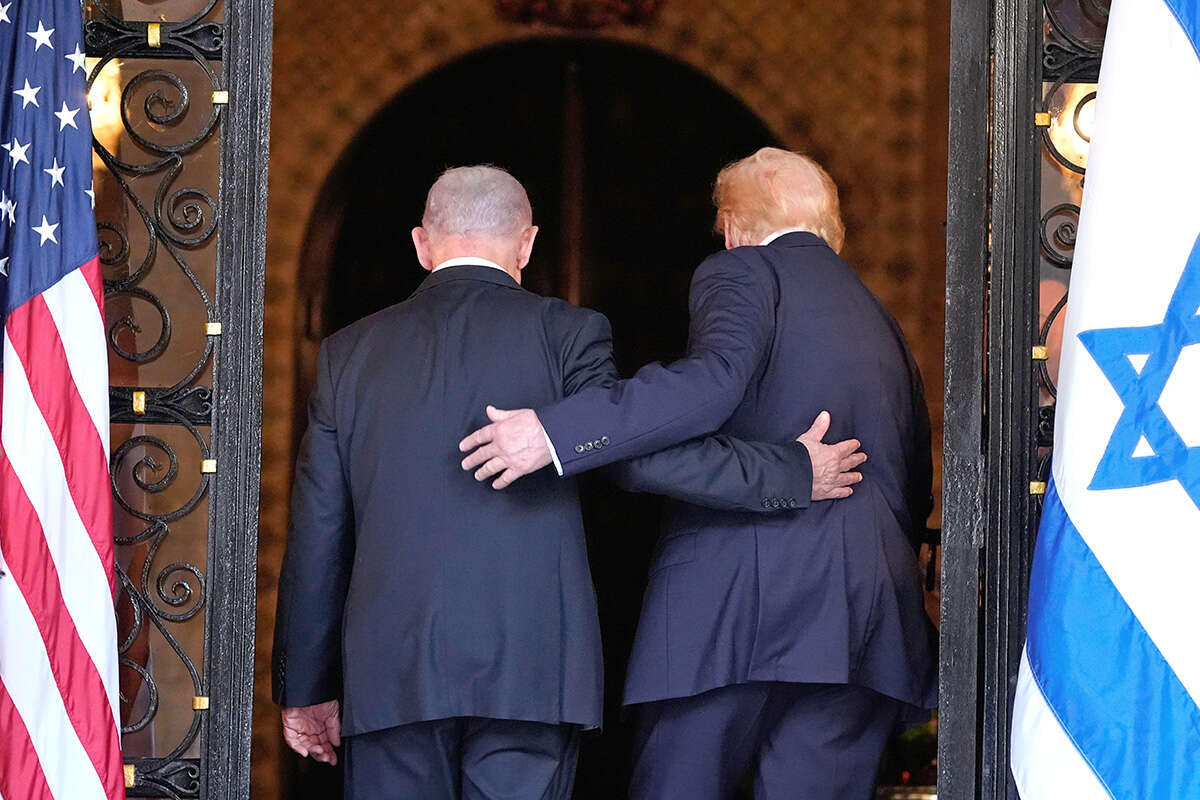
These moves, for a change, align with the worldview he has preached for decades, but they do not necessarily attest to real courage and leadership. Because given the structure of his coalition, current Israeli public opinion, and the support of a friendly and cooperative US administration, this is less impressive. The fact is that he does not dare confront any of the destructive plans of his friend Donald Trump, neither in Gaza nor in Lebanon.
The litmus test for Netanyahu's continued weakness is expressed in its purest form in the fact that he has preserved the very existence of the terrorist Palestinian Authority since he first entered office 30 years ago. As opposition leader, he vehemently opposed the Oslo Accords, promised that he would not meet Yasser Arafat and would cancel the agreements, but has since acted in the opposite way.
He surrendered to Arafat's terrorism as early as September 1996, when, following the Western Wall Tunnel riots, he hurried to Washington to meet and shake hands with the Palestinian arch-terrorist. Afterward, he gave him Hebron and the Wye agreements, and from then until today has allowed the Palestinian Authority's incitement, terrorism financing and subversion to continue.
The bottom line is that Netanyahu brilliantly markets the correct worldview, but in practice, for the most part, implements the destructive ideas of his political rivals on the Left.