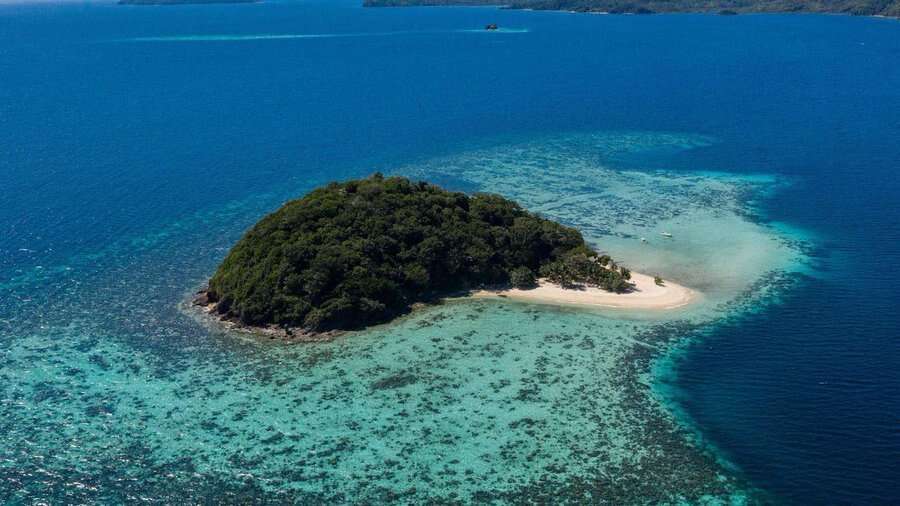
If it seemed as though the worlds of tourism and technology had already seen everything, one of the year's strangest stories has now arrived: British AI entrepreneur Dan Thomson claims he has founded a new state on a tropical island in the Philippines, one that will be run almost entirely by artificial intelligence.
The island, located in the Palawan region of the Philippines and named Sensay Island, has been declared by Thomson a private "microstate," with a government based on AI bots modeled on historical leaders and figures. Its "cabinet members" include Winston Churchill, Nelson Mandela, Marcus Aurelius, Eleanor Roosevelt, Gandhi, Leonardo da Vinci and even Sun Tzu.
According to Thomson, more than 12,000 people have already signed up to become "digital residents" of the new state, even though it has no official recognition anywhere in the world.
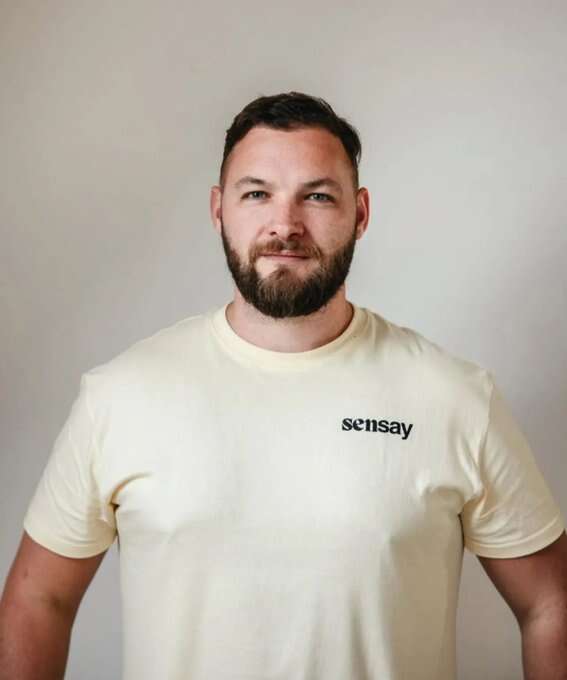
His vision sounds almost like an episode of "Black Mirror": Residents will be able to propose ideas and laws, the AI council will discuss them, debate them and vote on them, and humans will then have to carry out the decisions in practice.
"No politicians, no lobbyists and no personal interests," Thomson said in an interview with CNN. According to him, the idea is to test whether artificial intelligence can make decisions that are "more objective" than those made by human governments.
But Thomson himself also acknowledged that some scenarios could become complicated. Asked what could go wrong, he replied, half-jokingly, "If the AI starts amassing weapons and attacking neighboring islands, that would be a problem."
For now, he said, only one person lives on the island, a local guard named Mike. In the future, however, the site is planned to include luxury villas, tourist accommodations and possibly permanent housing for a small number of people.
The island is located near the Coron area in the Philippines, a well-known destination for diving enthusiasts, beachgoers and lovers of tropical islands. Thomson hopes the site will eventually become an unusual tourist attraction for travelers looking to "experience the future."
Not everyone is impressed by the vision. AI experts warn that the idea of an "AI-based government" is far from truly safe or democratic. Professor Alondra Nelson of the University of Oxford called the idea "a ridiculous claim," noting that AI has already led to quite a few scandals, mistakes and extreme behaviors in recent years.
Still, the idea appears to be intriguing many people, especially those who are tired of traditional politics and existing governments. Some of those who registered, according to the project's managers, said they were looking for "a cleaner alternative to human rule."
Thomson himself does not rule out the possibility that controversial figures could one day join the virtual government. "If one day people choose Stalin, Mussolini or Genghis Khan, that will be part of the experiment," he said.