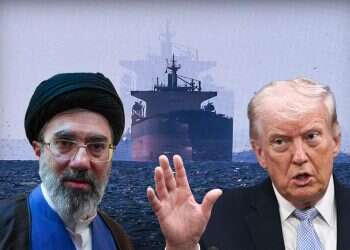
Against the backdrop of a possible resumption of negotiations between Iran and the US, the Islamic Revolutionary Guard Corps threatened Tuesday to expand the fighting beyond the Persian Gulf.
"If aggression against Iran is repeated, the war will spread beyond the borders of the region," the IRGC said. It added, "The American-Israeli enemy is once again talking in threats. We are men of war. You will see our strength on the battlefield, not in empty statements and virtual accounts."

Iranian Vice President for Executive Affairs Mohammad Jafar Ghaempanah, who is considered a moderate figure, addressed negotiations with the US on Tuesday, saying, "We are ready to negotiate, but we will not surrender. In the face of any aggression, our armed forces will stand until the final point and until the last drop of blood."
"You must know that you are facing every Iranian," he added. "We support negotiations and dialogue within the framework of national interests."
As Iran continues to issue threats, the United Arab Emirates is publicly voicing anger over Tehran's conduct. Anwar Gargash, diplomatic adviser to the UAE president, accused the Islamic Republic's proxies in Iraq in a post on X of responsibility for the recent attack on the Barakah Nuclear Energy Plant.
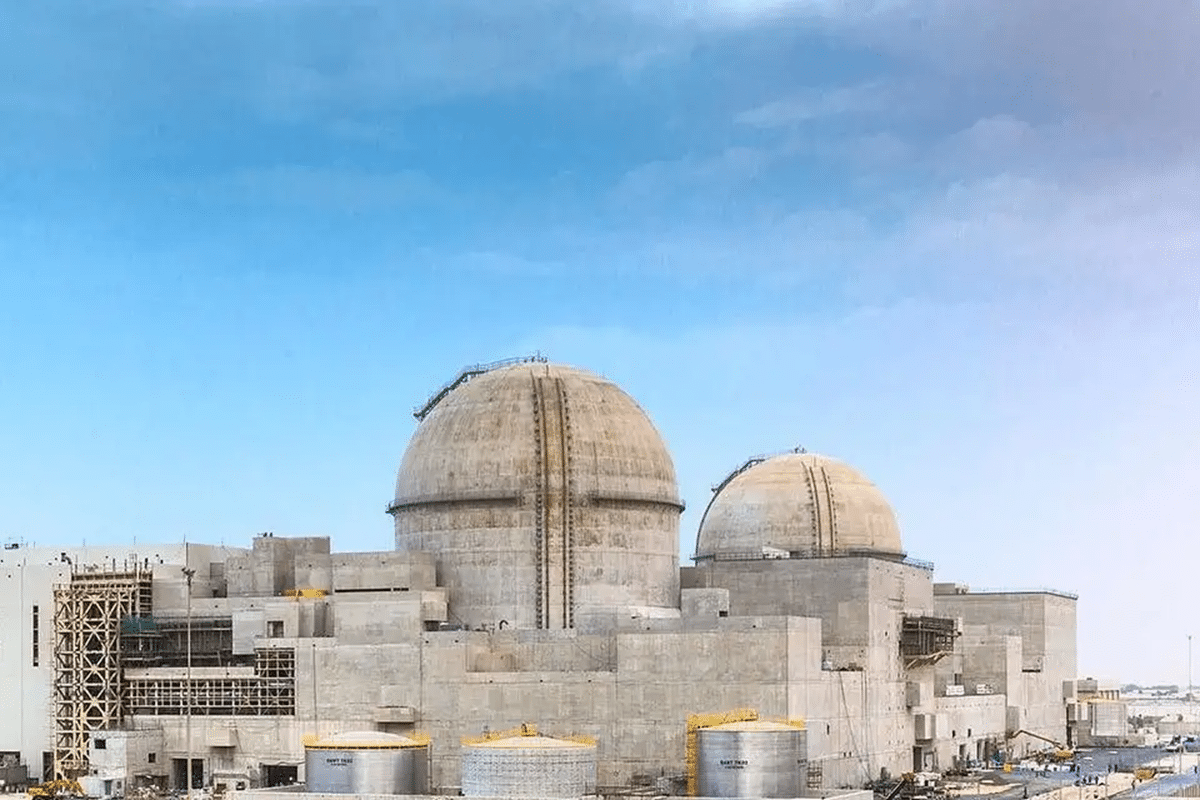
He wrote that the attack was "a very dangerous indication of the extent of the threat facing the region, a threat stemming on the one hand from the absence of a nation-state and on the other from blatant violations of international law."
Gargash added, "Just as the hijacking and disruption of the Strait of Hormuz pose a threat to the global economy and the international order, so too is an attack on Barakah a criminal act and a direct violation of international law."
"From Hormuz to Barakah, this threat is no longer limited to the Persian Gulf, but is aimed at the entire international system and reflects a mentality of chaos and extortion, a mentality that does not value the security of nations, international law or the stability of the global economy, and seeks only survival and the imposition of an aggressive logic," he said.