
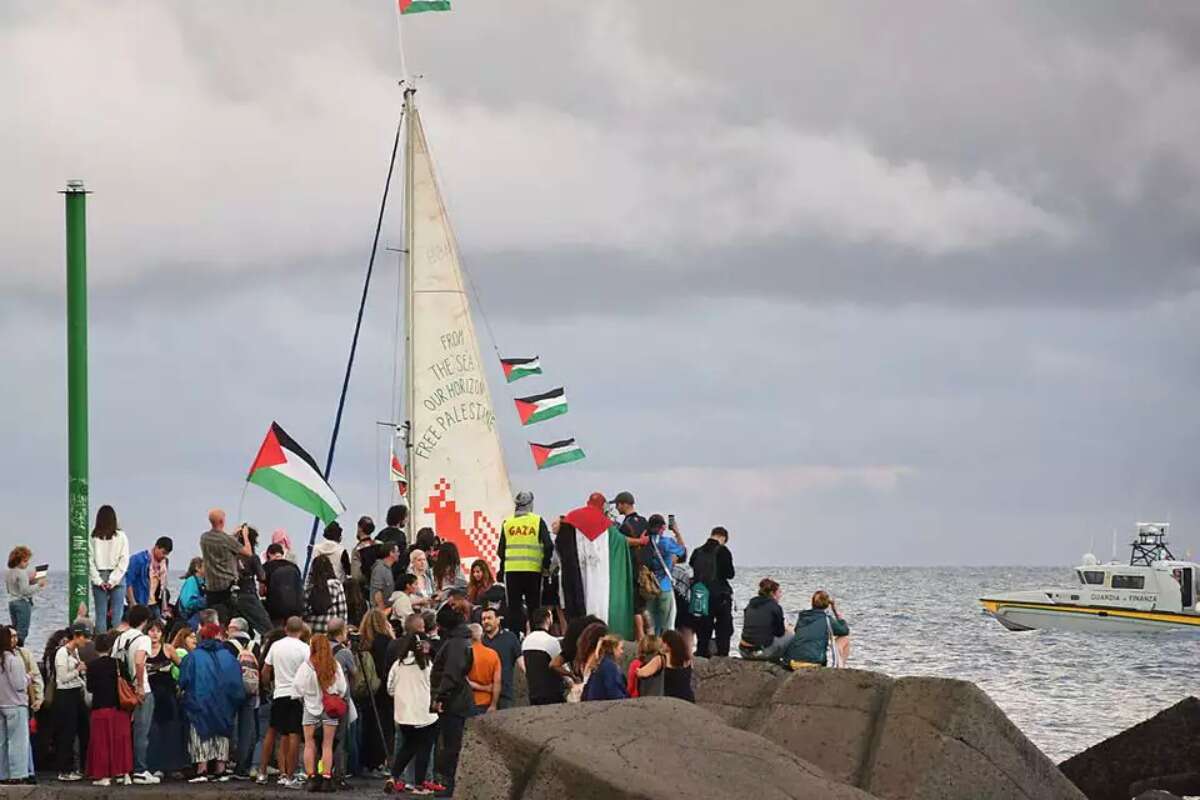
More than 24 hours after the publication of National Security Minister Itamar Ben Gvir's video, which has already amassed more than 17 million views, the issue refuses to fade from the headlines in Italy. The country's leading media outlets, from La Repubblica to Corriere della Sera and La Stampa, are featuring on their homepages testimony from flotilla passengers returning home, who are leveling harsh allegations over the treatment they received in Israel.
While some of these claims are not particularly credible, Israel is now left helpless in the face of a wave of vilification. Citizens of Europe and the world have been exposed to the "performance" by the minister responsible for law enforcement in Jerusalem, and are now ready to believe any accusation. This performance may win Ben Gvir votes at the ballot box, but it serves precisely the original goal of the flotilla participants.

The activists set out knowing full well that Israel would stop the ships, and stocked up on very little food and medicine because their real goal was provocation. Some are declared antisemites and Hamas supporters who hoped their arrest would make waves in their countries and pressure governments. While Israel has previously managed to contain similar flotillas through quiet diplomatic work, this time Ben Gvir's provocation handed them what they wanted on a silver platter.
Cracks in the diplomatic wall
More than 20 countries have already condemned Israel and summoned its ambassadors for reprimands, with criticism also being heard from the country's supporters in the United States. Alongside countries such as Spain, Belgium and the Netherlands, which routinely tend to attack Israel, Germany and Italy have now joined the condemnations. They are the main countries defending Israel inside the European Union. These governments feel they cannot remain silent in the face of images showing harm to their citizens.
The situation is especially complex in Italy, which is entering an election year in which Prime Minister Giorgia Meloni is at her weakest point and is being challenged by left-wing parties. The waves caused by the current incident could knock down an important brick in Israel's diplomatic wall, which has barely held firm over the past three years. The collapse of that wall could lead to a flood that would severely damage Israel's standing and economy.
Italy has a special status in the European Union, and its opposition to anti-Israel measures is considered dramatic. Some sanctions in the EU do not require unanimity, but rather a qualified majority of 15 countries representing at least two-thirds of the bloc's population. During the war, many attempts have been made to form such a majority in order to suspend parts of the Association Agreement, which regulates trade and academic cooperation between Israel and the EU.
Smart management by the Foreign Ministry under Gideon Sa'ar has so far kept Italy and Germany on Israel's side, even though Italian public opinion tends to be against Israel. The ministry's professionals understand very well that if Italy withdraws its support, the qualified majority required to suspend the agreement will take shape, and Germany alone will struggle to stop the move. Now, Meloni's grip on power is beginning to crack following a defeat in a referendum on constitutional changes and mounting pressure from the Left.
Fear of sanctions
Pressure on the Italian government has also increased recently following injuries to Italian soldiers serving with UNIFIL and incidents that harmed Christian figures and symbols. After Ben Gvir's "showboating tour" at Ashdod Port, the Italian Left demanded that relations be severed, and Foreign Minister Antonio Tajani said that "a red line had been crossed." Rome has already announced that it will consider banning Ben Gvir from entering the country, but the real concern is that Italy will support suspending the Association Agreement.
Suspending the economic agreement could cost the Israeli economy billions of euros and lead to the collapse of businesses in the agricultural sector due to higher customs tariffs. In addition, suspension from research and science projects would severely harm Israeli researchers and the country's ability to enter advanced markets. Politicians in Europe, like their counterparts in Israel, are acting out of election-year interests and may succumb to public pressure.
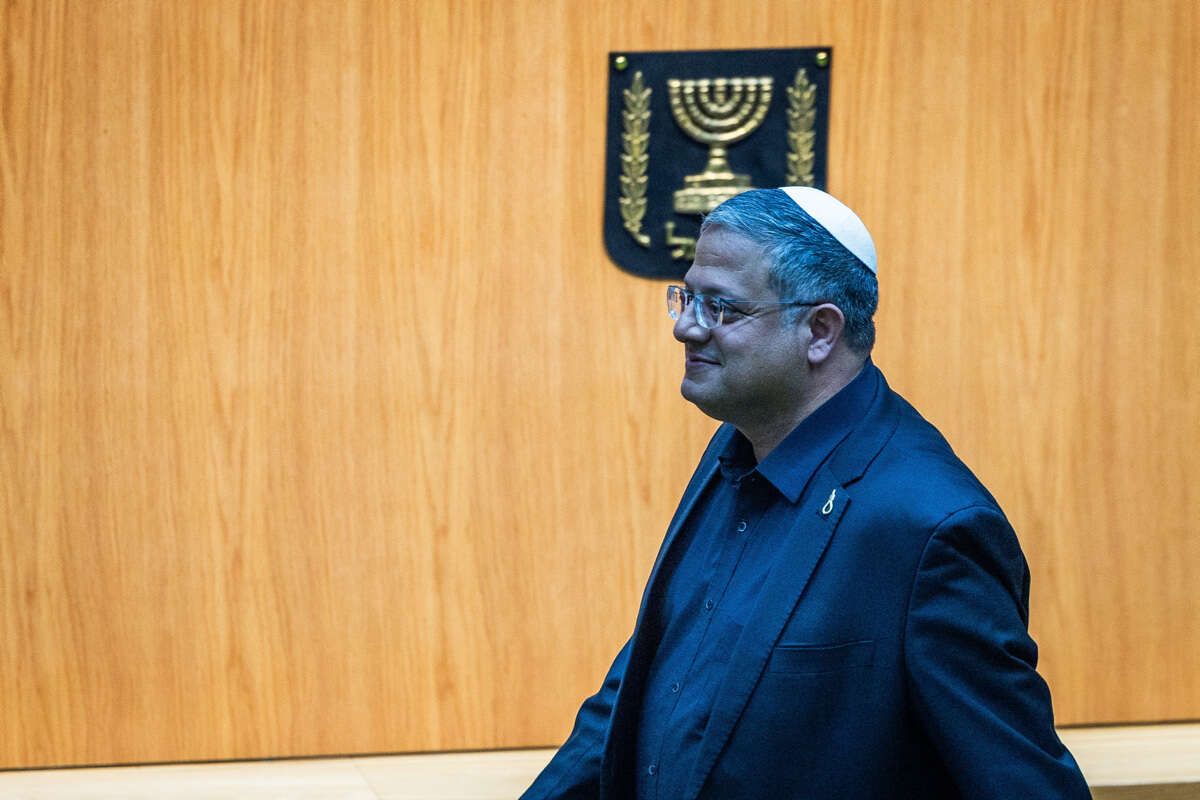
The harsh condemnations did not come only from foreign governments, but also from Jewish communities and Zionist organizations around the world. The European Jewish Congress said Ben Gvir had "aided Israel's worst enemies," while Oskar Deutsch, president of the Jewish Community of Austria, accused the minister of turning the activists into victims and diverting attention from their ties to Hamas. The Board of Deputies of British Jews and Jeremy Leibler, president of the Zionist Federation of Australia, also joined the sharp criticism.
Beyond the diplomatic damage, Jewish communities in the Diaspora now fear a wave of antisemitism that will gain momentum following the distribution of the humiliating video. The Israeli security establishment also has a genuine concern over attempts at "revenge" that would reflect the harm and humiliation of Israeli citizens staying abroad. The bottom line is that while the debate over how to handle the flotilla is legitimate, Ben Gvir's action achieved the opposite result, harmed Israel's national interest and gave Israel's haters exactly what they wanted.