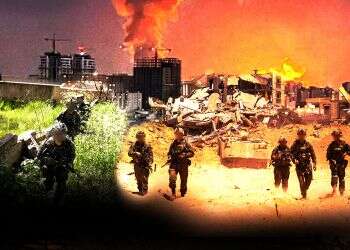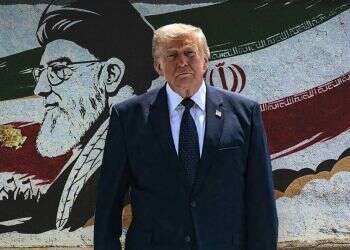
The signing of the US-Iranian memorandum of understanding points to the emergence of a new regional order, one Israel will not like, but one the Gulf states are already rushing to adapt to.
While Israel will still spend a great deal of time debating why the war failed to achieve its objectives and asking, "What went wrong?" the Gulf states have already internalized the reality: Iran remains a dangerous neighbor and, in some respects, has even emerged from the campaign strengthened. Behind the congratulations from Riyadh, Abu Dhabi and Doha over the agreement lies not optimism, but relief that the war has ended and that they can return to focusing on their economic priorities.
For many in Israel, the Gulf states' willingness to resume dialogue with Iran is surprising, since some of them were hurt more than Israel. But precisely for that reason, they are not asking how Iran can be defeated, but how to live alongside it.
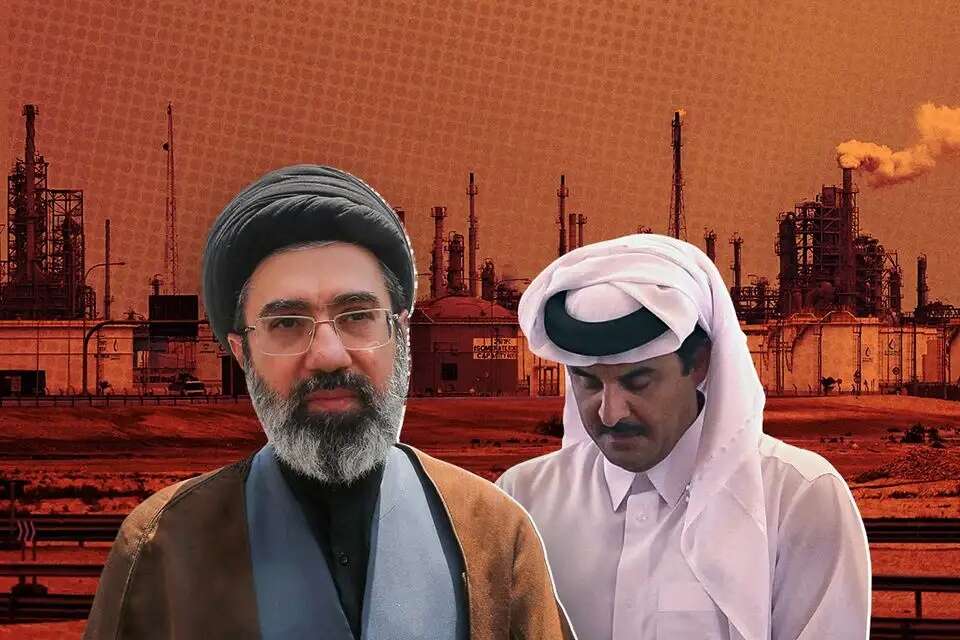
To my knowledge, this is one of the central lessons the Gulf states drew from the war: The US is not prepared to invest the resources required to topple the Iranian regime or force it into submission. Once that assumption took hold, the road back to dialogue with Tehran was short. In fact, the war did not change the direction in which the Gulf states were moving, but accelerated a trend that began years ago.
The war worsened the Gulf states' situation. It demonstrated Iran's willingness to block the Strait of Hormuz and strike critical energy infrastructure on their territory. In such a reality, from their perspective, there is no better alternative than maintaining the most normal relations possible with Iran. According to reports, this also includes money from Gulf states being transferred to Iran in order to "buy quiet."
For the Gulf states, economic stability is not merely a desirable goal, but an existential interest. The development visions of Saudi Arabia, the United Arab Emirates and Qatar depend on stability, openness to foreign investors and integration into global markets, and any regional confrontation undermines those foundations.
The results of the war also expose a strategic gap between them and Israel. While the Gulf states have internalized the limits of their own power and the limits of American power, Israel continues to speak the language of war. From their perspective, the renewed rapprochement with Iran does not reflect trust in, or identification with, the regime in Tehran. Quite the opposite. Iran remains their main external threat. But the war illustrated just how difficult it is to eliminate that threat by military means alone, and certainly how risky it is to rely on the US to do so for them.

Therefore, those in Israel hoping that the Gulf states will join an anti-Iranian camp and actively seek to bring down the Iranian regime are likely to be disappointed. Instead, the Gulf states will strengthen their defensive capabilities, diversify their partnerships and return, for lack of any better option, to détente with Iran.
Moreover, a combination of factors could push the Gulf states further away from expanding normalization with Israel. First, many in the Gulf blame Israel for embarking on a military adventure whose security and economic price they were forced to pay. Second, after Iran demonstrated its asymmetric military advantage in the Gulf, its neighbors will have to take its positions into account more than before. Under these circumstances, it will be easier for Tehran to pressure the Gulf states to cool their ties with Israel. Added to this is the Israeli government's ongoing refusal to engage on the Palestinian issue, a matter that remains important in the Arab world, even if at times Israel appears to prefer ignoring it.
The agreement has been signed and the new regional order is beginning to take shape. While Israel will undoubtedly examine options for continuing the struggle against Iran, the Gulf states are already in the day after. In my view, the question they are asking is not how to start another war, but how to prevent one.