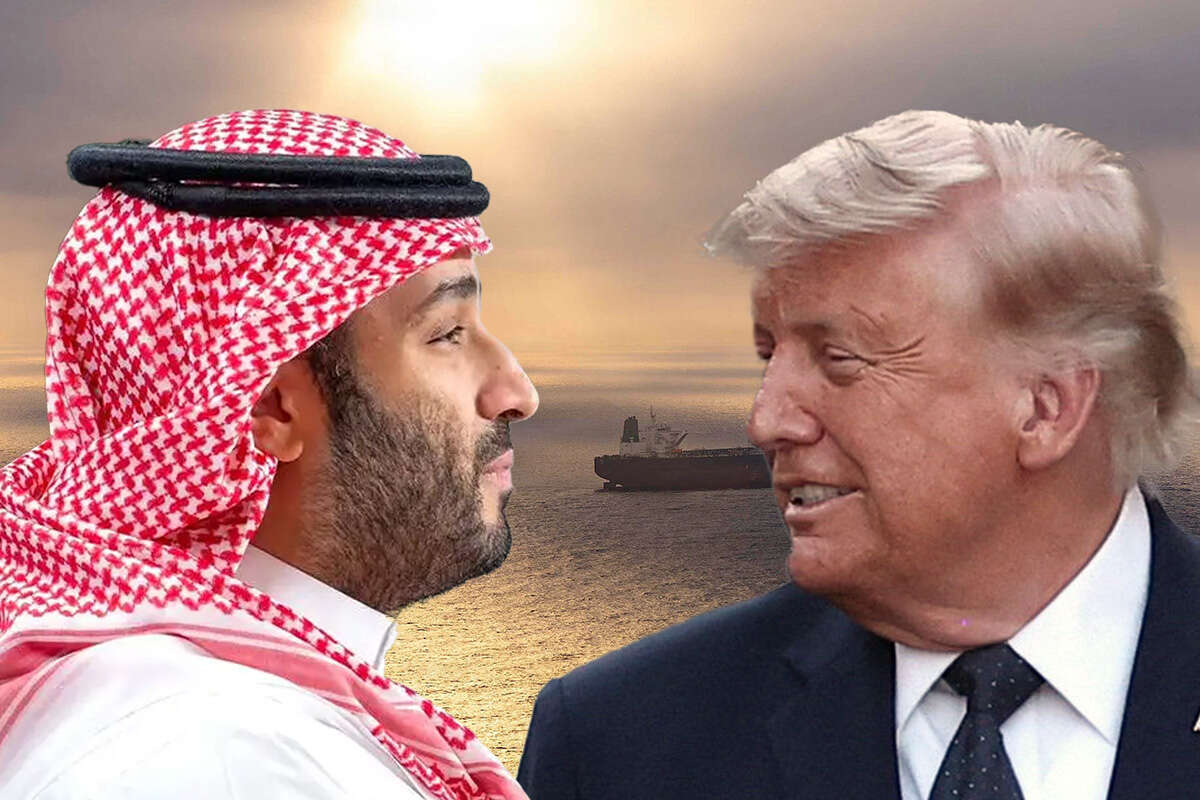
Alliance in trouble: An unprecedented rift has opened between the US and Saudi Arabia after Riyadh refused to allow the US to forcibly reopen the Strait of Hormuz in April, The Wall Street Journal reports.
According to the report, more than 100 US military aircraft took off from bases and warships across the Middle East as part of an effort to break through the Strait of Hormuz last spring, when they ran into a problem: Saudi Arabia, whose bases and airspace were critical to the mission, refused.

The opposition forced the US to cancel Operation Project Freedom, according to US officials familiar with the matter, ending the military operation meant to ensure safe passage for ships that President Donald Trump had dispatched hours earlier.
The White House was furious and threatened to delay the delivery of interceptors Saudi Arabia needed to shoot down Iranian missiles and drones unless the kingdom changed course, US and Arab officials familiar with the discussions said. Saudi Arabia eventually backed down, but US officials said at the time that the damage would not be easily repaired.

The US is now considering reducing its military footprint in the kingdom, according to US officials involved in the planning process. The American threats, which had not previously been reported, marked the largest rift in years in a relationship that has underpinned Gulf security arrangements for decades.
Secretary of State Marco Rubio traveled to the Gulf last week for meetings with senior officials in the region. He visited the United Arab Emirates, Kuwait and Bahrain, the three countries hit hardest by Iran during the war, but did not travel to Saudi Arabia.
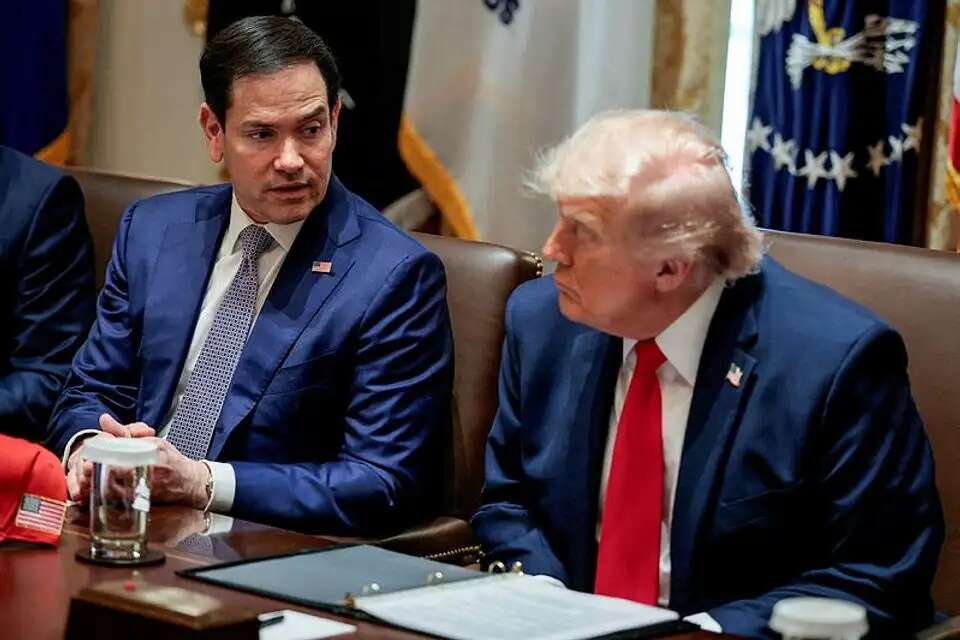
Saudi officials were displeased and interpreted Rubio's decision not to visit Riyadh as a form of calculated snub, according to people familiar with the kingdom's thinking.
Trump administration officials denied that this was the intention, saying Rubio held positive talks with Saudi Foreign Minister Prince Faisal bin Farhan on the sidelines of a Gulf Cooperation Council meeting in Bahrain. The US and all Gulf Cooperation Council member states issued a joint statement after the meetings reaffirming their "strong commitment" to their partnership.