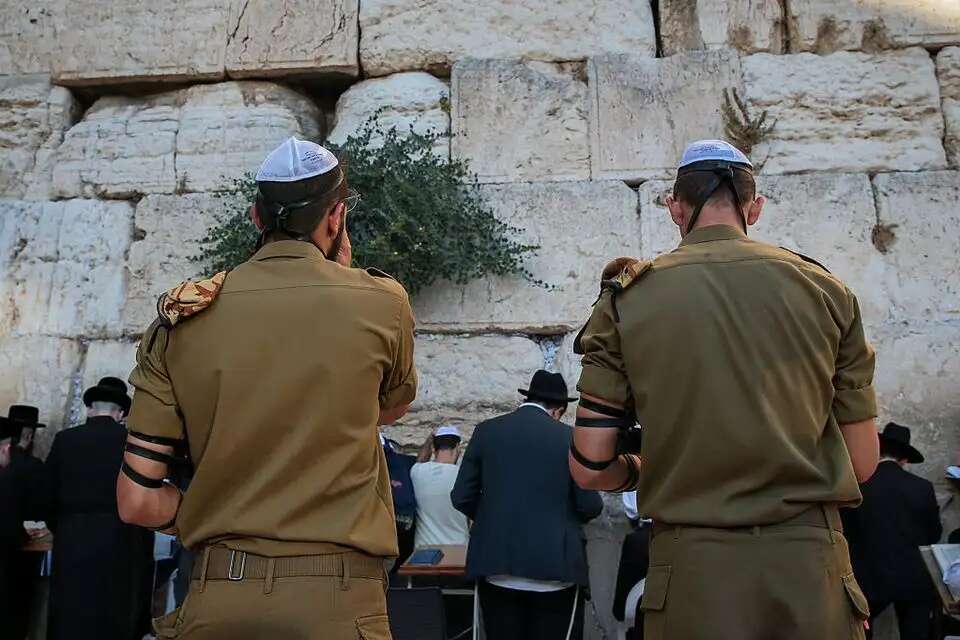
The fast of the 17th of Tammuz is one of the four fixed fasts in the Hebrew calendar connected to the destruction of the Temple. It takes place about three weeks before the fast of Tisha B'Av and marks the breaching of the walls of Jerusalem by the Romans during the Second Temple period.
Fast start times for the 17th of Tammuz
Jerusalem: 4:25 a.m.
Tel Aviv: 4:26 a.m.
Haifa: 4:23 a.m.
Eilat: 4:32 a.m.
Safed: 4:21 a.m.
Beersheba: 4:28 a.m.
Rehovot: 4:26 a.m.
Ashdod: 4:27 a.m.
Ashkelon: 4:28 a.m.
Tiberias: 4:21 a.m.
Fast end times for the 17th of Tammuz
Jerusalem: 8:16 p.m.
Tel Aviv: 8:14 p.m.
Haifa: 8:17 p.m.
Eilat: 8:06 p.m.
Safed: 8:18 p.m.
Beersheba: 8:14 p.m.
Rehovot: 8:14 p.m.
Ashdod: 8:13 p.m.
Ashkelon: 8:13 p.m.
Tiberias: 8:15 p.m.
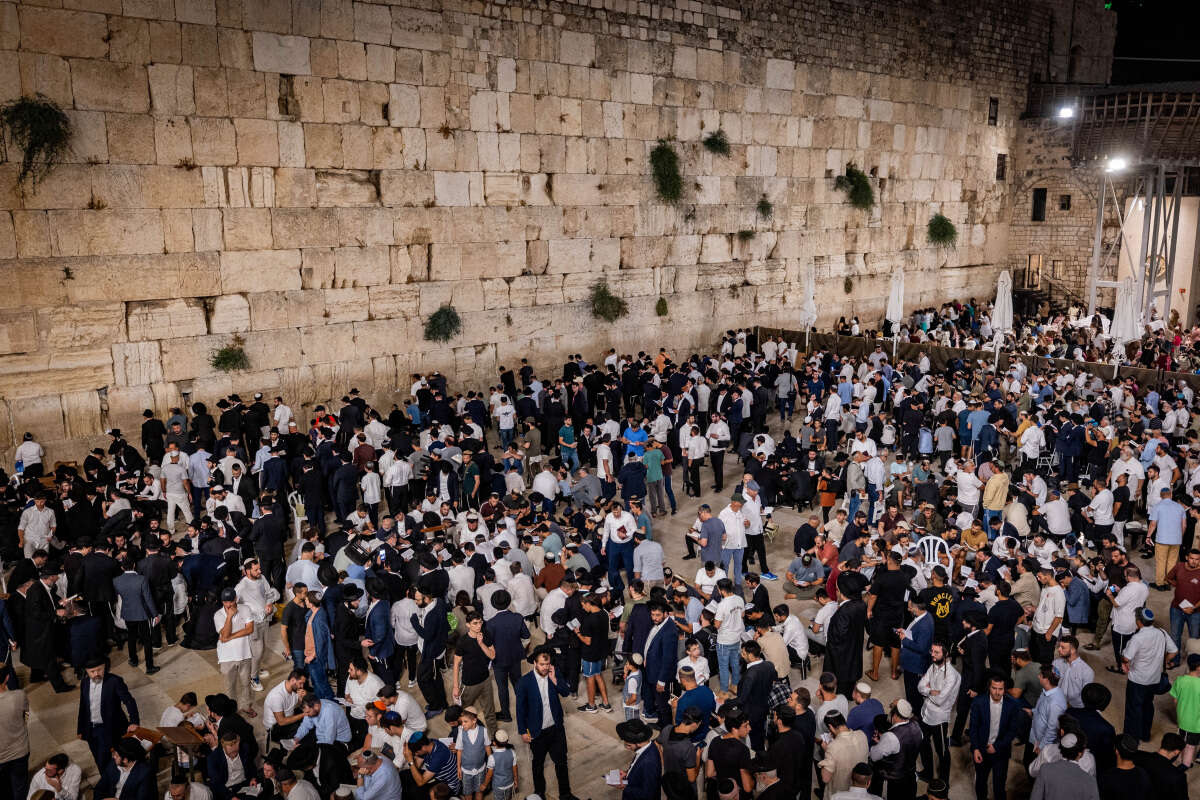
The meaning of the fast of the 17th of Tammuz
Five tragic events in the history of the Jewish people are associated with this day:
- The breaching of the walls of Jerusalem
After a prolonged siege of the city, Roman forces succeeded in breaking through its walls. This event marked the beginning of the final stage of the siege, which ended about three weeks later with the destruction of the Temple.
- The burning of a Torah scroll
According to tradition, a man named Apostomus burned a Torah scroll, an act seen as a grave assault on the people's spiritual identity.
- The placement of an idol in the Temple sanctuary
An idol was placed inside the Temple sanctuary, an act that symbolized the desecration of the holiest site for the Jewish people.
- The breaking of the tablets
When Moses descended from Mount Sinai and saw the sin of the Golden Calf, he broke the Tablets of the Covenant he had received, an act that symbolized the rupture in the covenant between the people and God.
- The suspension of the daily offering
As the siege of Jerusalem intensified, there were no longer any sheep left for sacrifice, and the daily offering was halted, symbolizing the disruption of the people of Israel's religious routine.
What are the Three Weeks?
The "Three Weeks" is the name given to the period from the 17th of Tammuz until Tisha B'Av. It is a period of national mourning that recalls the chain of disasters that led to the destruction of the Temple. As Tisha B'Av approaches, mourning customs become stricter: Weddings and joyous events are avoided, as are haircuts and listening to music.
Halachic guidelines and customs for the fast
Prayers
During the Shacharit and Mincha prayers, the Torah portion "Vayechal Moshe" is read, and the "Aneinu" prayer is added.
Laying tefillin
Unlike the major fasts, such as Yom Kippur and Tisha B'Av, tefillin are worn on this day both during Shacharit and Mincha.
Prohibitions
The central prohibition is on eating and drinking only. Unlike Tisha B'Av, there is no prohibition on washing, applying oils or creams, or wearing leather shoes, and work and regular activity are permitted as usual.
Frequently asked questions
Is it permitted to brush your teeth on the fast of the 17th of Tammuz?
Yes, but care should be taken not to swallow water in the process.
Is it permitted to shower on the fast of the 17th of Tammuz?
Yes, unlike Tisha B'Av, when bathing is prohibited. However, it is customary to avoid a very long or hot shower in order to preserve the character of the day.
Who is exempt from fasting on the 17th of Tammuz?
People who are ill, even if their condition is not life-threatening; pregnant women; nursing mothers for whom fasting is difficult; and children below bar or bat mitzvah age. Soldiers engaged in operational activity may also be exempt according to the instructions of the Military Rabbinate. In any case of doubt, a rabbi and a doctor should be consulted.
Are tefillin worn on the fast of the 17th of Tammuz?
Yes, during both prayers, Shacharit and Mincha.
Is it permitted to listen to music on the fast of the 17th of Tammuz?
There is no explicit halachic prohibition, but it is customary to avoid playing joyful music and to devote the day to study, prayer and reflection.