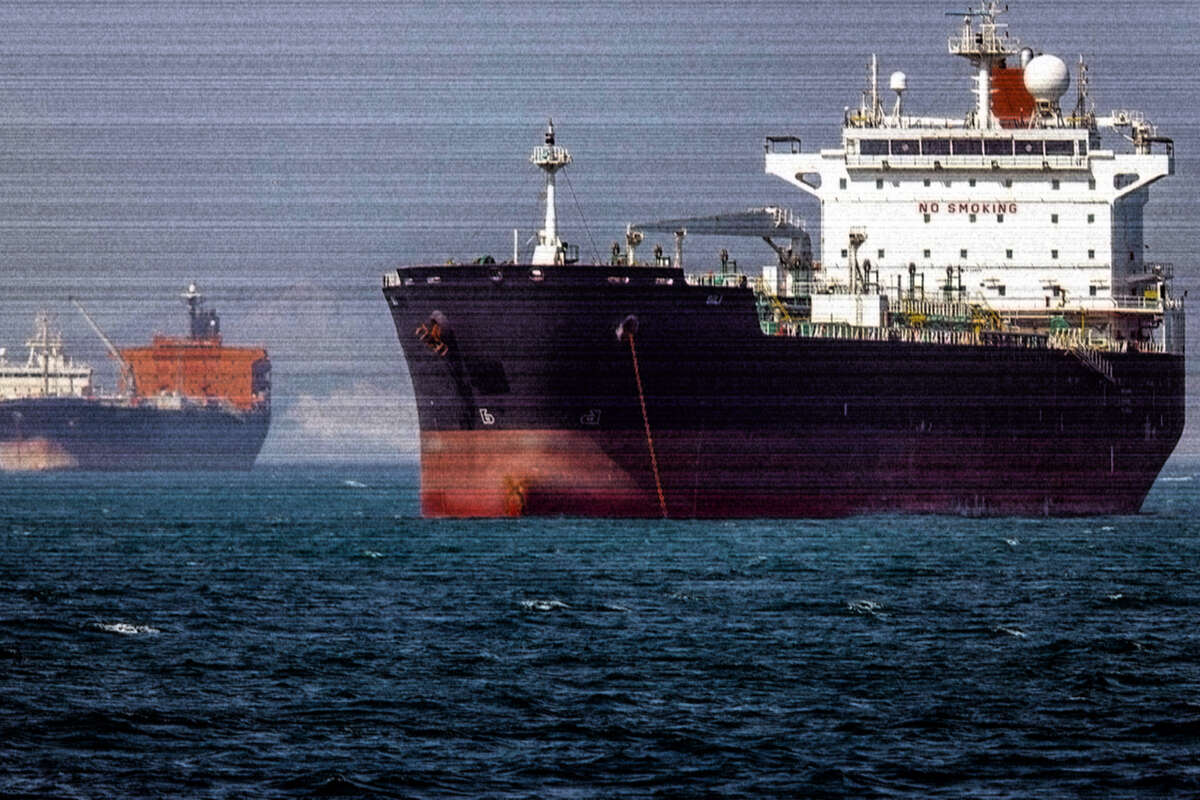
Oil tanker traffic through the Strait of Hormuz has surged in recent weeks to more than 10 million barrels a day, according to a report published Wednesday by Bloomberg. A US official said American military support had strengthened shipping companies' confidence and limited Iran's ability to disrupt traffic along the strategic maritime route.
According to the report, the increase in tanker traffic has been recorded since US President Donald Trump signed a ceasefire agreement with Iran. Washington believes the rapid recovery in oil traffic surprised Tehran and exposed the limits of its ability to shut down the shipping lane.
The report further said that even before the ceasefire, the US had acted to reduce Iran's influence in the strait by deploying layers of defense under US Central Command, including naval and air forces. According to the official, those steps encouraged shipping companies to send tankers through the southern route of the strait, near Oman, which is considered safer.
The issue is also at the center of indirect talks between the US and Iran being held this week in Qatar, with the participation of US envoys Steve Witkoff and Jared Kushner. Beyond the issue of the nuclear program, one of the main topics is the future of freedom of navigation in the Strait of Hormuz.
According to the official, the US is demanding that Iran commit to a long-term arrangement that would ensure free passage for commercial vessels. During the 60-day negotiating period, it was agreed that no transit fees would be collected, but the status of the arrangement afterward remains in dispute. Trump and Secretary of State Marco Rubio have made clear that they will not agree to the imposition of fees or transit charges as part of a permanent agreement.
According to the report, Iran has not yet publicly accepted the American demands. Last week, it attacked a Singapore-flagged cargo ship with a drone, an incident that led to exchanges of strikes and put the ceasefire to the test.
Washington believes the attack was intended to reassert Iran's control over the strait, after Tehran realized that oil traffic had resumed rapidly despite the fighting. The US official added that Iran's limited ability to track vessels far from its shores made it harder for Tehran to understand in real time the scope of traffic along the southern route.
Before the outbreak of the war, some 20 million barrels of oil and fuel passed through the Strait of Hormuz each day, accounting for about 20% of the world's oil and liquefied natural gas supply. According to the latest figures, more than 10 million barrels currently pass through the strait daily, while another 5 million barrels are moved along alternative routes, a figure the official said brings the market closer to prewar activity levels.