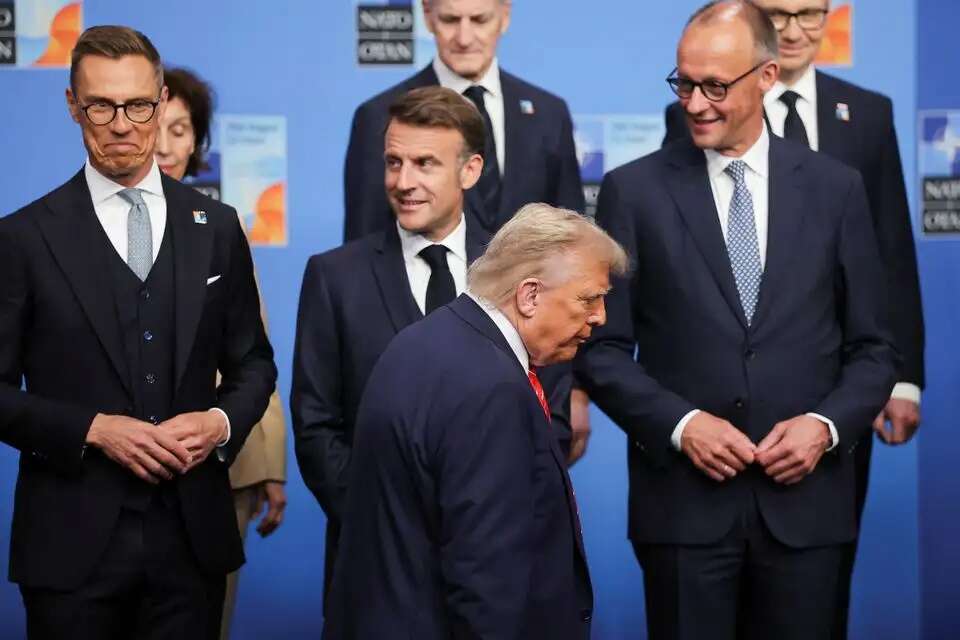
The leaders of NATO's 32 member states will convene Tuesday in Ankara for a two-day summit, described as one of the most tense and complex gatherings the alliance has seen in recent months. The meeting comes against the backdrop of six particularly turbulent months in diplomatic relations, led by US President Donald Trump's uncompromising demand that his European allies significantly increase their defense budgets.
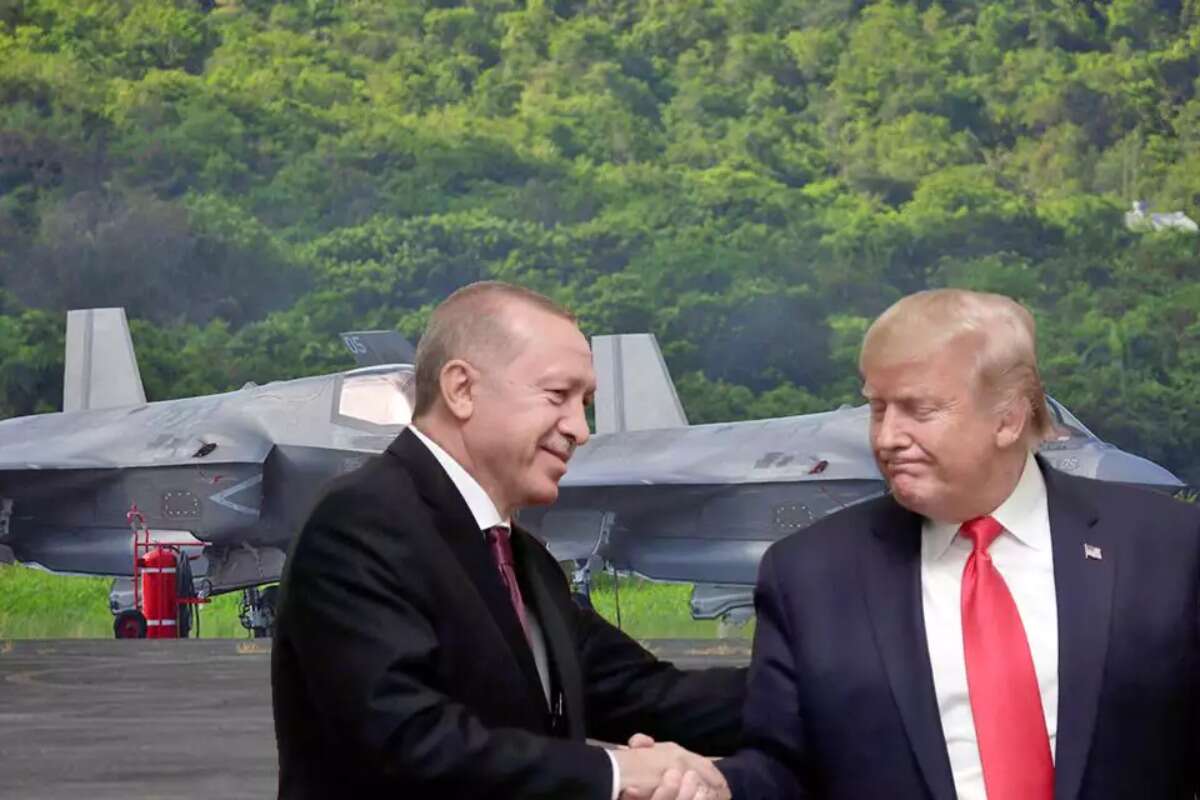
Meanwhile, The New York Times reported that Trump was expected to present a dramatic move to his Turkish counterpart during the summit. According to the report, Trump is prepared to bring Turkey back into the F-35 fighter jet program and allow it to purchase the advanced technology. This would run counter to a decision Trump himself made seven years ago, when he banned the sale of the jets to Ankara on national security grounds following Turkey's purchase of Russia's S-400 air defense system. The current move is expected to face opposition in Congress.
The summit in Ankara is taking place at a low point in trans-Atlantic relations. Over the past year, Trump has had a series of clashes with Western leaders: He threatened to take control of Greenland from Denmark, failed to consult European leaders before the joint US-Israeli strike against Iran, and complained when European countries refused to allow American aircraft to bomb Iran from their territory.
To increase the pressure, the White House is already planning to cut by one-third the number of F-15 and F-16 fighter jets the US allocates to Europe in the event of a confrontation with Russia. US Defense Secretary Pete Hegseth recently threatened that the US would significantly reduce its troop presence in European countries that spend the lowest amounts on defense.
Although NATO members already agreed last year to raise their defense spending to 5% of GDP, up from 2%, by 2035, the Trump administration is demanding that countries reach the target as quickly as possible. "The goal is for Europe to take responsibility for the conventional defense of the European continent," Matthew Whitaker, the US ambassador to NATO, told CNBC on Monday. "We are not leaving, we are just doing less." A senior US official, speaking in a briefing ahead of the summit, told reporters to expect "announcements worth billions of dollars" on the sidelines of the Ankara conference.
On Sunday, Russia bombarded Kyiv, the capital of Ukraine, with dozens of missiles and hundreds of attack drones, killing at least 11 people and wounding dozens more, according to Ukrainian President Volodymyr Zelenskyy and media reports. The attacks on the eve of the summit, which Zelenskyy is due to attend, ensured that the war would be an urgent focus for the 32-member alliance, which has already described Putin's war in Ukraine as "the gravest threat to Euro-Atlantic security in decades."
One day before the attacks, Trump and Putin held a "businesslike and constructive" phone call initiated by the US that lasted nearly 90 minutes, according to the Kremlin. Trump stressed during the call that Russia and America could realize their "enormous potential for mutually beneficial cooperation" once the war in Ukraine ends, while Putin presented an upbeat picture of Russia's military efforts as "the real situation on the battlefield," according to Putin aide Yuri Ushakov.
Trump also spoke that day with Zelenskyy, who later said the strikes on Kyiv underscored Ukraine's desperate need for additional military assistance, especially from the US. "The United States and Europe have enough power to stop this terror," Zelenskyy said Monday night.
Zelenskyy hopes to leave the NATO summit with commitments from member states to increase support for Ukraine's air defenses. He is expected to hold a bilateral meeting with Trump in Turkey on Wednesday afternoon, according to the White House.
But Trump, who has clashed with Zelenskyy in the past and praised Putin, may not agree that the solution to the four-year war is to further strengthen Ukraine. When Trump was asked Monday morning why Putin apparently felt no pressure to avoid hostilities following their call, he insisted that the Russian leader was indeed seeking to end the war. "I think he does feel pressure," Trump told reporters in the Oval Office. "He wants to end it, and Ukraine wants to end it, and we are talking, and we will see if we can get it ended."