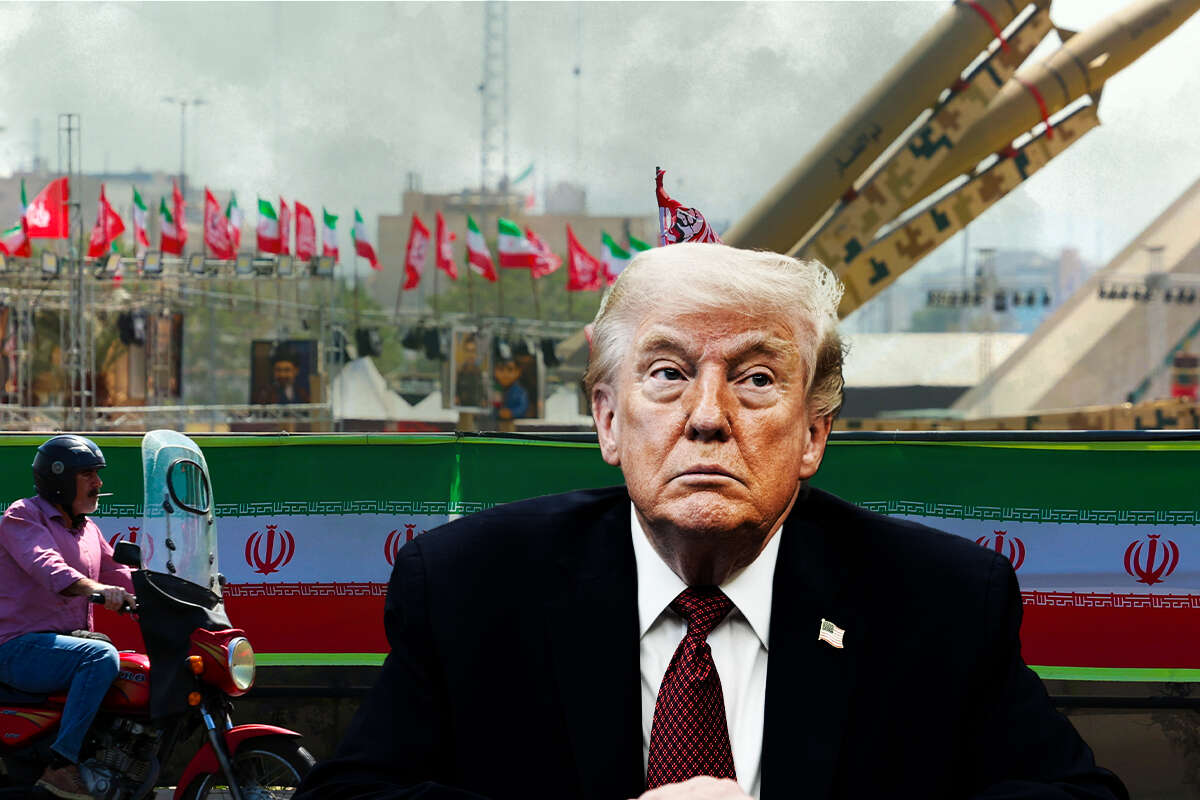
US President Donald Trump has in recent weeks considered declaring victory in the war with Iran if Tehran fully reopens the Strait of Hormuz, and has privately told senior aides that he is willing to walk away without a nuclear deal, according to US officials cited by The Wall Street Journal.
But the prospect of ending the confrontation is becoming increasingly complicated. On Saturday, Iran laid out its most far-reaching demands yet for reopening the strategic waterway. Among other things, Tehran is seeking billions of dollars from the US, the withdrawal of American forces from the region and an end to the US naval blockade.
According to the report, the latest developments have once again narrowed Trump's options for ending the war. The president has repeatedly threatened a major military escalation before backing away from it, while the latest developments in the negotiations suggest that Iran is prepared for a prolonged, grinding conflict.
"Iran's recent hardline demands for reopening the strait make it increasingly difficult for the president to manufacture a face-saving off-ramp from the conflict," said Mona Yacoubian, director and senior adviser of the Middle East Program at the Center for Strategic and International Studies in Washington.

Battle over the Strait of Hormuz
Since April, diplomatic negotiations have been overshadowed by the White House's demand that Iran never obtain a nuclear weapon. Trump sought to include the nuclear issue in broader negotiations with Tehran, but those talks proved too difficult, prompting the White House in recent weeks to focus more heavily on reopening the Strait of Hormuz, as Iran's ability to disrupt traffic through the strait with missile and drone attacks has become a powerful source of leverage, with commercial shipping disrupted and global oil markets shaken.
Now, with less than three months to go before the US midterm elections and gasoline prices still significantly higher than they were before the war began in late February, Trump is looking for a way to present the American public with a picture of victory.
In recent days, the president told reporters that he had been prepared to launch the largest military attack since World War II, but that US allies persuaded him not to do so. At the same time, he insisted that a deal with Iran was "imminent," although no agreement has yet materialized.
On Friday, Trump even suggested on social media that victory had already been achieved without a nuclear agreement, sharing an article headlined, "Donald Trump Won the Iran War."
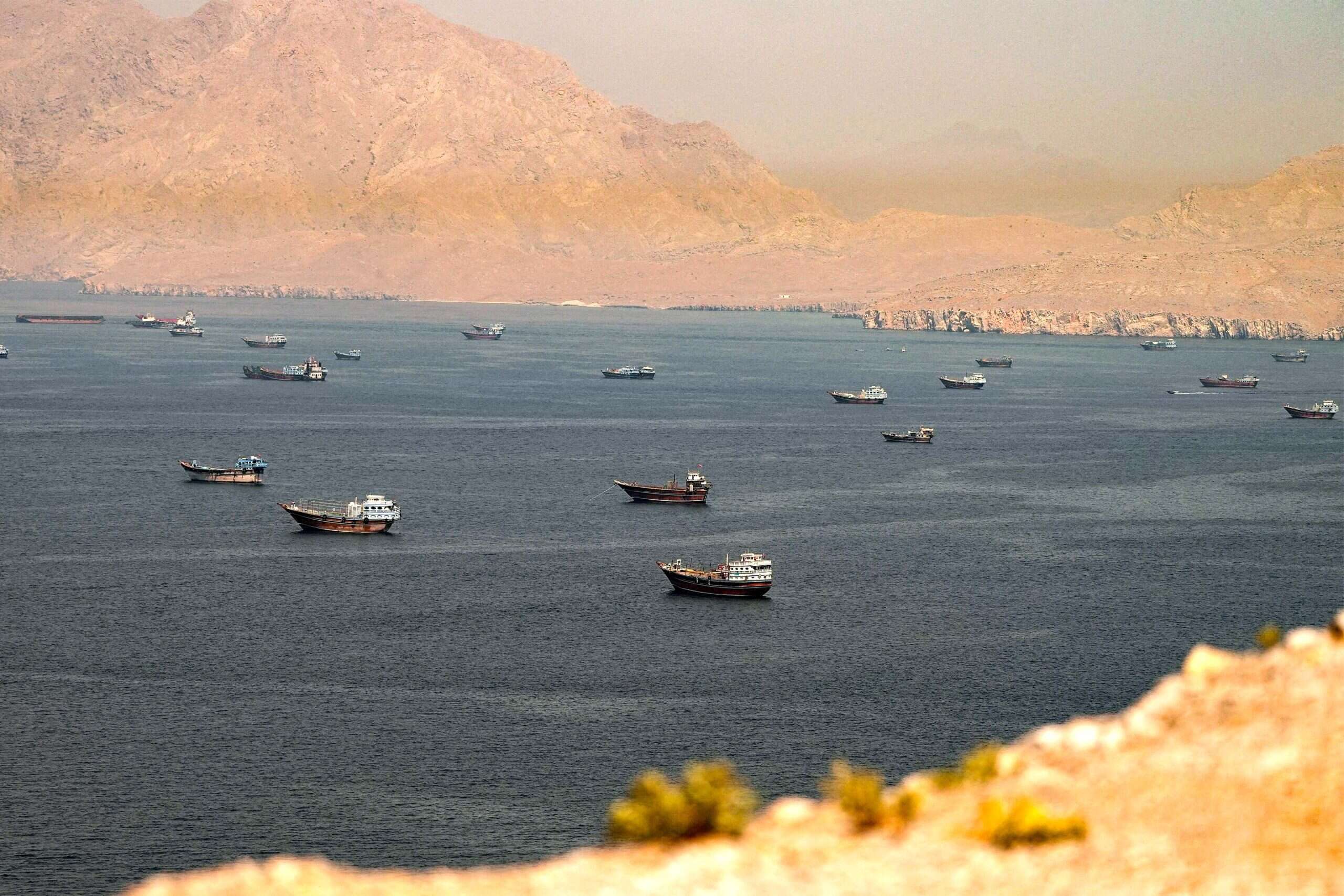
Tehran, which closed the waterway when the war began in February, has demanded that US warships be barred from passing through the strait and has also sought to collect revenue from commercial vessels. Washington, for its part, has said it will not accept Iranian restrictions or tolls. The prospects for an agreement appeared to diminish over the weekend after the United Arab Emirates said Iran had launched a missile attack on one of its ships and a senior Iranian official presented a series of stringent demands as conditions for allowing traffic through the strait.
The White House, meanwhile, has insisted that the US accomplished all of its military objectives against Iran. According to a White House official, Trump's focus now is on securing the flow of global energy through the Strait of Hormuz, while keeping military options on the table in case Iran attacks additional ships.
On the nuclear issue, Trump has told senior officials privately that he believes Tehran will be unable to revive its nuclear program during his presidency after the US destroyed three major nuclear sites last year.
According to the officials, Trump believes US intelligence capabilities would detect any Iranian attempt to rebuild the facilities or secretly construct a nuclear weapon. He also believes the threat of further US attacks will serve as a lasting deterrent. If the US succeeds in preventing Iran from reviving its nuclear program and traffic through the strait resumes, Trump is expected to extend the current ceasefire indefinitely, according to the officials. He is also expected to lift the US military blockade of Iranian ports if Tehran fully reopens the strait.
Iran's demand: Billions of dollars
One of the main obstacles facing the Trump administration is money. Iran is demanding billions of dollars in compensation for war damage, in addition to an agreement to unfreeze Iranian assets held around the world.
While Trump has said the White House will not allow US taxpayer money to go to Iran, according to the report, an agreement appears unlikely without at least some Iranian assets being unfrozen, possibly subject to certain conditions. Another dispute concerns whether the US would grant Iran waivers allowing it to sell oil on the open market. The US agreed to such waivers in June as part of an interim memorandum of understanding with Iran, but it collapsed after Iran attacked ships in the strait and Washington reinstated sanctions on Iranian oil trade.
Trump's latest remarks indicate that he is looking for a way out of the confrontation. On Thursday, the president told reporters that the US blockade of Iranian ports meant the Strait of Hormuz was "sort of open right now," although he acknowledged that Tehran could still damage ships using missiles, drones and mines. Trump has also suggested that Iran's buried uranium stockpile is no longer a significant issue.