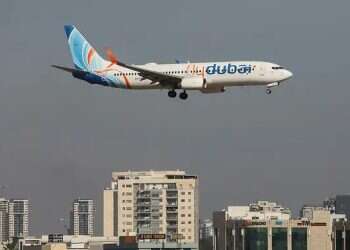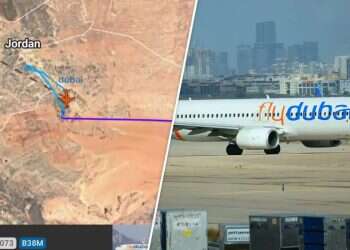
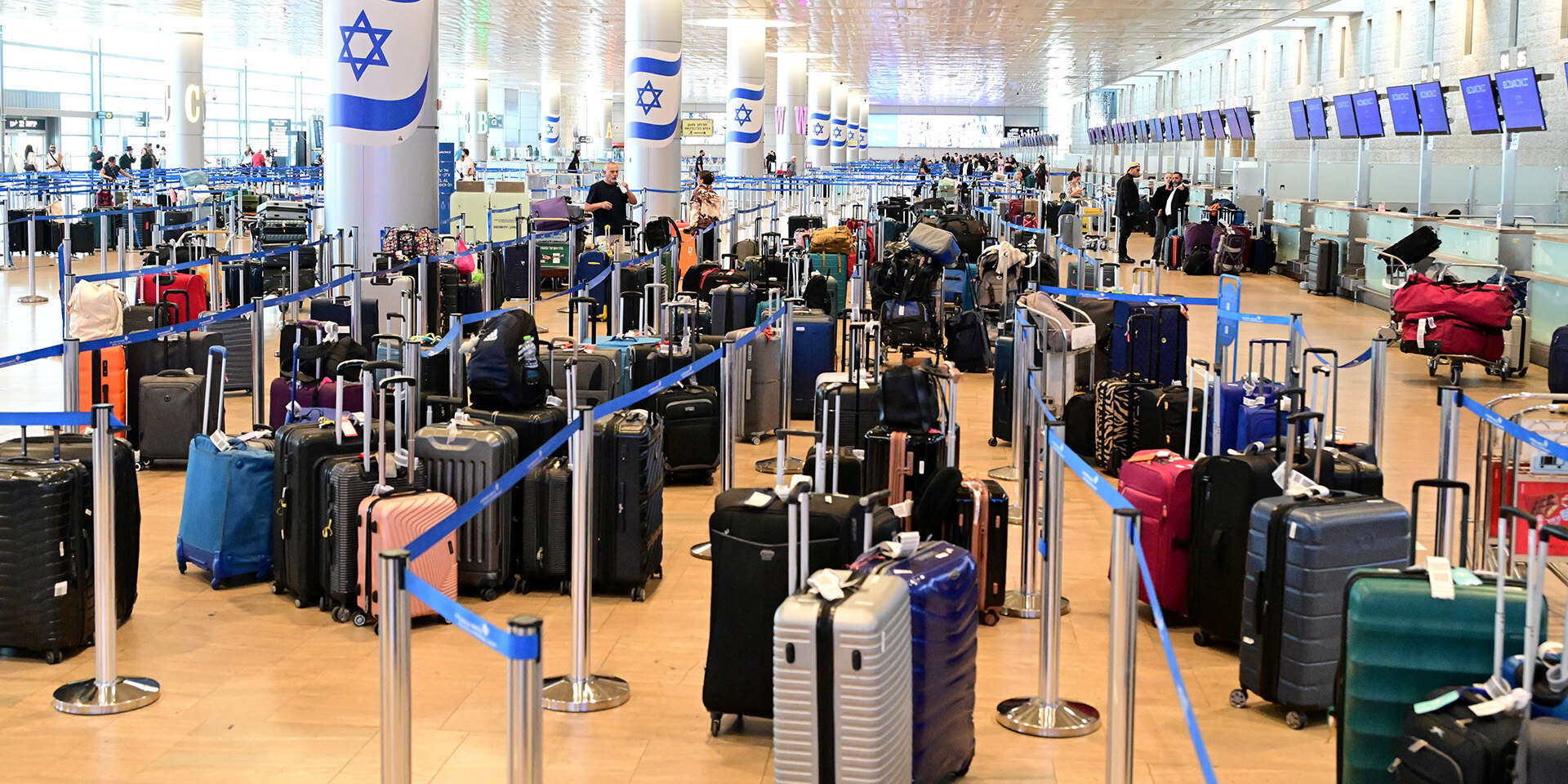
Ben Gurion International Airport's afternoon meltdown appeared to be heading toward resolution Thursday when the Israeli Airports Authority (Israel's state airports regulator) announced at 2:30 p.m. that landings and takeoffs would gradually resume from 3 p.m. The sudden disruption, which forced aircraft to circle the skies while landings were suspended, was triggered by a wildcat strike. Despite workers returning to work, the ripple effect generated by the sudden strike was expected to continue for several more hours until the backlog is cleared during what is considered peak travel season.
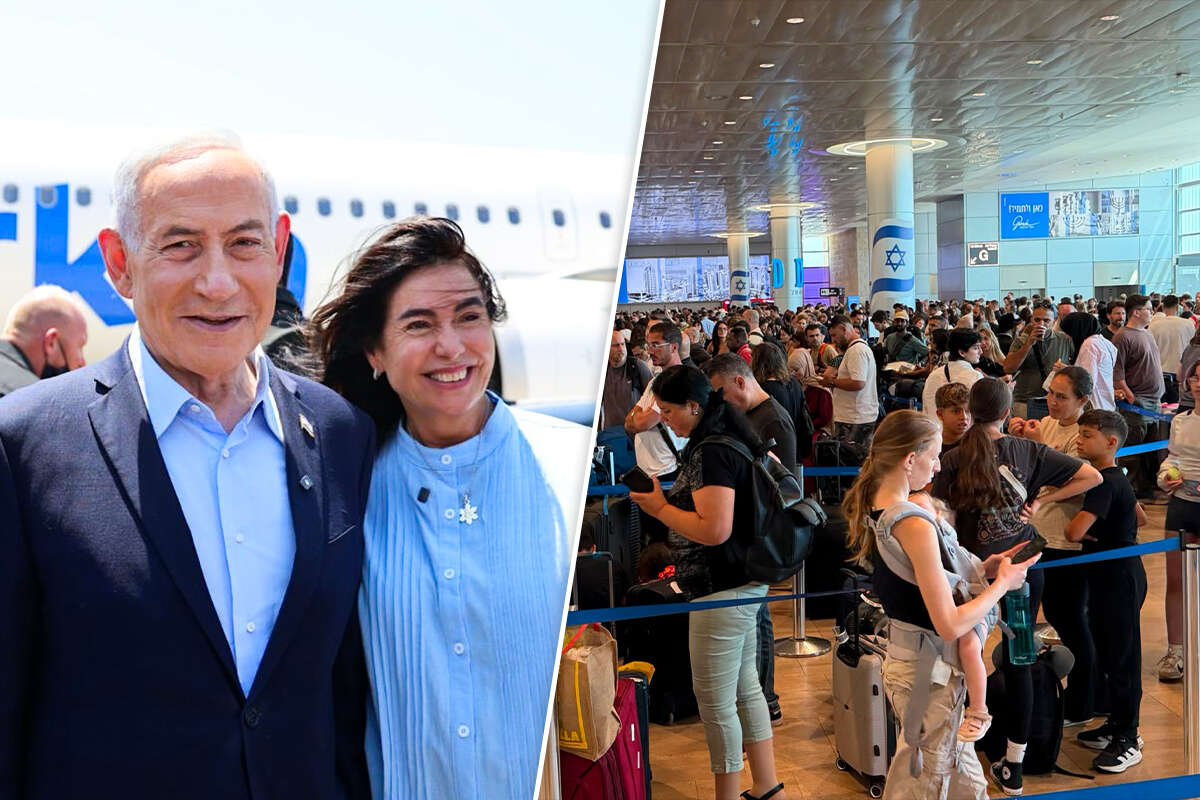
Transportation and Road Safety Minister Miri Regev, responding from Morocco, did not hold back. "I have instructed the Israeli Airports Authority management to immediately petition the Labor Court (Israel's specialized employment tribunal) against the workers' committee in order to compel them to stop this thuggish and illegal strike," she said. "Whoever made the decision to take tens of thousands of Israeli citizens hostage will pay a heavy price." PM Netanyahu also issued a statement, coming just a day after he visited the Israeli airport, saying "Ben Gurion Airport will remain open and operating normally – anyone who gets in the way will be gone and sent home."
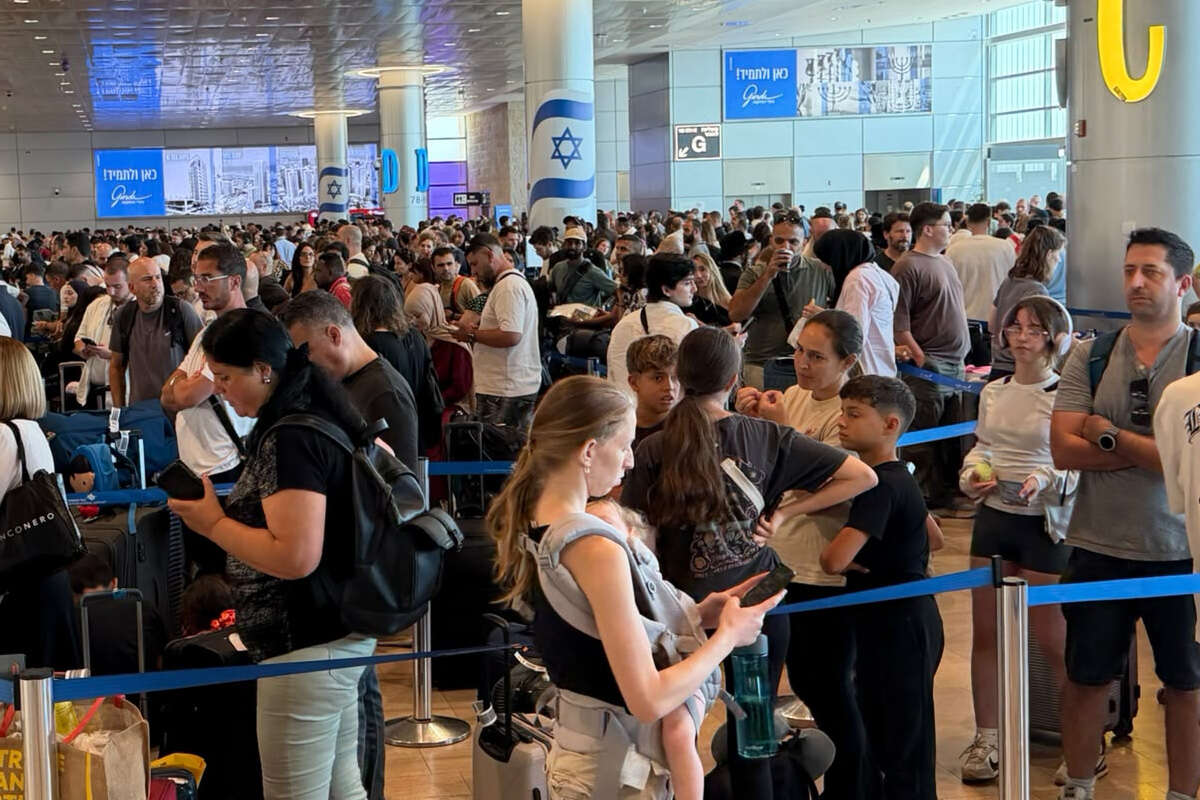
The Transport Workers Union within the Histadrut (Israel's largest national labor federation) flatly denied having ordered any work stoppage. "The attempt to portray the chaos at Ben Gurion as the result of a 'wildcat strike' distorts the truth and diverts attention from the real failure – a severe and prolonged staffing shortage and inadequate preparation for peak summer traffic," the union said.
The union went further, placing the blame squarely on management. "For many months, the Transport Workers Union has warned the Israeli Airports Authority management and the transport minister that the existing workforce cannot handle the expected workloads. The congestion at Ben Gurion did not arrive as a surprise. The writing was on the wall. The warnings went unanswered – and now the public is paying the price."