The defining point from which all IDF operational orders flow, published here in Israel Hayom for the first time, is Hamas' Oct. 7 attack. Everything else followed it: the war in Gaza, the war in Lebanon, the wars in Iran, the strikes on Syrian government and military assets and the systematic elimination of senior terrorist figures across every theater of war in the Middle-East.
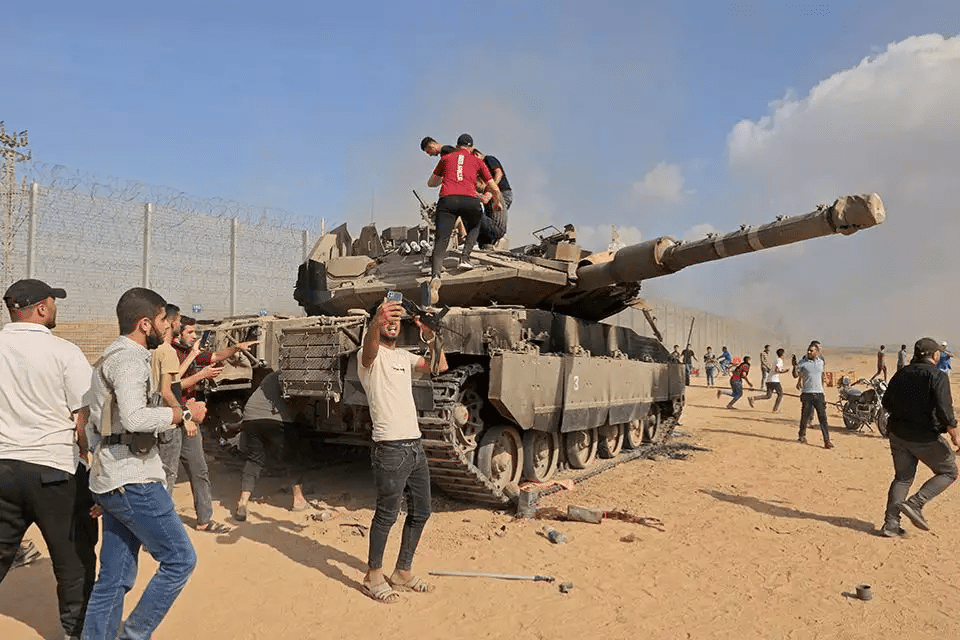
It is therefore unsurprising that the only order still in effect is the original Swords of Iron order. Every other order had both a start date and an expiration date, but the war in Gaza never ended. The original order issued by the IDF Operations Directorate at 12:06 p.m. that day gives a stark summary of the facts: Hamas had launched an attack and was carrying out ground and aerial raids into Israeli communities at several locations, accompanied by massive rocket fire numbering in the thousands. There was concern that soldiers had been abducted in the area of the border fence.
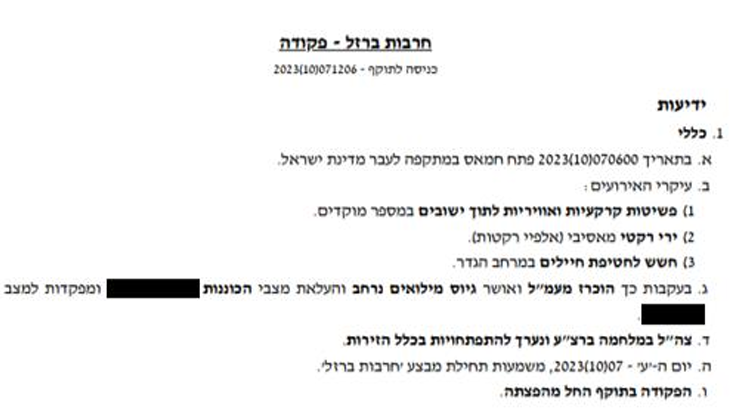
At that stage, the scale of the incursion and the damage, including the kidnappings, was not yet known. The Israel Defense Forces had only begun organizing its response, but the initial order already stated that it was at war in the Gaza Strip and preparing for developments in other theaters. The concern was that those fronts as well, particularly Hezbollah in Lebanon, although the organization was not explicitly named in the order, could join the attack.
Against that background, the IDF declared a transition from routine to emergency, raised its alert level and began calling up reserve forces. The objective of the activity, or the "strategic purpose" as the order issued that day defines it, was defense and the establishment of operational control along Israel's borders and on the domestic security front. At that point there were also concerns about unrest resembling the events of Operation Guardian of the Walls in May 2021.
The order further stated that the IDF was to prevent the enemy from making further gains, strike terrorist organizations in Gaza, create the conditions for a broader campaign in the Strip, maintain a strong defensive posture, prevent escalation in additional theaters and prepare for a multifront war.
Since Oct. 7, the Operations Directorate has issued orders every day, sometimes several in a single day, amounting to thousands of operational orders. Some were broad in scope and open-ended. One example is the order circulated at 7:30 p.m. on Sept. 17, 2024, under which the northern front became the main theater of operations. That order, too, begins by referring to Hamas' Oct. 7 attack, from which the military's day count was also calculated, marking it as D+345.
It stated that the war's objectives had been updated and would now include returning northern residents safely to their homes. The northern front was therefore designated the main theater of operations, while the southern front became a secondary theater, although offensive operations continued there as well.
At 4 a.m. on Dec. 8, 2024, the operational order for the offensive in Syria was issued. It opens not only with a reference to Hamas' attack, but also to the ceasefire with Hezbollah in Lebanon, which had taken effect less than two weeks earlier, on Nov. 27. The order notes the Syrian rebels' offensive, which began in late November, and approval from Israel's political leadership to strike in Syria "during the implementation period and until a new security reality is established on the Syrian front." It does not define the "implementation period," meaning how long the operation was intended to last, nor does it specify the security reality Israel was seeking to establish.

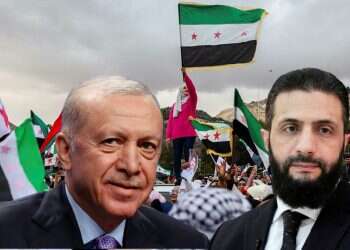
In practice, the IDF took control of extensive areas of the Syrian Golan Heights, including the summit area of Mount Hermon, while the Israeli Air Force systematically destroyed strategic Syrian military capabilities to prevent them from falling into rebel hands. Those operations continued for several days and ended after rebel leader Ahmed al-Sharaa established himself in Damascus and announced that he had taken power.
The first campaign in Iran, Operation Rising Lion, began on the 616th day of the war. An order issued at 6 a.m. on June 14, one day after the campaign began, set out both its name and its objectives: preventing Iran from obtaining a nuclear capability for the long term, striking the regime, hitting unspecified "centers of gravity" and improving the State of Israel's strategic standing.
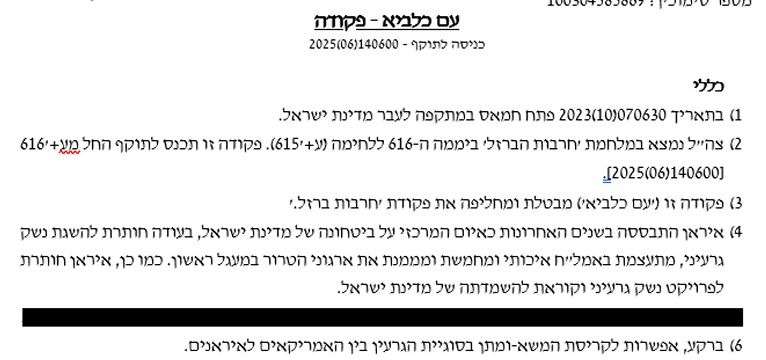
That order also gives no end date for the operation, just as none appears in another order issued on Oct. 27, 2023, exactly 20 days after Hamas' attack. Under that order, issued at 9 p.m., the IDF launched its ground offensive in Gaza, with forces directed to maneuver toward Gaza City. The mission, according to the order, was to attack in Gaza while maintaining a defensive posture on the war's other fronts.
The elimination orders
Unlike orders governing the launch of broad military campaigns, those dealing with targeted eliminations are more focused.
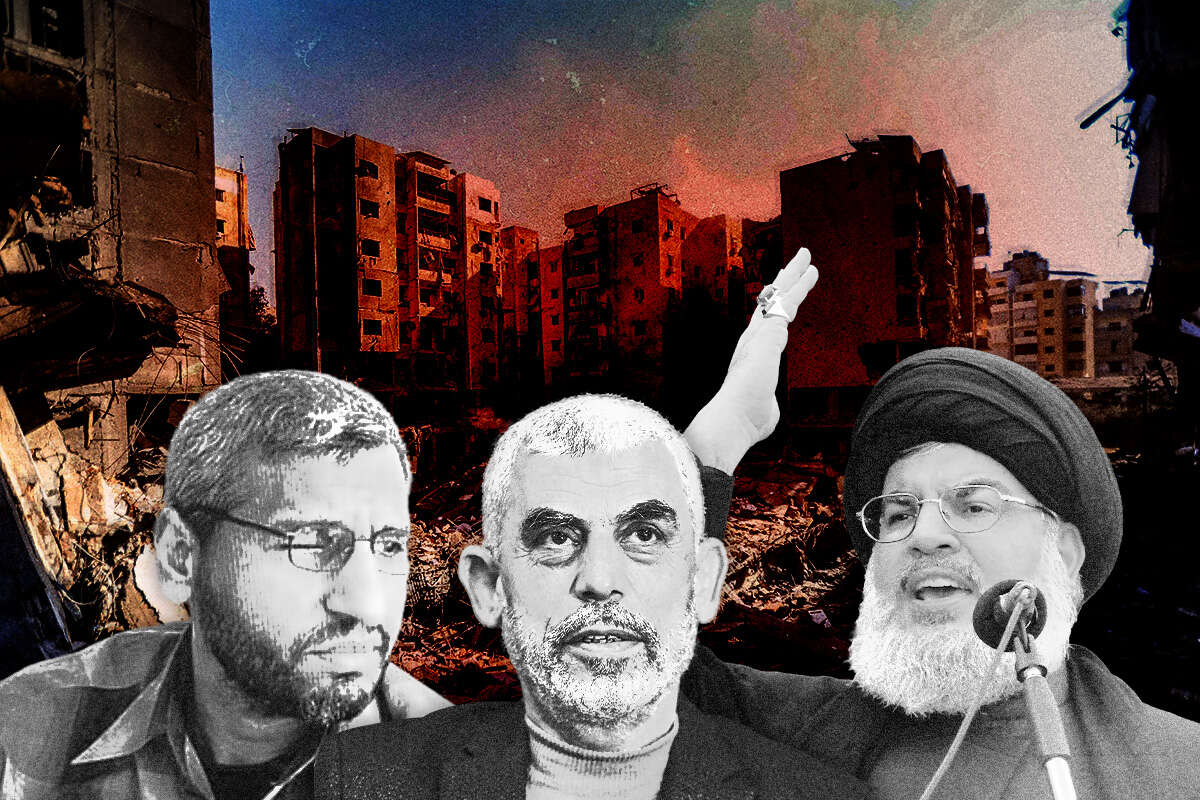
One such order concerned the elimination of Mohammed Deif, the head of Hamas' military wing, together with Rafa'a Salameh, a senior Hamas brigade commander. The operation was carried out on July 13, 2024, with responsibilities divided among the relevant commands. The Israeli Air Force was placed in command of the strike operation, Southern Command was instructed to defend against and remove threats, while the role assigned to the Intelligence Directorate remains barred from publication.
Significantly, the order explicitly states that "the Air Force will act to reduce collateral damage as much as possible," evidence of the intensive attention given to limiting harm to uninvolved civilians during the targeted killing. Two and a half weeks later, on July 30, 2024, the operational order was issued for the elimination of Fuad Shukr, Hezbollah's most senior military commander, described in the document as "responsible for Hezbollah's strategic array."
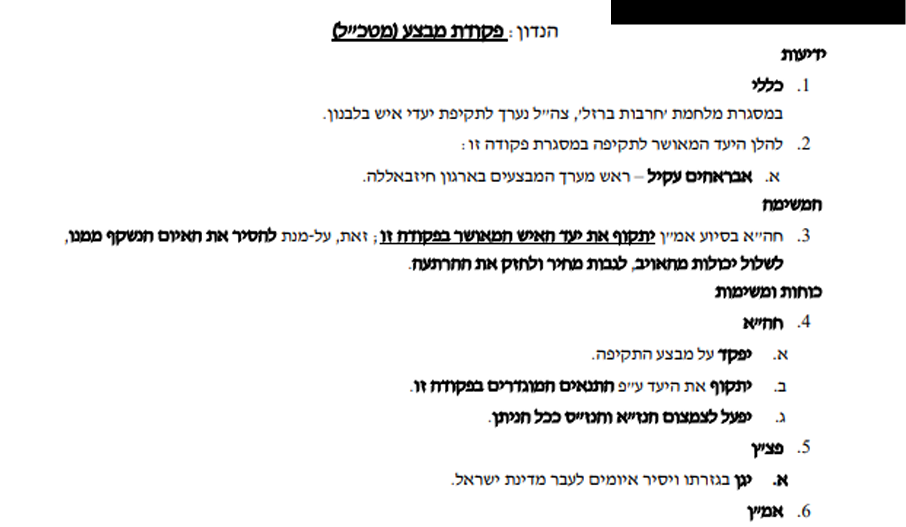
Several days earlier, a Hezbollah rocket had killed 12 children in Majdal Shams, prompting Israel to decide on what became the first major targeted killing carried out in Beirut during the war. That order also set out the assigned missions and addressed both collateral and environmental damage. It established operational time windows as well as a clear restriction: Any deviation from the order required approval from the IDF chief of staff.
Shukr's elimination opened the way for further targeted killings in Lebanon. First came Ibrahim Aqil, the head of Hezbollah's operations unit, who was killed on Sept. 20, 2024. He was followed by the organization's leader, Hassan Nasrallah, who was killed on Sept. 27, 2024.
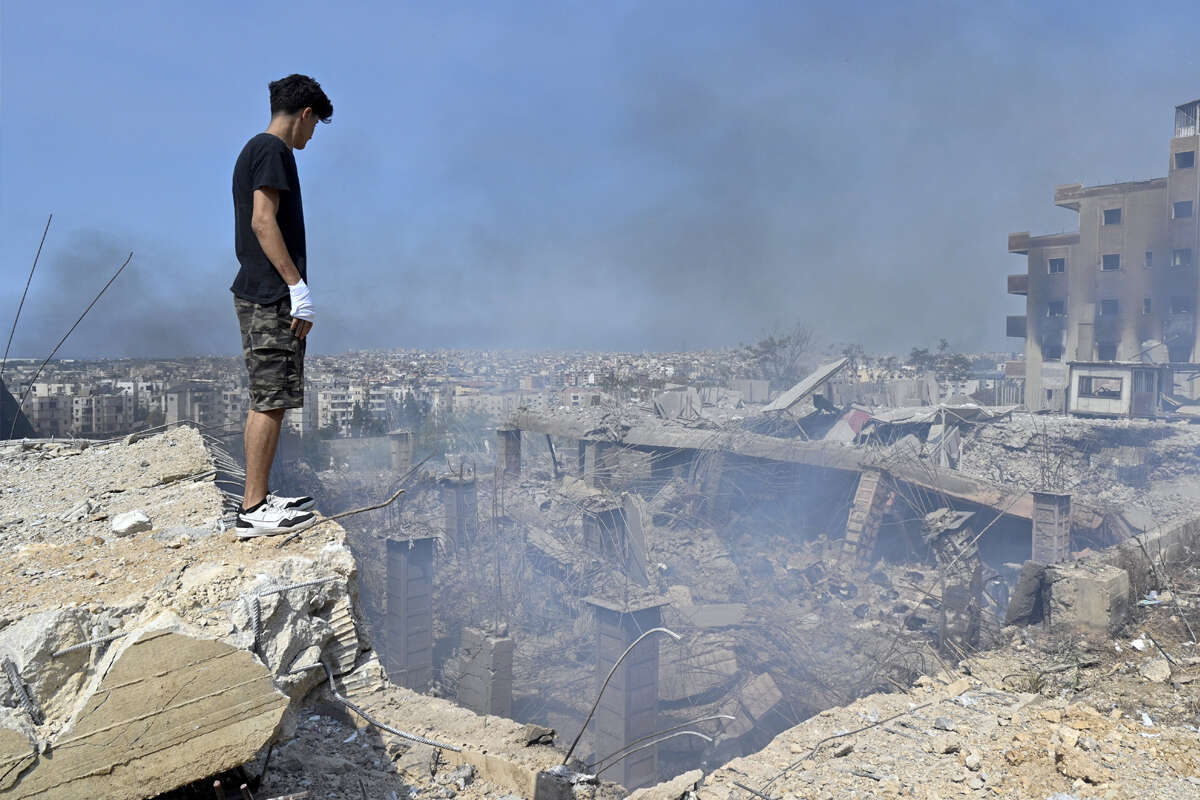
Also killed alongside Nasrallah were Hezbollah Southern Front commander Ali Karaki and Abbas Nilforoushan, the commander of the Islamic Revolutionary Guard Corps' Lebanon Corps. The order provides the first indication that Nilforoushan was an intended target of the operation from the outset, rather than someone killed incidentally in the strike.
The order lays out several stages. The first was an intelligence collection effort to positively identify and validate the targets and confirm that they were at the location. The second was the strike itself, intended to eliminate them. The third was post-strike intelligence collection for battle damage assessment, or BDA, as well as preparations for retaliation by Hezbollah and Iran, including preparations to exact a price from Iran.
Decades of intelligence gathering converge on a single moment
These orders represent the final stage of a structured and methodical process within the IDF. Part of that process rests on years, even decades, of work. Intelligence collection on Nasrallah, including his habits, movements, homes and command centers, and the people around him, continued for decades. The same was true of Mohammed Deif and other senior figures in terrorist organizations.
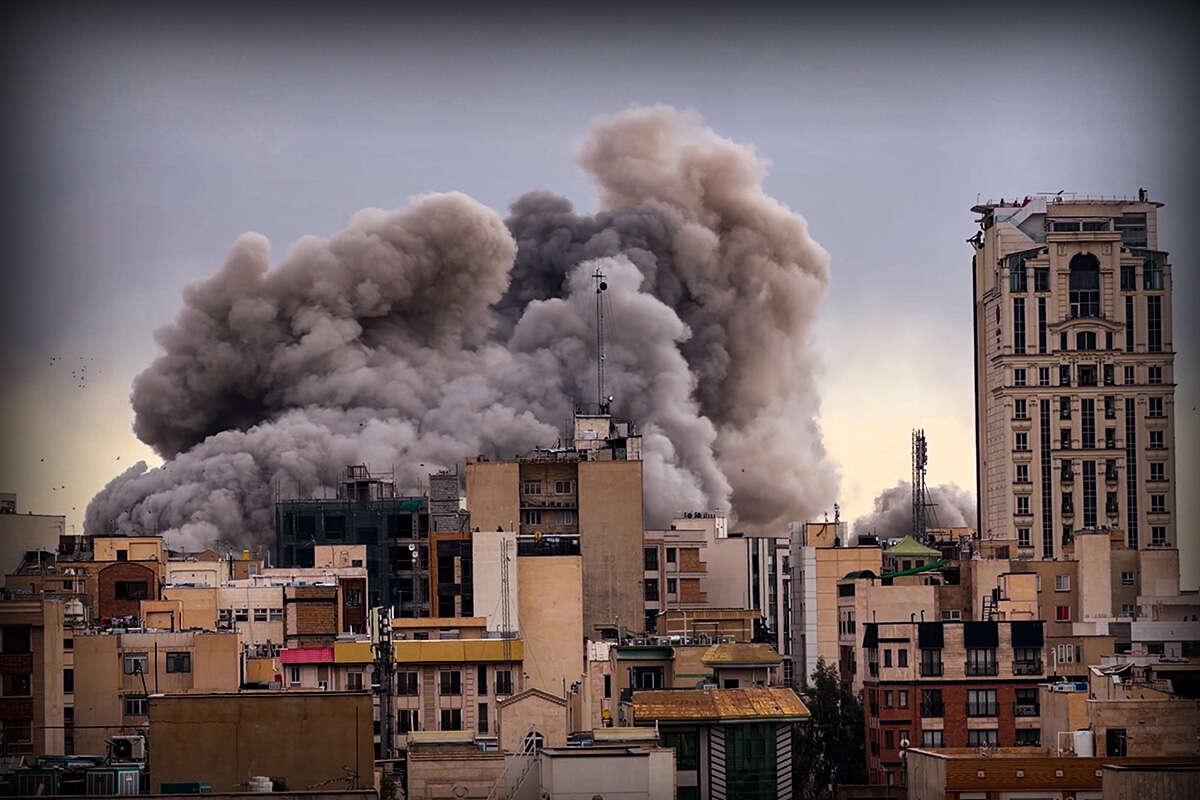
Evidence of this can be found precisely in operational orders that have not been released, including those for the elimination of senior Iranian officials during the opening moves of the two wars with Iran. Information on where those officials lived and worked, which cars they traveled in and whom they maintained contact with was not gathered in real time. It was based on years of painstaking intelligence collection, ultimately translated into coordinates entered into the computers of the fighter jets that launched the munitions at their targets.
The orders also rest on detailed planning conducted by the relevant regional commands, Northern Command in matters involving Hezbollah and Southern Command in those involving Hamas, as well as by the military branches and directorates, including intelligence, the Air Force and the Navy. They also involve cooperation with other security organizations, including the Shin Bet security agency and Mossad. The orders themselves are deliberately spare in both content and wording so that they remain clear, but behind them lie extensive arguments and dilemmas.
On the eve of Operation Rising Lion, Israel's military and political leadership debated whether the order should state that the objective was to "reduce" the Iranian threat or to "push it back." The reason was clear: Israel's ability to strike Iran's nuclear facilities on its own was limited, and at that stage it was still unknown whether the Americans would actively join the attack. During operational planning, the IDF tries to place several possible courses of action on the table, both to allow the political leadership to choose among them and, as far as possible, to ensure that the most effective course of action is selected.
Ahead of the launch of the campaign in Lebanon, which was later named Operation Northern Arrows, the IDF wrestled with the proper balance between airstrikes and ground operations. That debate is not reflected in the principal operational order that was issued, but echoes of it can be found in subordinate orders distributed to various headquarters and forces. The order launching the ground campaign in Gaza, likewise, contains no detailed breakdown of forces and missions, setting out only broad definitions.
At times, planning takes place at great speed. Information about Syria and the capabilities of its military had accumulated over decades, but the realization that the country was collapsing and that rapid action was required was translated in less than 48 hours into the operational order that formed the basis for the systematic destruction of Syria's strategic capabilities and the seizure of territory in the Syrian Mount Hermon area.
This is also often the case in targeted elimination operations. Intelligence indicating that a particular senior figure is at a particular location at a particular time requires rapid action. In Mohammed Deif's case, the intelligence arrived on a Friday evening. By Saturday morning, bombs were already being launched at the compound where he was staying. The more detailed planning, which was not included in the principal order, also accounted for the possibility that Deif might escape. An alternative was therefore prepared to eliminate him while he was on the move using unmanned aerial vehicles.
Still in effect
Targeted elimination operations have a clearly defined beginning and end. They begin when the order to carry out the killing is given and end when it is executed. If the attempt fails and a decision is made to try again, a new operational order is issued. If the targeted killing develops into a broader campaign, that is addressed in separate operational orders.
One of the challenges is managing several such operations simultaneously, or conducting them while other combat fronts remain active. At times, this requires delegating authority to the military branches and regional commands to ensure the various efforts receive the necessary attention and can be managed effectively.
Large-scale campaigns, by contrast, have a start date but generally no predetermined expiration date. In all the campaigns whose operational orders are being published here, in Gaza, Lebanon, Syria and Iran, the end point was unknown or unclear when the decision was made to begin. Some ended within days, as in Syria, or weeks, as in Iran and Lebanon.
One campaign, however, has yet to end. The original order issued at 12:06 p.m. on Oct. 7, 2023, has never expired. The war declared that day in the wake of Hamas' attack is still in effect.