Technology companies betting that artificial intelligence devices will usher in a post-smartphone era are fueling serious privacy concerns around the world, fears that industry experts say could significantly slow adoption of the emerging technology, Reuters reports.
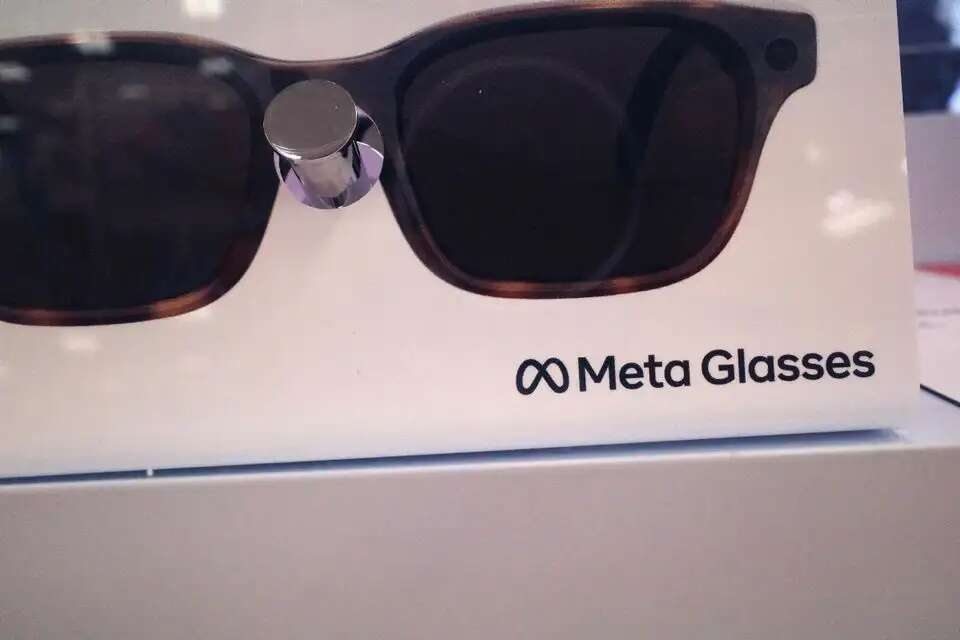
The strongest backlash against devices capable of seeing, hearing and responding to their surroundings has been directed at Meta's smart glasses. The glasses became a mainstream product by combining the fashionable designs of EssilorLuxottica with the artificial intelligence technology of the social media giant.
Meta's glasses have become a focal point of growing unease, drawing scrutiny from courts considering privacy lawsuits, users concerned about covert recordings and critics warning of a future in which ubiquitous AI glasses erode expectations of anonymity and consent in public. Several venues in Britain, including major pub chain Wetherspoon, have restricted recording with the glasses on their premises.
The fight for trust and local data processing
Meta unveiled camera-free smart glasses at its annual Connect developer conference, highlighting the balancing act facing companies seeking a share of the smartphone market, valued at more than $600 billion.
Device makers are experimenting with a range of designs to overcome those concerns, from glasses and pins to pendants and voice recorders that attach magnetically to smartphones. The outcome of the privacy debate could shape a market that technology companies see as the next major computing platform. "The winning form factors will be the ones that make interaction more natural, useful and trusted," Jay Kim, executive vice president of Samsung's mobile division, told Reuters in July. As AI assumes more tasks, he said, users will demand systems that remain secure and under their control.
Speaking with journalists in December, OpenAI CEO Sam Altman outlined his vision for an always-on device capable of understanding a user's surroundings and knowing when to help and when to remain silent. Altman argued that such products would ultimately need to process data locally rather than continuously sending information to the cloud. "You want a device that you can trust," Altman said, one that can have full context and understand when it should and should not be helpful.
He added that if a device is going to listen to and watch a person's entire life, most people will not want that information processed on a cloud server.

People filmed changing clothes, using bathrooms
Experts say the central challenge is that AI devices become more useful as they collect more information about their surroundings. That information can often include recordings of people who never consented to being filmed or recorded. "It's not always obvious to the consumer what it is they're giving up in terms of privacy" in exchange for new consumer products designed to make life more efficient, attorney Ryan Clarkson said.
Clarkson's law firm represents consumers suing Meta and Luxottica of America over allegedly misleading privacy claims concerning the smart glasses.
The lawsuit alleges that human data annotators viewed and labeled recordings of people changing clothes, using bathrooms and handling financial information after footage captured by the glasses was uploaded to Meta's servers to train its artificial intelligence systems.
Clarkson said that no reasonable consumer who had been promised privacy could have expected the devices, intentionally or inadvertently, to record people during some of their most private moments.
Meta said in response that an indicator light that cannot be turned off while filming is intended to protect the privacy of people around the wearer. The company also said the camera is automatically disabled if the light is covered or otherwise tampered with. Meta added it disputes the allegations in the lawsuit and will contest them in court.
The solution: Camera-free devices
The public and legal backlash has led other companies to consider developing glasses without cameras altogether. Even Realities, a Shenzhen-based startup founded by former Apple engineer Will Wang, who worked on the Apple Watch, introduced its camera-free G1 glasses in 2024 and launched its latest flagship model, the G2, in November 2025.
Wang said consumers increasingly associate smart glasses with covert recording and argued that cameras should be left out until companies can introduce significantly stronger safeguards.
Other companies, including Pocket and Plaud, now offer AI-powered recording devices designed to make recording a deliberate act. Pocket's phone-mounted recorder requires the user to press a button to begin recording, while Plaud's devices can alert people nearby through visible lights or an audio announcement when recording is underway.
Jitesh Ubrani, a director at market research firm IDC, said the privacy concerns surrounding AI devices are not unprecedented in the history of technology, noting that smartphones prompted similar anxiety when cameras and microphones first became ubiquitous. "As a society, we want to make sure there's consent and awareness when people are being recorded," Ubrani said. "That's different from being opposed to recording altogether."