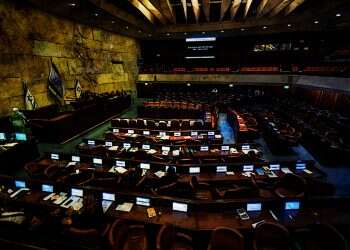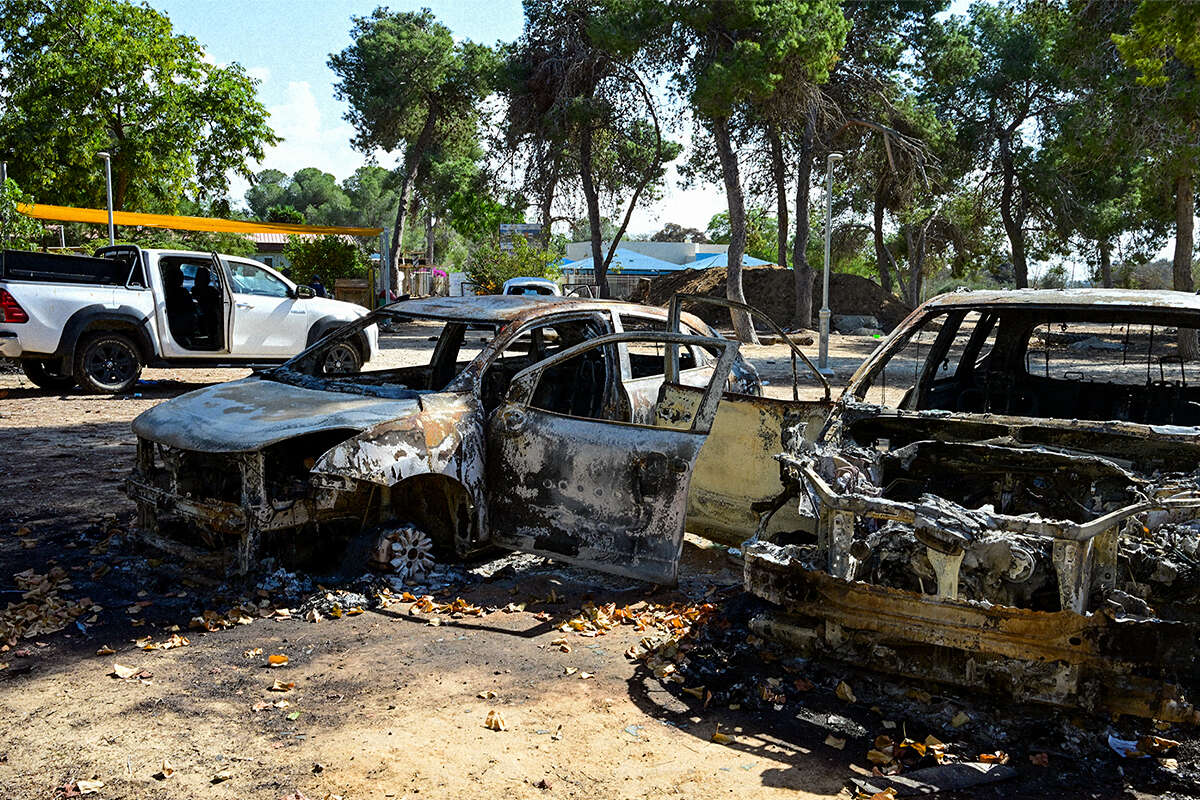
Against the backdrop of warnings voiced in the Diplomatic-Security Cabinet about Hamas activity from hospitals and its intentions to carry out offensive operations, particularly attempts to abduct soldiers, Israel Hayom has learned that a significant gap has emerged between promises made regarding the defense of Gaza border communities and the situation on the ground. Local security coordinators and municipal security officials say the IDF is not assigning troops to defend the communities at the levels promised by Defense Minister Israel Katz, leaving some communities guarded by only a handful of soldiers instead of the required force.
How did the gap emerge? According to local security officials, the IDF says there is no new recruitment, while soldiers cannot be attached from other units. At the same time, troops currently serving in the defense framework are leaving. The result is a shortage of defense personnel, and several communities invaded by Hamas on Oct. 7, 2023, now have fewer soldiers than the force level designated for them.
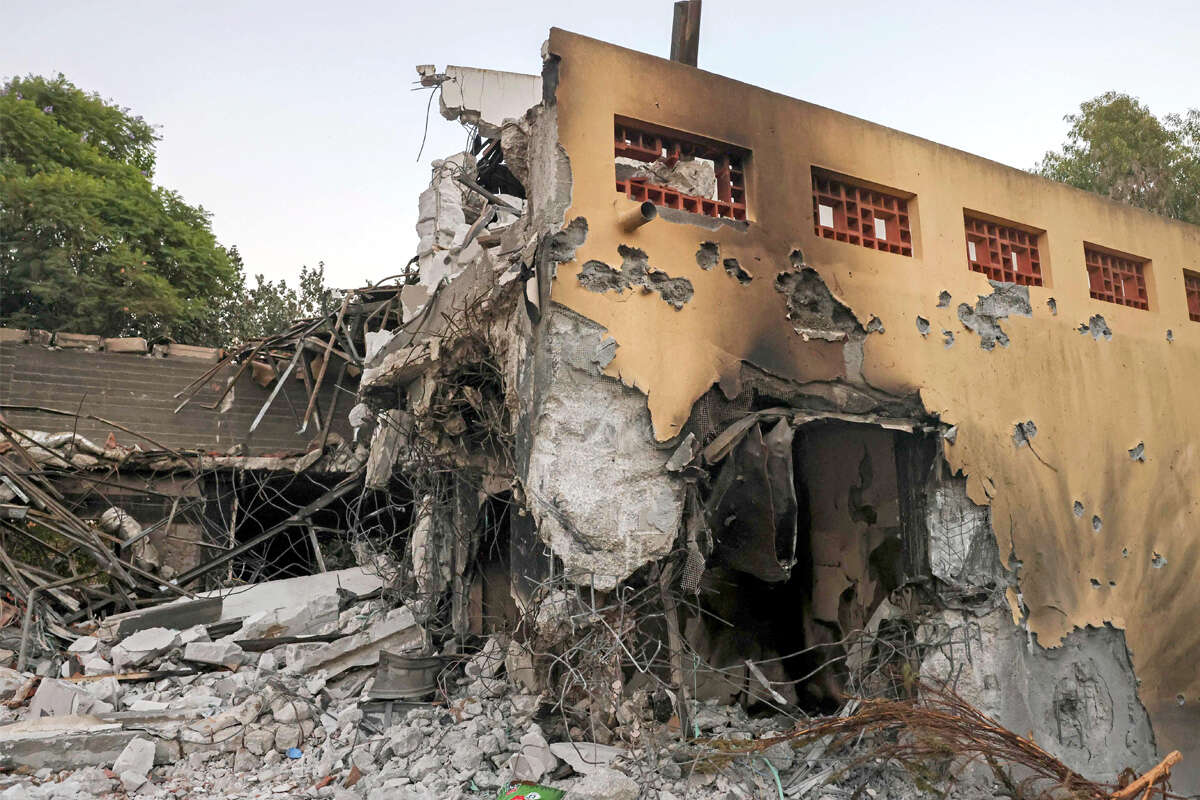
An official in one Gaza border community told Israel Hayom: "Each community is trying on its own to fill the gaps, without military backing and without government support. That has created a very serious shortage in the territorial defense forces in the Gaza border communities. The military is currently not allowing us, in practice, to fill recruitment gaps by attaching troops. Soldiers are being discharged, and no one is coming in to replace them."
The official said a community directly adjacent to the Gaza border fence could find itself facing a severe shortfall compared with the defense force allocated to it, leaving it unable to carry out its defensive missions.
Gap between authorized strength and forces on the ground
Military officials acknowledge that there is a problem with continuing to attach reservists to the territorial defense forces in the various communities. Each community is assigned an authorized complement of defense personnel to protect it during an emergency. The force consists of members of the local standby squad who live in the community and reservists, who are generally attached to the defense unit from other military units.
However, although the IDF Southern Command requested an extension of the attachments for those reservists, as of the time of publication, the IDF Operations Directorate had not yet approved the request.
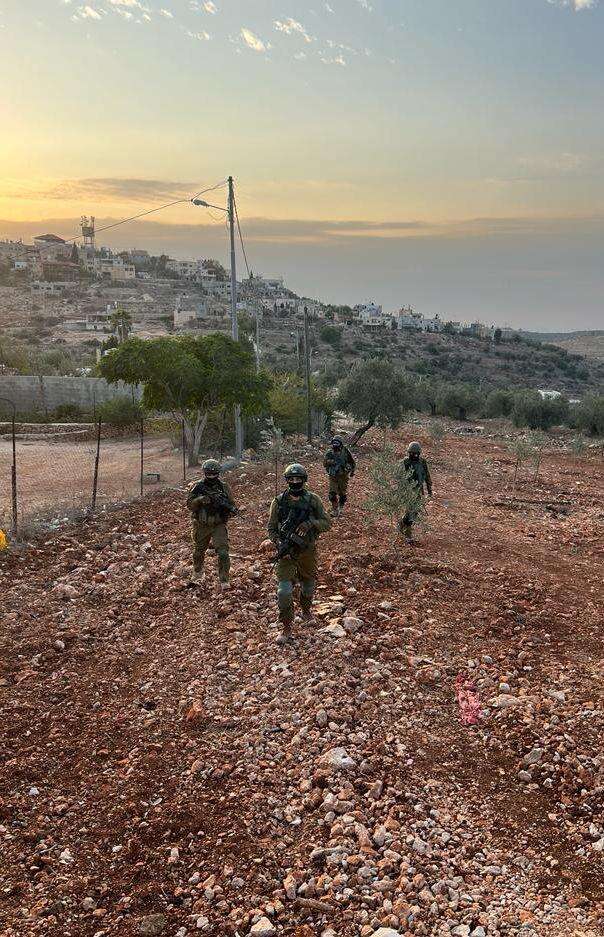
The issue comes against the backdrop of a dramatic reduction in the number of reservists because of the major budget shortfall facing the defense establishment. The Finance Ministry has made it difficult to transfer some 40 billion shekels needed by the defense establishment for 2025, a gap that the prime minister has also acknowledged.
But given the warnings delivered in the cabinet only overnight between Sunday and Monday regarding Hamas' motivation to carry out terrorist attacks, the shortage is particularly significant. Gaza border communities are warning: "We cannot accept a reality in which the defense system protecting the Gaza border communities is quietly being eroded."
"We cannot return to a reality in which warnings from the field go unanswered"
Adir Segev, head of the Emergency and Security Division at the Sdot Negev Regional Council, told Israel Hayom: "We are warning of significant erosion in the defense forces allocated to Gaza border communities, to the point of a severe gap from the authorized force level set for the defense mission in one of the communities. Soldiers are being discharged, there is insufficient ability to recruit replacements, and the solutions currently being provided are inadequate. After Oct. 7, we cannot return to a reality in which warnings from the field go unanswered."
"Our responsibility is to raise the alarm about the gap before an incident occurs, rather than explain afterward why we did not deal with it in time," Segev added. "I expect the IDF and the defense establishment to provide an immediate response and ensure that the defense forces in the Gaza border communities meet the authorized levels set for them. Residents' security cannot depend on whether a force happens to be available at any given moment."

Yishai Spaz, a member of the standby squad in Moshav Yated and a member of the Israel Envelope Forum, also warned: "The residents of the Gaza border area have returned to live alongside the danger known as Hamas. We returned home with a clear promise that the State of Israel would dismantle Hamas rule and remove the threat from the Gaza Strip. As long as that mission has not been completed, the State of Israel and the IDF must not touch a single force in the Gaza border area."
"We learned firsthand what it means to rely on a defensive line," he added. "As long as Hamas is on the other side of the fence, no defensive line is enough for us, neither a yellow line nor a red line. The red line is the dismantling of Hamas rule. Until that happens, we are committed to defending ourselves."
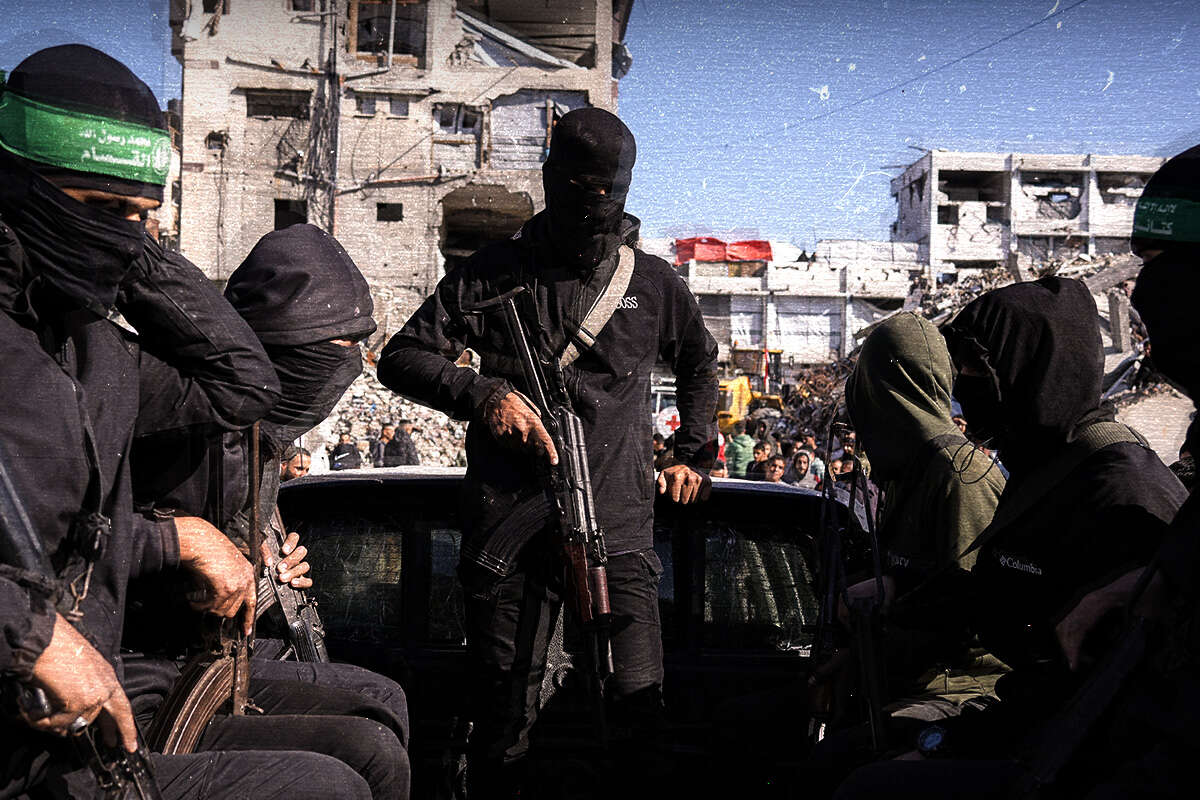
According to Spaz, even today, three years after the massacre, the communities' defensive infrastructure has yet to be completed, either in the core communities or in those closest to the front, and there is no timetable for completing the process.
One way or another, three years after Oct. 7, it appears that the forces defending the Gaza border communities are gradually being eroded, while residents say they are not receiving the security response they require.
The IDF, however, notes that its forces are now deployed deep inside the Gaza Strip, far from the Israeli communities, and that the likelihood of terrorists succeeding in infiltrating the communities, certainly on anything resembling the scale seen three years ago, is extremely low.
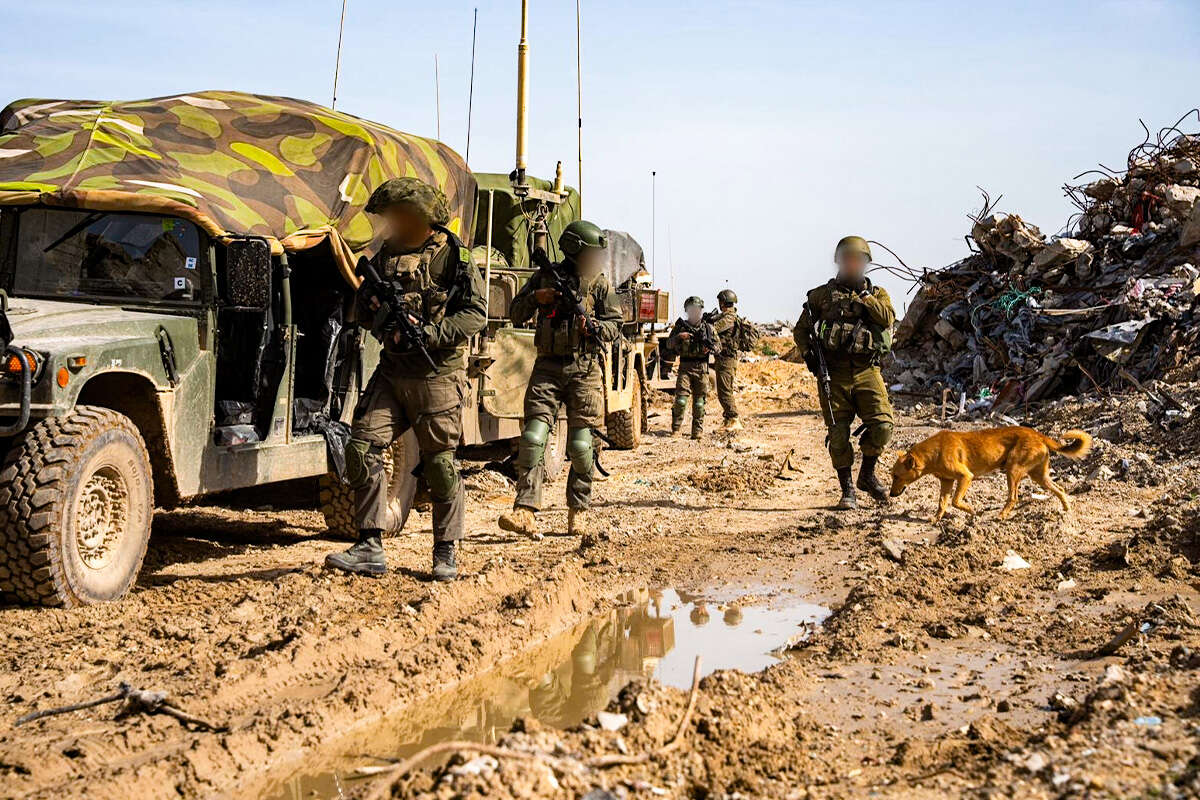
The IDF Spokesperson's Unit said in response: "Since Oct. 7, there has been a significant change in the defensive concept for the communities of the western Negev, including in the status and readiness of defense companies. The reduction in attachment orders across the IDF stems from the need to refine and adjust reserve force allocations in line with operational requirements, while making optimal and maximum use of those allocations and maintaining efficiency and order. There is no reduction in authorized force levels, but rather an adjustment of staffing potential."