At the National Library in Jerusalem, archivists have spent three years preserving every video, photograph, and WhatsApp message from the morning of October 7, even as the Heritage Ministry and the Jewish National Fund (JNF) remain divided over the planned national memorial site for the massacre.
Library staff downloaded videos circulating on Telegram the moment they were distributed, out of fear they would be deleted, and they have kept even the most difficult ones without filtering them. "We don't have that privilege," said Maya Gan Zvi, director of the library's October 7 archive.
"On October 9, 2023, we launched the documentation project for the October 7 attack at the National Library," Gan Zvi said. "We quickly understood that the library had the professional infrastructure and the developed capabilities to handle enormous volumes of material, and we decided to move forward."
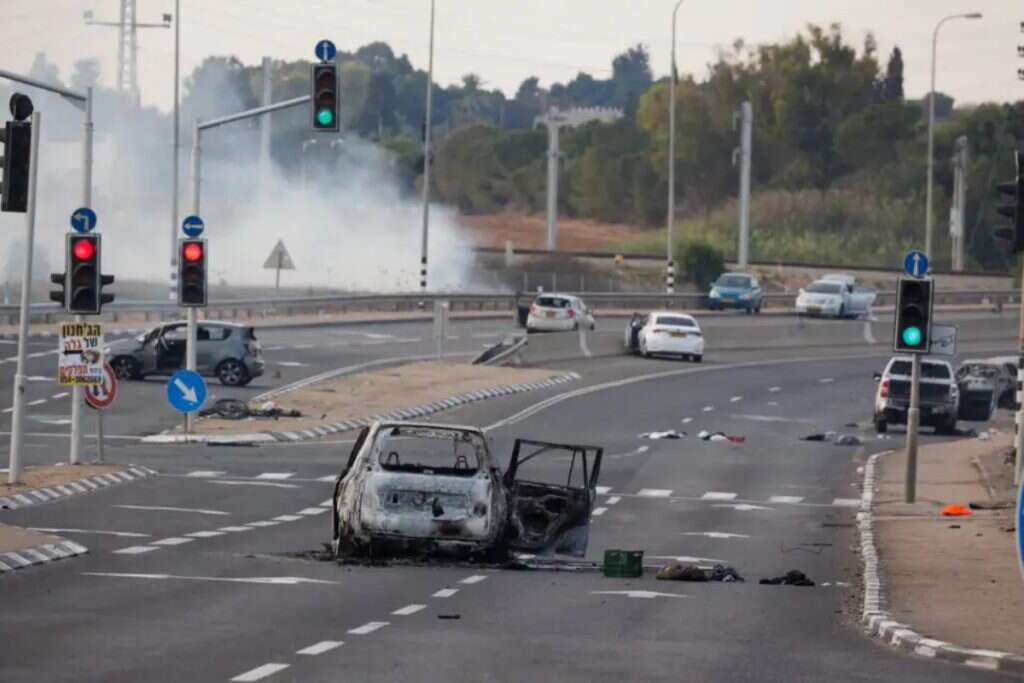
From the very start of the project, the professionals realized they needed to focus specifically on the digital aspect. "As of now, the October 7 massacre is the most documented terror attack in the world," Maya explained. "That's why we understood we had to start collecting everything created digitally, both what survivors and victims produced during those terrible days, and what the Hamas terrorists who invaded the country created."
The library's professional staff quickly realized they were in a race against time, since the exchanges on various social networks, the videos uploaded to them, and the photos people sent each other could disappear from the digital space at any moment. "We downloaded the horrifying videos that circulated on Telegram, for example, immediately after they were distributed. Who knows if they would be deleted the next moment? We collect the hardest videos, everything, without filtering. We don't have that privilege."
At the same time, the library began collecting WhatsApp conversations, some of which started disappearing from cellphones after a few months, security camera footage, recordings, and every piece of digitally created information that can be preserved for future generations in national archives. "The purpose of building a national archive is one, creating a single place where all the material will appear, which will make it possible to connect the information gathered from every digital platform."
Driven by the desire to advance this goal, the library made clear that the national institution needed to build partnerships with "civilian" documentation initiatives and organizations that had begun the work on their own, in order to create one project under a single roof. "We started working with the Zikaron 710 nonprofit, which collected WhatsApp conversations, and with Edut 710, which filmed survivor testimony videos from the massacre. We also partnered with Yad Vashem on everything related to oral testimony, since they specialize in that area when it comes to Holocaust remembrance."
"One of the characteristics of digital material is that it can exist in several places at once," she added, referring to the local memorial sites in different communities. "It can be on the websites of large or small communities, it doesn't matter. From our perspective, anyone can create their own memorial site, and we at the library fulfill our professional role as required by law, documenting Israeli society, Israeli history, and the Jewish people. Collection, preservation, and accessibility are all part of our job."
Still, even years from now, some of the material will not be able to be fully exposed to the general public, due to its difficult content. "Our main challenge is the fact that this is material documenting trauma," Maya explained. "We are still in the process of manually decoding and reviewing the material. We are not allowed to violate anyone's privacy in the material, and we also don't want to release material that is too difficult. Slowly, we are releasing what has passed rigorous review, but we know that much of the material will not be made accessible to the general public, certainly not in the coming years. On the other hand, if investigative bodies of various kinds need the material for specific purposes, they can certainly reach out to us." The same goes for families, and it isn't far-fetched that some civilians will also use certain material for international advocacy.
Everyone can take part
Three years into the process of gathering material, the teams working intensively know the road ahead is still long, and that they will never manage to capture everything from that terrible morning.
"Everyone can take an active part in building the archive, and anyone who has material in hand can deposit it with us, and we urge them to do so. Some people went down to the western Negev to volunteer and help, others went to fight on the ground, photographers and journalists documented the area, and security force members took photos in the kibbutzim. A national archive means partnership from everyone, and we are making every effort to keep the collection as broad as possible. We understand that for some people, depositing the material now is complicated. We will still be here in a decade to receive it."
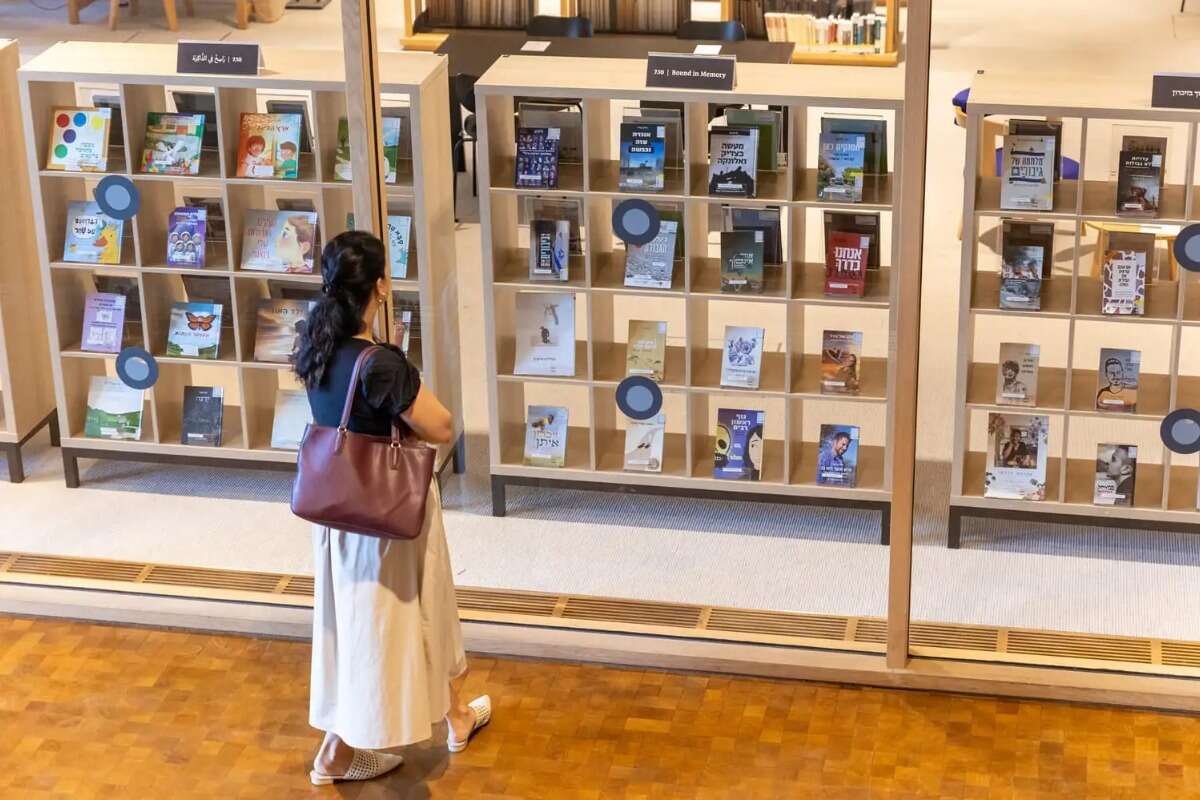
These days, the library in the capital is presenting an exhibit of memorial books written about the fallen and the murdered, as well as a three-dimensional model of the Gaza border communities, alongside digital material from the October 7 archive, so that the information displayed there (which also appears in a separate tab on the library's website) can be connected to the geographic map.