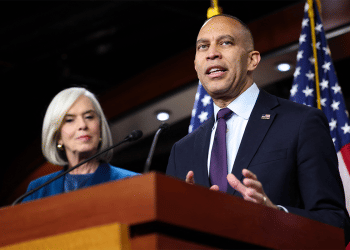
Despite weeks of calm, the Pentagon is drafting Iran strike options at the White House's request, for possible use before the midterms, The Atlantic reported Wednesday, citing two administration officials. Officials say the goal is lowering gas prices and showing progress before voters decide, even though backers admit limited action alone wouldn't bring Iran to the table or ease prices. "It would make the president look like he got a win and that gas prices would start going down," a Republican familiar with the talks, granted anonymity by The Atlantic to discuss sensitive matters, said.
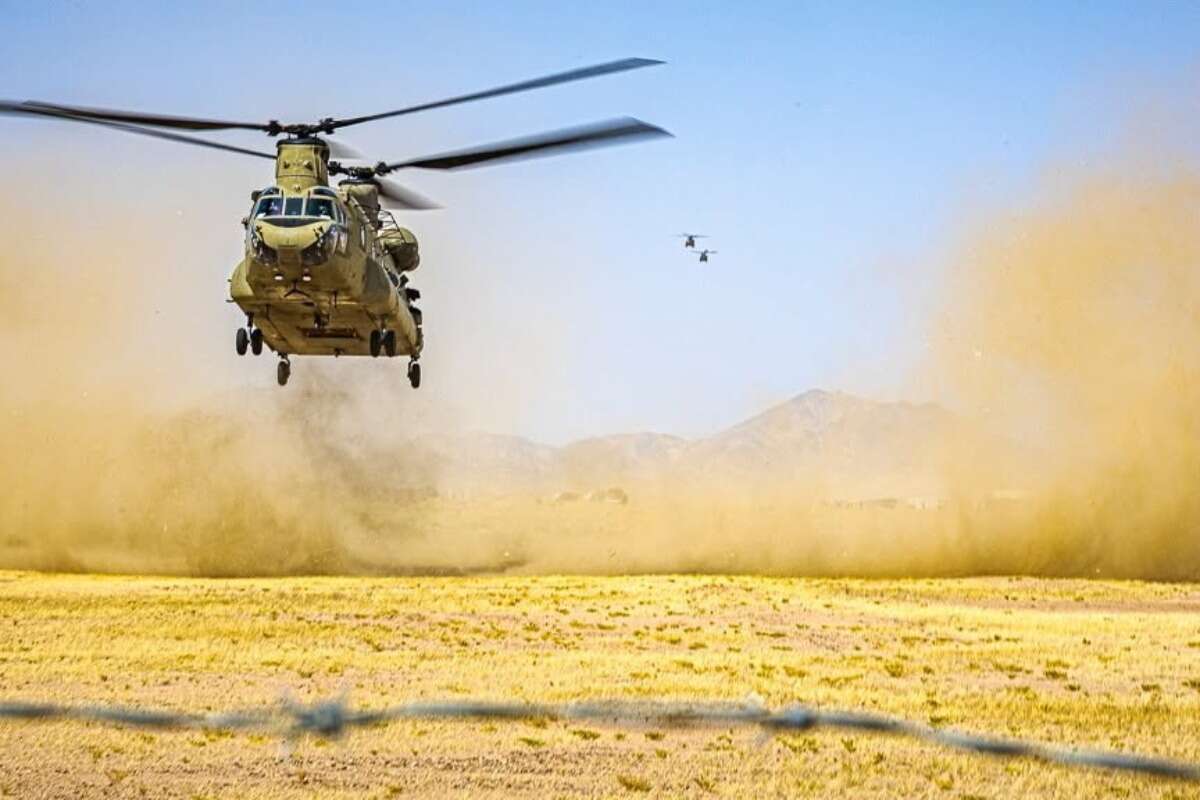
A wider campaign would expose roughly 50,000 US troops and Gulf allies to Iranian retaliation and drain munitions stocks further. Crude prices typically rise once US strikes resume, the Energy Information Administration has found, undercutting hopes of relief. "Military action has done nothing to drive down oil prices; in fact, it has done the opposite," Will Walldorf of Wake Forest and Defense Priorities told The Atlantic. "And if this is an attempt to rally the Republican vote, how does that make any sense given how unpopular this war is?"
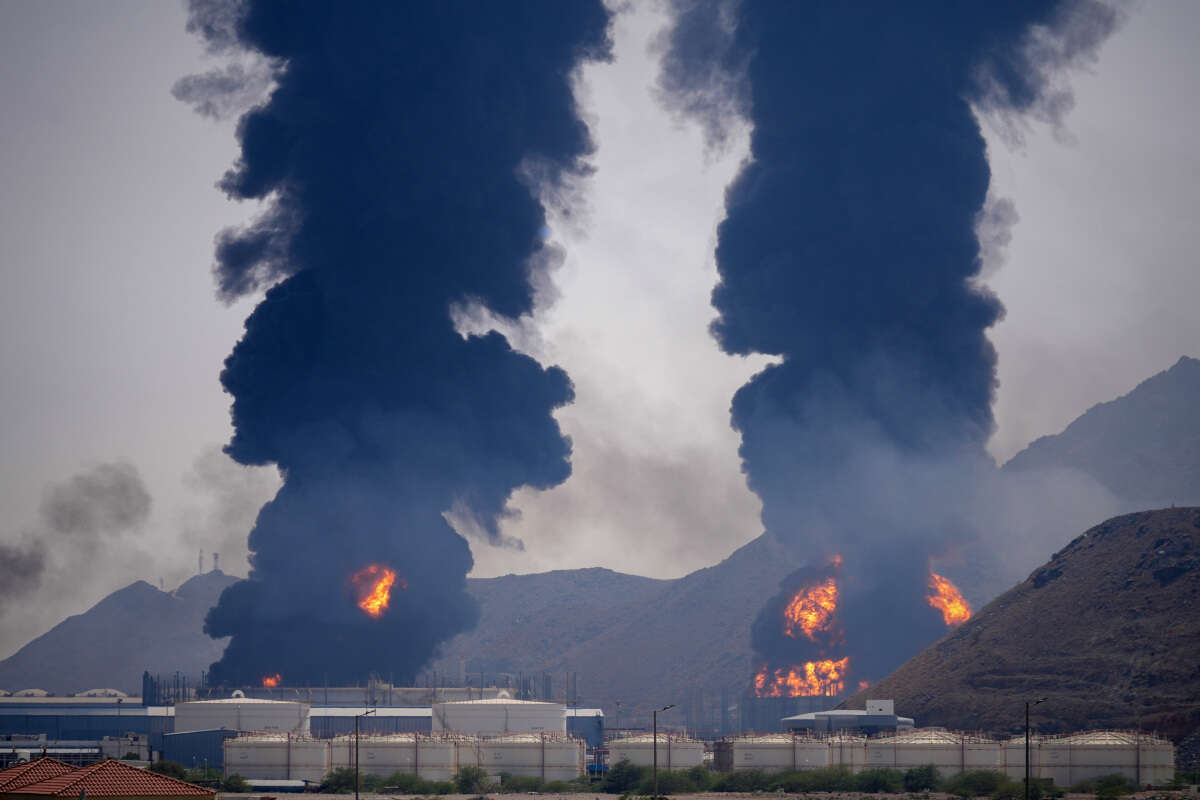
Trump has repeatedly floated post-election strikes, telling the UN last month the US would "annihilate the Islamic Republic" without a deal, and telling Time magazine "we've been stocking up for the last six months." Last week he predicted victory "right after the election," adding, "Maybe before the election." Republicans worry the war is hurting their midterm chances; Ken Paxton has told donors gas costs are "by far our biggest problem," Axios reported.
The Pentagon has given Trump post-midterm options while CENTCOM readies pre-election ones too. A White House official said Trump "has all options available at any time," adding "things will go one of two ways; the easy way or the hard way." Oil has hovered near $100 a barrel after peaking near $118 in spring, and gas now averages $4.37 a gallon, AAA says, despite Iran's continued strikes on shipping through Hormuz.
Washington is pursuing both pressure and diplomacy at once, even as it pulled bombers from Britain this week over a possible Iranian threat, which Tehran denies. "Iran is watching the calendar and knows the election is coming," an adviser told The Atlantic. "And they want to stick it to the president." Officials call Tehran weaker than ever, though hardliners still hold sway, and some around Trump believe even they may soon face pressure to compromise.