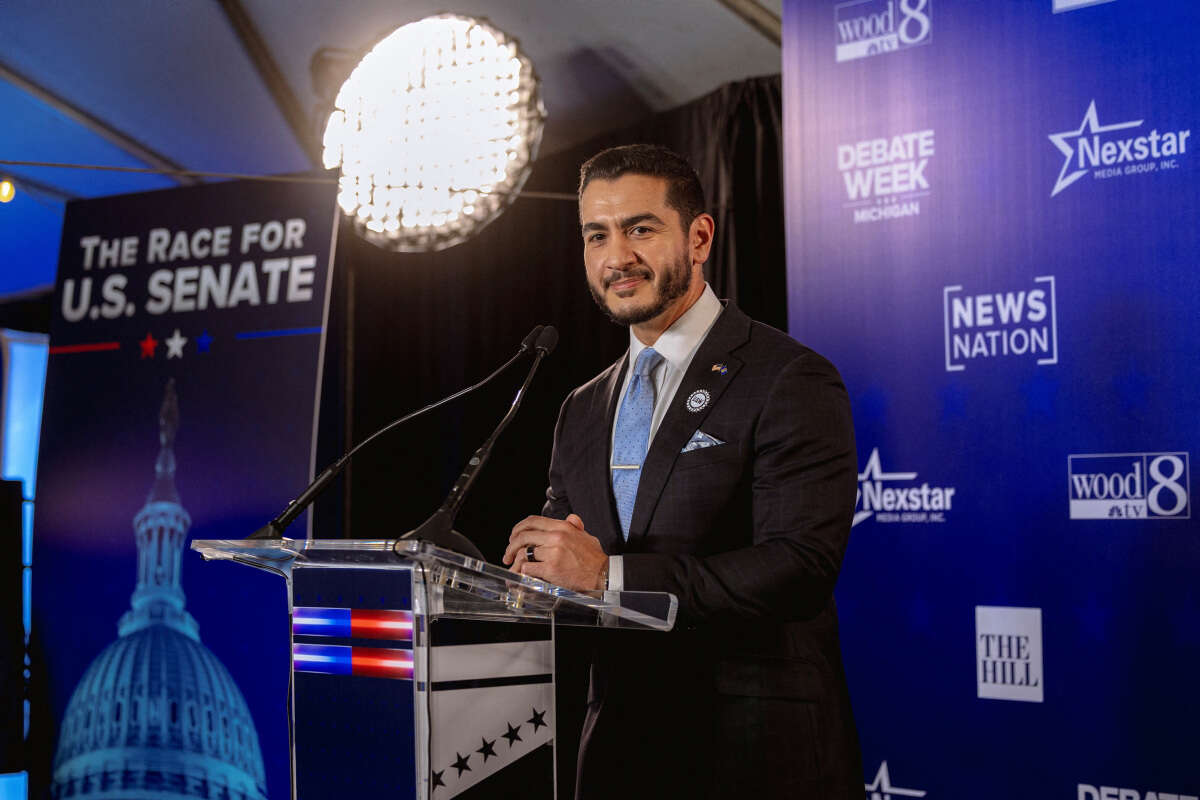
Republican Mike Rogers and Democrat Abdul El-Sayed swapped personal attacks and accusations during a heated Michigan US Senate debate on Thursday night. The war in Iran and US support for Israel were key issues in the clash between the two men, Fox News reported.
Ahead of November's closely watched election, the two candidates faced off onstage for the first time in Grand Rapids.
El-Sayed couldn't say if Iran or Israel is a bigger threat to America— then he called it a dumb question https://t.co/PpEtpphMwY
— Leland Vittert (@LelandVittert) October 8, 2026
Questioned on whether he would support providing defensive weapons to Israel if Iran or another state actor attacked the country, El-Sayed indicated he would not. He also reiterated his opposition to using American taxpayer dollars to fund foreign militaries.
"I don't want our tax dollars buying weapons for other countries. I don't know what's so hard about that," El-Sayed said. "I think both of them have proven dangerous in their own way. One at risk of attacking us, one getting us into wars we have no business fighting," El-Sayed added, speaking about Israel and Iran.
The moderator pressed El-Sayed repeatedly on the point. He still declined to say whether Israel or Iran posed the greater threat to the United States.
Rogers took the opposite position. He indicated he would support providing defensive weapons to Israel and reiterated his support for the Jewish state. Rogers also repeatedly accused El-Sayed of having connections to individuals and organizations supportive of terrorist groups. El-Sayed contested the allegations.
The candidates also parted ways on ending the war. At issue was whether it could conclude if Iran still maintained the ability to produce a nuclear weapon and continued to exert control over the Strait of Hormuz.
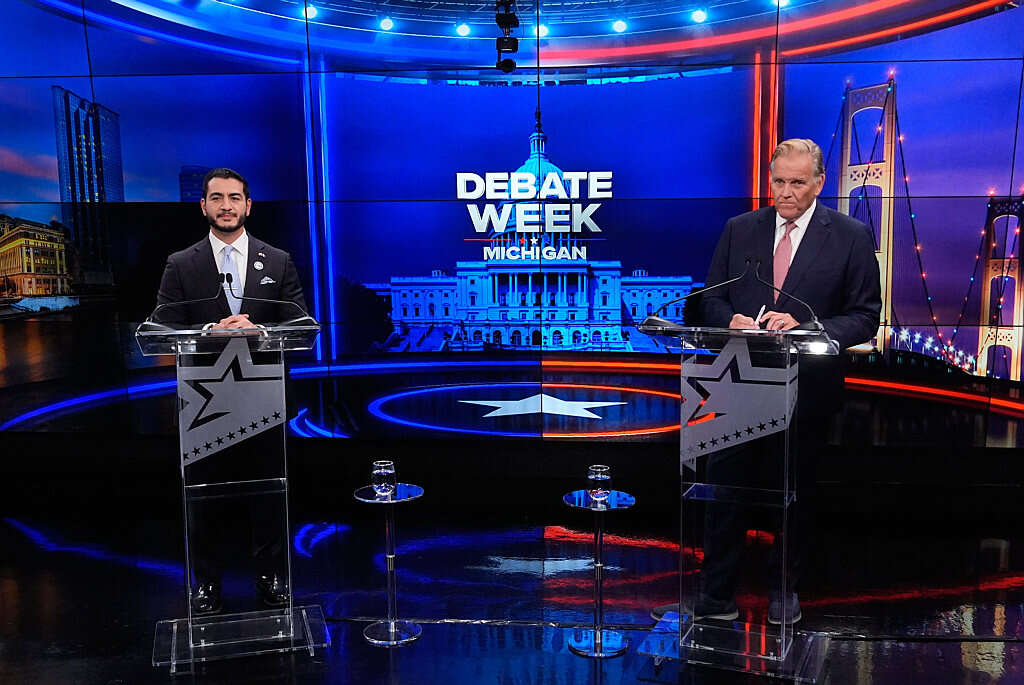
El-Sayed argued that diplomacy could resolve the conflict even if Iran retained the ability to produce nuclear weapons. He blamed the conflict for rising gas prices and accused Rogers of supporting an unnecessary war.
For his part, Rogers argued that Iran's nuclear capabilities had been significantly diminished and said the war should end, maintaining that Iran could not be allowed to obtain a nuclear weapon.
Despite weeks of calm, the Pentagon is drafting Iran strike options at the White House's request, The Atlantic reported Wednesday, citing two administration officials. Officials say the goal is lowering gas prices and showing progress before voters decide, even though backers admit limited action alone wouldn't bring Iran to the table or ease prices. "It would make the president look like he got a win and that gas prices would start going down," a Republican familiar with the talks, granted anonymity by The Atlantic to discuss sensitive matters, said.