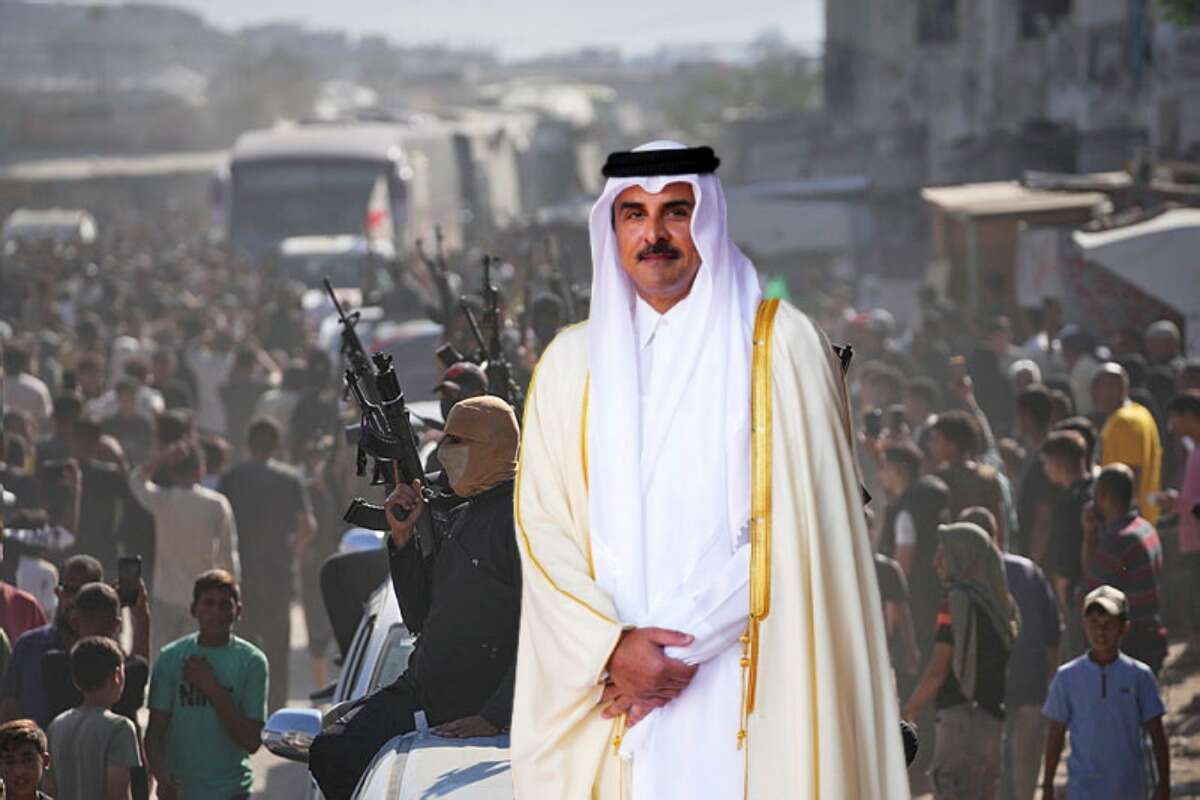
New figures show Qatar transferred more than $100 million in fuel, food, tents and infrastructure aid to Gaza throughout the war, all while serving as Hamas' chief diplomatic benefactor.
Throughout the war and its ceasefires, Qatar mediated hostage negotiations and handed Hamas a global media platform. At the same time, Israel allowed, and continues to allow, the Gulf emirate to infuse the Hamas-run enclave with aid.
Qatari authorities say 30 million liters of fuel reached the Strip between October 7, 2023, and the end of March 2026, with more than 1.3 million additional liters delivered by truck in September alone. The aid moved under an agreement Qatar signed with the UN, whose stated goal was to "support the needs of Gaza's residents and ensure the continued work of aid agencies alongside the operation of hospitals and essential facilities in the Gaza Strip."
The Qatar Red Crescent Society has distributed more than 88,000 meals to displaced families across Gaza at a cost of $489,016, and says it plans to spend another 16.5 million Qatari riyals (approximately $4.5 million) on food supplies. Other humanitarian projects have absorbed hundreds of thousands of dollars more. Last summer, Qatar led a rubble-clearing operation covering hundreds of homes, working alongside Hamas mechanisms, while a separate initiative drilled and maintained more than 30 water wells. In 2025, Qatari authorities announced plans to allocate more than 88,000 tents, enough to house roughly 436,000 Gazans.
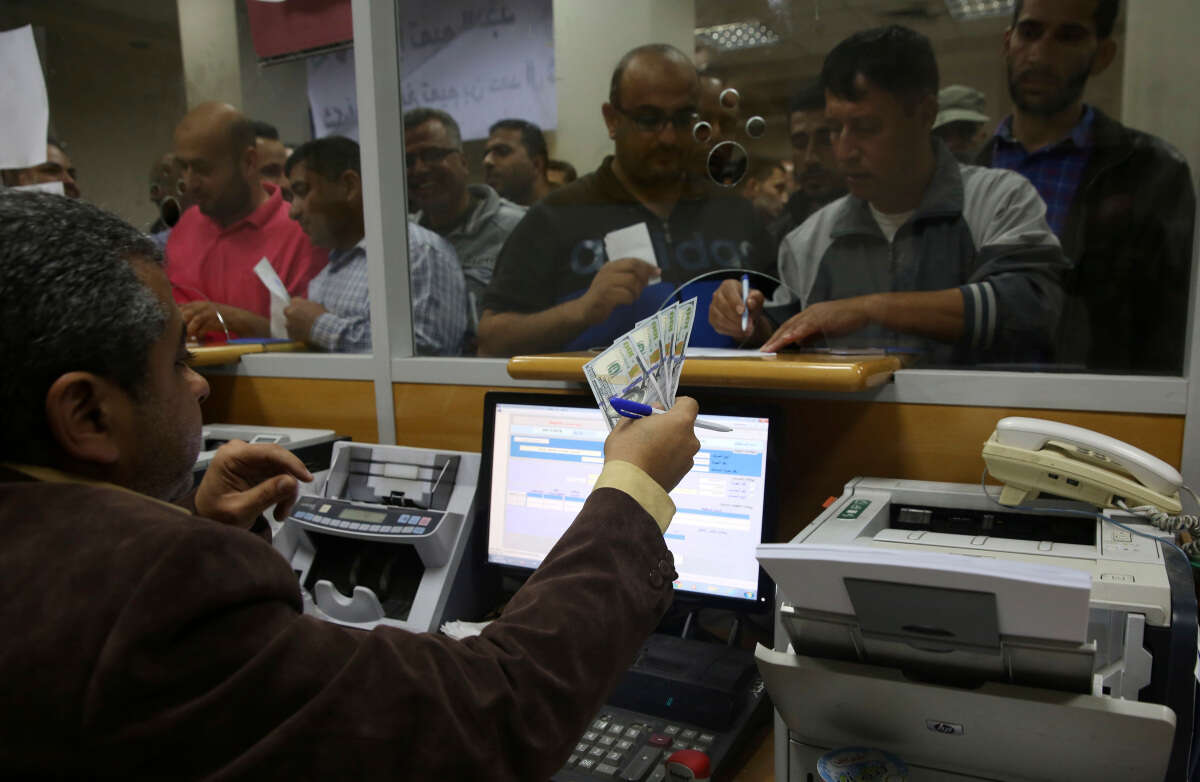
During Ramadan in February 2026, Qatar handed out more than 80,000 food baskets along with 300,000 clothing and winter items. That same month, Doha unveiled an infrastructure project with Hamas-affiliated "local authorities" in Gaza, under which engineering crews, working through private contractors with bulldozers and heavy equipment, cleared rubble from roads across the Strip.
The pipeline has run since the war's earliest days. On October 18, 2023, the Qatar Red Crescent Society delivered medicine and medical supplies worth 729,000 Qatari riyals (approximately $200,000) to hospitals under Gaza's Hamas-run Health Ministry. A year later, the Qatar Foundation (Qatar's state charitable body) revealed it had raised roughly 114 million Qatari riyals (approximately $30 million) through a fundraising campaign launched in October 2023. Qatar also shipped more than 1,000 tons (1,102 US tons) of aid to the Egyptian city of El-Arish aboard 97 flights, later routed into the Strip.
By October 27, 2025, Yousef bin Ali Al-Khater, chairman of the Qatar Red Crescent Society's board, said the group had completed more than 50 projects in food, water and shelter since the war began, at a cost exceeding 200 million Qatari riyals (approximately $55 million).
Qatar's footprint in Gaza predates the war entirely. Through the Qatar Committee for the Reconstruction of Gaza more than $1 billion flowed into the Strip over more than a decade. When the war's first ceasefire took hold in November 2023, an official Qatari delegation visited Gaza led by Minister Lolwah Al-Khater, the same official who later praised Hamas military chief Mohammed Deif once Hamas confirmed his death.
Officially, the money has gone toward food, shelter, medical supplies and infrastructure rehabilitation, a mission that drew broad international support and rested on an Israeli assumption that meeting the population's basic needs would stave off a humanitarian crisis while military pressure continued. But as in past conflicts, some of that money has indirectly benefited Hamas. It freed up the group's own budget and relieved it of responsibility for civilian needs, while equipment and supplies reached its operatives directly. Other countries have sent aid too, but none have doubled as Hamas' patron the way Qatar has, fueling concern that humanitarian cover has also financed direct terror activity.
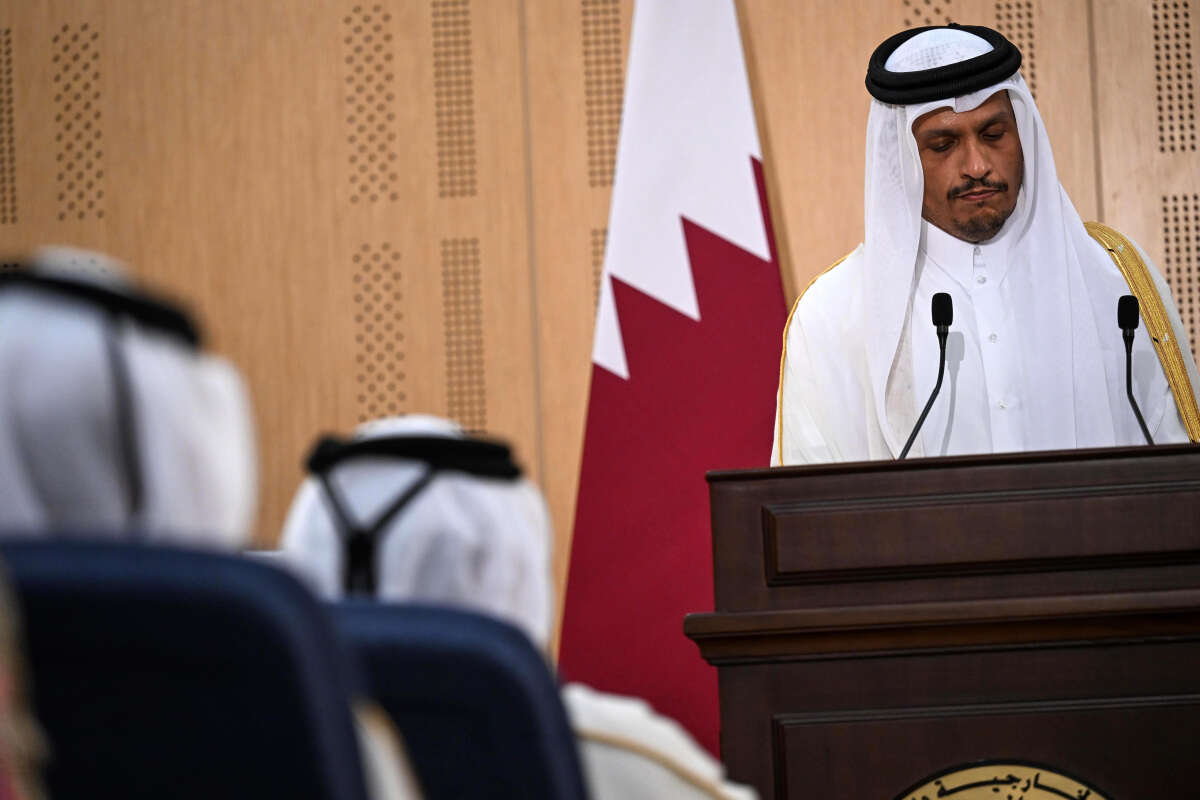
For most of the war, Israel did not block Qatar from preserving its hold over Gaza, even as other states and organizations got involved. Qatar's influence, as Hamas' money supplier, has shrunk somewhat since before the war, but it has hardly disappeared. Doha never left.