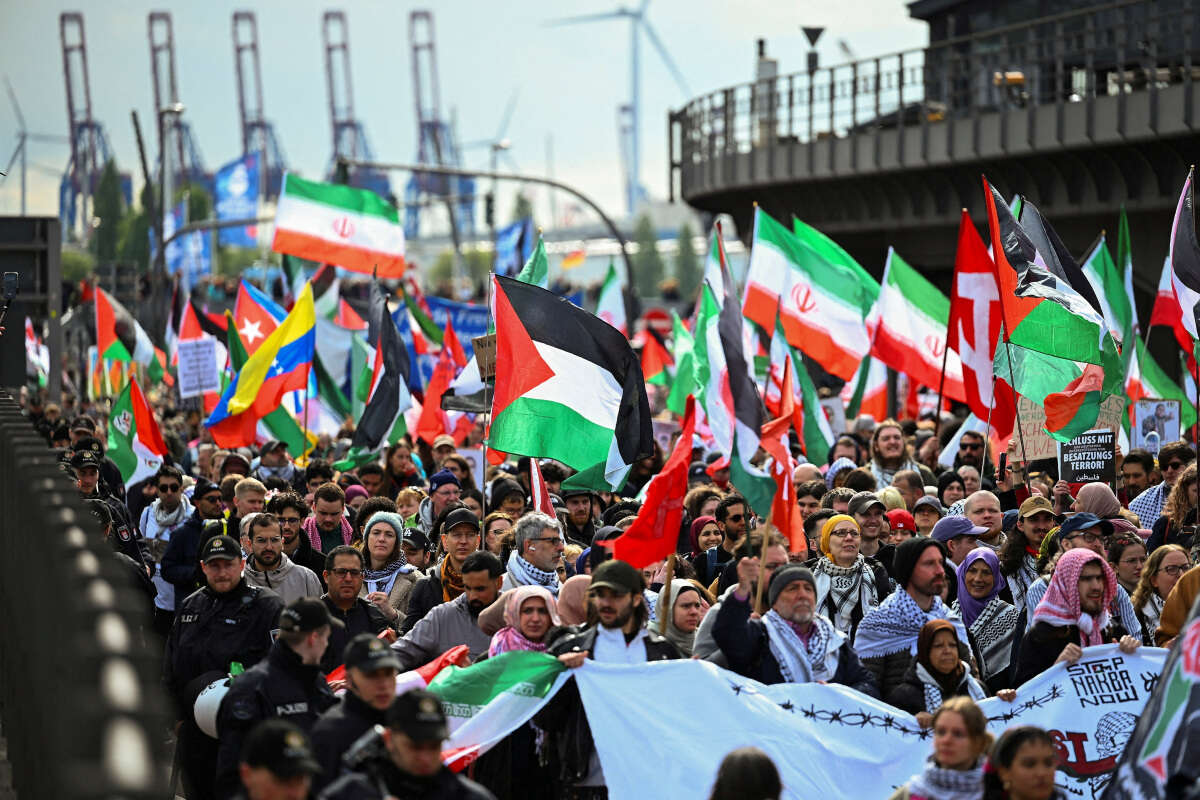
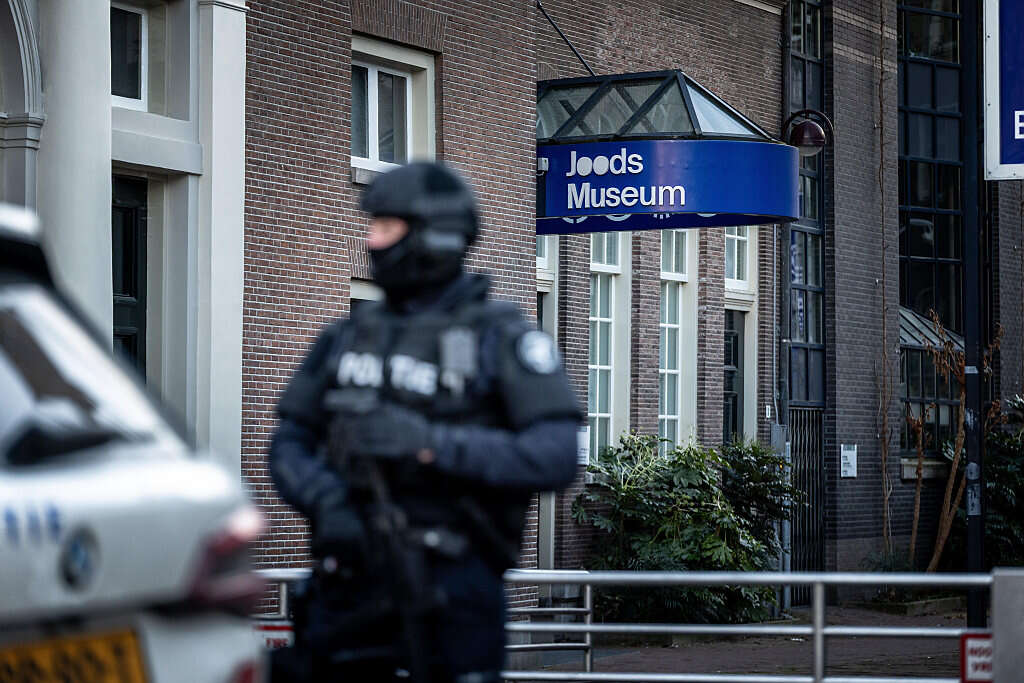
Three years after the October 7 attack, the ripple effect that spread far beyond Israel has left Europe more volatile than ever. Antisemitism has reached an all-time high. Anti-Israel protests across the continent have spiraled out of control, leaving a trail of destruction. Jewish appearance now marks people as an easy target. Every effort and multi-stage plan to address the social rift has failed decisively.
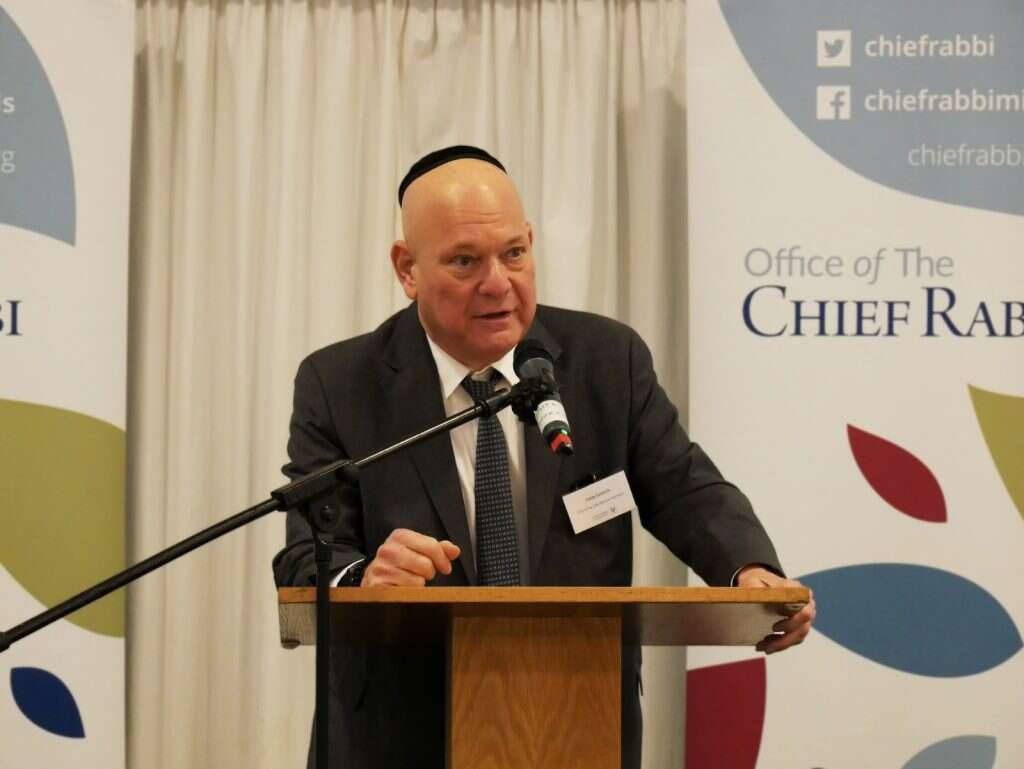
Despite the enormous funding the European Union has allocated to combating antisemitism, the Conference of European Rabbis (the main body representing EU Jewish communities) concluded it needed to take matters into its own hands. Shortly before a Rosh Hashanah celebration held in Munich, attended by more than 100 EU officials, European Commission representatives, and members of parliament, the Conference of European Rabbis presented a new manifesto for fighting antisemitism, a response to the sense of insecurity among Europe's Jewish communities: a seven-point work plan whose goal, according to Gadi Gronich, CEO and chief of staff to the president of the Conference of European Rabbis Foundation, is "to move from the stage of talking to the stage of action."
The European Union regards the Conference of European Rabbis as the main organization representing Europe's Jewish communities and its interests before EU institutions on issues of religious freedom, the fight against antisemitism, and promoting Jewish life on the continent. Despite the close relationship with the EU, which Gronich calls "our loyal friends," the problem lies in implementation.
"Are things changing because we have a nice relationship with the EU? No"
"We have a good personal relationship with the decision-makers at the EU. They listen to us, they invite us, we invite them, they come when we invite them. But if you're asking whether things change just because there's a nice, positive relationship and all that, then no," Gronich explained. "The EU, which accepts what we say and supports, at least verbally, what we think and say, doesn't have the power to influence. It's important that the EU give its blessing from above. It can recommend; it can set a direction. But it can't force member states to do this or that. In practice, the ones who can bring about the real change we'll actually feel are the local governments," he stressed.
And so Europe's large Jewish lobby doesn't just sit on the sidelines. It raises issues with EU officials and local government ministers alike. These are issues that naturally concern Jewish communities, but in the bigger picture, they speak to the broader direction of life in Europe too. One of the issues occupying the attention of European heads of state, including those outside the EU such as Britain, is, of course, the Muslim Brotherhood.
"We established a subsidiary organization called IFFSE, the Institute for Freedom of Faith and Security in Europe. The organization's work combines research and action," Gronich said. The organization's work revolves around two main issues, interfaith dialogue and security.
"One of the things we've dealt with very intensively is the Muslim Brotherhood issue. We now have material on the Muslim Brotherhood's activity in Europe, including money laundering, and the identities of the people actually wielding influence, who the key figures are in Europe, how money flows from point X to Europe, and how their involvement in European politics plays out," he stressed. "For four years I've been trying to pass this on to security officials in Germany and in Europe generally," he said, noting he had raised it with senior officials directly involved in the matter at the European Commission's Directorate-General for Migration and Home Affairs. "No one wants to take it."
Q: What's the response?
"They always told me, 'We'll check it out, we'll get back to you.' No one ever got back to me. I'm in touch with these people all the time. One of my most recent conversations was with a member of the German government. We have a good relationship, not just official but personal too. We sat at the most 'in' café in Munich, and I raised the issue with him again. I bring it up when I can to see if maybe it'll finally click for someone. So he tells me, 'Gadi, I'll tell you why no one wanted to take this on. Look at the patio outside, people sitting, enjoying themselves, eating lunch, everything's fine. The moment we go deep into this issue and run the checks we'd need to run, no one will be sitting here.'"
Another issue the organization has raised is the religious leaders in Europe's Muslim community, the imams. Given numerous cases of radicalization in mosques, especially among the younger generation and against the backdrop of the October 7 events, this issue has also been studied by IFFSE.
"Today in Germany, roughly 2,400 imams are working. Of those, close to 2,000 receive a salary paid by Turkey's Ministry of Culture," Gronich said, noting the figures came from official sources within the German government. To prevent the importing of imams and to train local religious leaders with European values, Gronich described a concept developed together with "influential Islamic figures" in Europe, in his words.
Though an agreement was signed between Germany and Turkey in December 2023 to reduce the import of imams from Turkey and train imams locally in Germany, in order to prevent foreign countries from influencing the country's Muslim community, Gronich deems the initiative worthless. Under the terms of the agreement, graduates of Turkish faculties will come to Germany for training through a special visa program, rather than local religious leaders undergoing training. Under the agreement, roughly 100 imams were supposed to be trained in Germany each year. In practice, according to information on the DITIB (a Turkish-affiliated Islamic organization in Germany) website, the projected figure is around 75, with 28 imams completing training in 2024 and 34 in 2026. "This entire institution that was established is a pretext," Gronich said.
"The idea was to establish an institution to train imams in Europe to prevent this importing, training Muslim students who speak the local language, who adopt European values and democracy," he explained the concept of the alternative proposal. "We managed to get five European universities on board, so that the training would be an academic part of the curriculum, meaning a student completing the program also receives an academic degree, and can then decide whether to pursue an academic track or community work.
"We submitted this to whoever needed to receive it. It's not our project, of course. We're the ones who pushed it forward out of our own interest, but what the EU needed to do was take it out of the drawer, review it, fix it, and put it into action. It's been sitting in drawers at the European Commission in Brussels for four years already," he said.
More shepherds than sheep
By contrast, the fight against antisemitism is prominent on the EU's agenda, especially with the appointment of the EU's coordinator on combating antisemitism and fostering Jewish life, a post Katharina von Schnurbein has held for a decade. In June of last year, she visited Israel and gave an interview to Israel Hayom, saying that "the line between antisemitism and anti-Zionism is artificial," and that the understanding that anti-Zionism can hide behind antisemitism is also written into the EU's strategy for combating antisemitism and fostering Jewish life, a central point of debate in the context of the fallout from Hamas' October 7 attack. Still, according to Gronich, this hasn't trickled down to the ground level.
"Yes, the EU, or Europe's political class generally, even when it's critical of this or that Israeli government policy, both before and after October 7, still tries to do a lot, I won't say everything, to preserve Jewish life in Europe. Katharina is one of the better examples, but today in Europe there are countless Katharinas. In every country, every city, every organization, there are already more shepherds than sheep in this story.
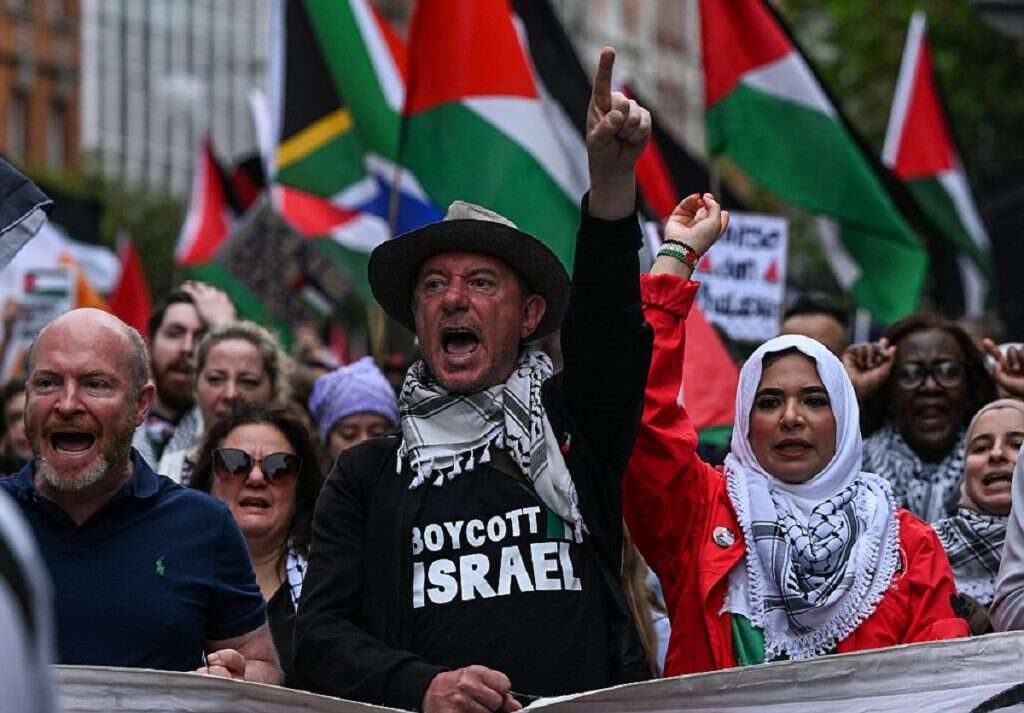
"Our problem right now is less the political level; it's more what the street understands, or wants to understand," Gronich stressed, referring to the rising anti-Israel sentiment accusing Israel of intentional genocide in Gaza, and its severe consequences.
Just last week, at a screening of the documentary "NAZA," made by Israelis Yuval Abraham and Rachel Szor, which claims Israel had a deliberate intention to harm Palestinian civilians in Gaza during the Iron Swords War, audience members hurled offensive remarks at October 7 massacre survivor Sabine Taasa, whose husband Gil and son Or were murdered by Hamas in the attack. Taasa, who attended the screening to criticize the film for failing to show the Hamas assault on Israeli civilians that led to the murder of her son and husband, was met with comments from the crowd including, "nobody cares," "Hitler should have finished the job," and laughter when she described her loss.
"If you criticize Ben-Gvir, you're not antisemitic"
"The street translates the EU's and European decision-makers' criticism of the Israeli government differently, and lumps us into the same package. The street uses it to express criticism of us and to attack us," Gronich explained. According to him, responsibility for this spillover is twofold, falling both on European leaders and, in the same breath, on Israeli leaders.
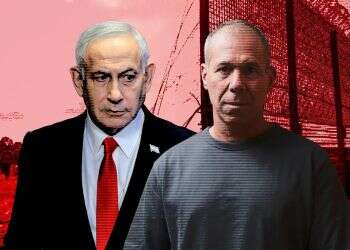
"The EU interior commissioner, who is actually the deputy to [European Commission President] Ursula von der Leyen, came to visit us at our office in Munich. I told him, 'When you criticize the Israeli government, not the public, you need to be careful. These are two different things. What I'm demanding of you, and not asking, is that you send a clear message that Jews living in Europe don't represent the Israeli government. We have no ability to push things in one direction or another. You're allowed to criticize Israeli politics, and when you criticize statements or decisions by the Israeli government, you're not antisemitic. I'm also allowed to criticize the German chancellor, and I'm not anti-German. And if you criticize [National Security Minister] Itamar Ben-Gvir, you're not antisemitic, because Ben-Gvir doesn't understand the damage his statements do to us here.'
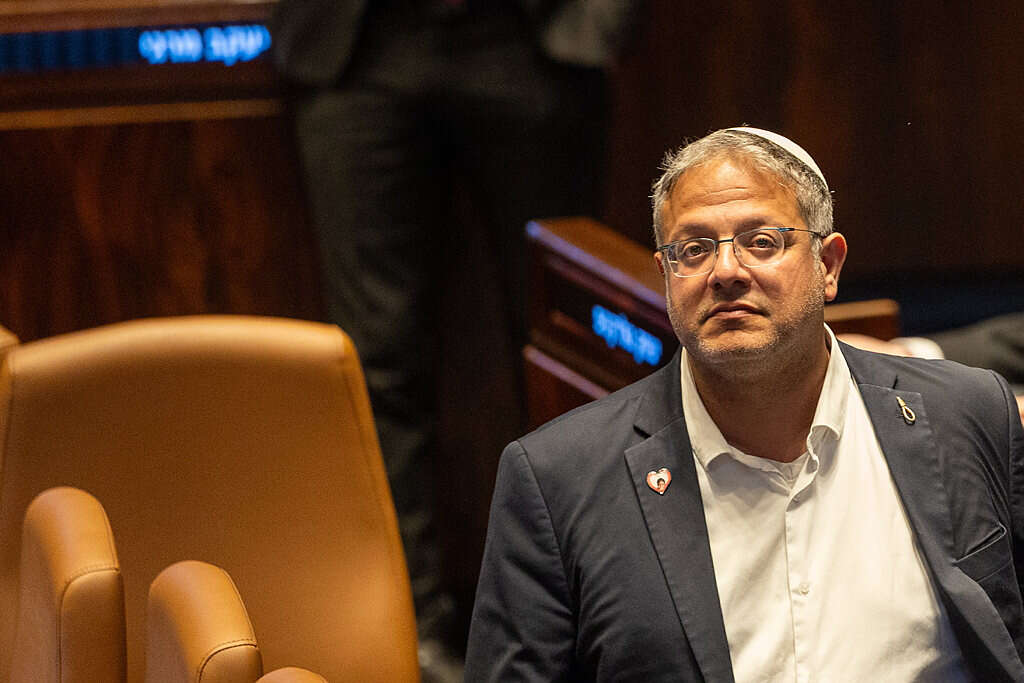
"They're missing a lot of material and knowledge, and if they maybe changed their tone and approach, they'd understand the real reality happening on the ground," he says about European leaders. "But right now, for the public, the Israeli government and the Jews living in Europe are one unit. They don't understand that even if I want to, I have no ability to influence the government. I can write WhatsApp messages to [Prime Minister] Benjamin Netanyahu as much as I want; he won't even read them. He's not at all interested in what we think," he said.
Cutting ties with Israel
According to him, the problem lies in the fact that the average person in Europe doesn't distinguish between Israel and the local Jewish communities. "My neighbor in Munich doesn't understand that I pay taxes here, not in Israel, and that I vote in elections here. I also have an Israeli passport, but not every Jew in Europe does," Gronich said, adding, "I can't blame a German walking down the street, whether I know him or not, for the AfD coming to power," he said, referring to the far-right party that won elections in Saxony-Anhalt. "He's not responsible for that. And I'm not responsible, either, even though I speak Hebrew and was born in Israel and have an Israeli passport, for the statements and actions of the Israeli government."
Q: Can Jewish communities in the Diaspora be separated from the State of Israel? Is that even the goal? Do diaspora Jews not want a connection to Israel?
"They want a connection to Israel, but certainly not most of them. I can't speak for everyone, but some of them have serious reservations and criticism of certain things happening in the country right now."
Q: There's nothing wrong with criticism. The question is whether diaspora Jews want to cut ties with Israel. To not be associated with the Jewish state?
After a long pause, Gadi replied, "It's hard for me to give you a clear-cut answer about cutting ties. I'd say certainly not, but maybe they want more consideration. For example, Minister [Amichai] Chikli held the conference against antisemitism last year. All the Jewish organizations from Europe and the United States boycotted that conference. Why? Because Chikli decided that the right way, in his view, to deal with antisemitism was to align with the European far right.
"Before he reaches out to and meets with far-right leaders in Europe like [Marine] Le Pen, he should have reached out to the heads of the Jewish community in France and told them, 'Friends, I'm going to meet with Le Pen next week. I'd love to hear your views on this. Do you have any issues you'd want me to raise that matter to you?' That didn't happen."
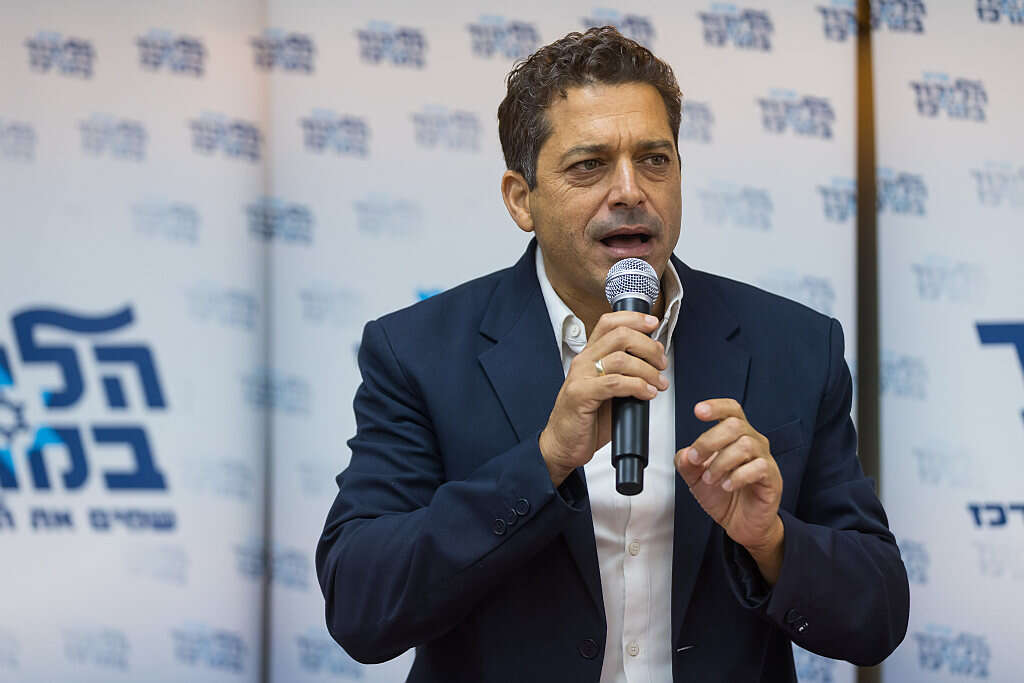
Gronich also addressed statements by Minister Ben-Gvir that caused an uproar overseas. "If you're a minister of the Jewish state, you also bear responsibility for Jews living in the diaspora. You need to stop and think for a second, and understand the harm you could cause the Jewish community."
"We've lost the fight against antisemitism"
Gronich, a German citizen, couldn't avoid addressing the AfD party's election victory and the future implications for the Jewish community given the party's extreme positions.
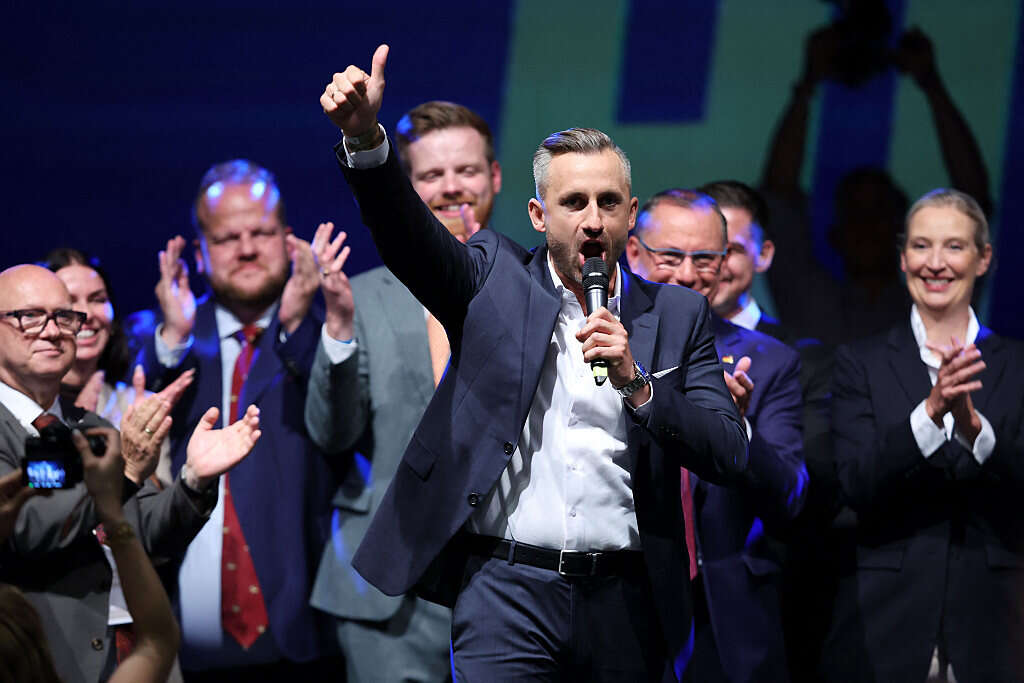
"The presence of radical Islam in Europe troubles Europeans and troubles Jews. Europeans haven't found a solution to it yet. That's the reality. In Brussels I didn't see Belgians. I only saw foreigners. In England you don't see a single Brit. So it's true that right now the AfD's agenda targets radical Muslims. But I'm convinced, and I'm willing to put my name on it, that they'll start with them and move on to us. They deny the Holocaust. They have a problem with Israel. On one hand they're friends with Chikli, and on the other they're calling on the German government not to give weapons to Israel. So excuse me, what's actually going on here?"
The question now is what, if anything, can actually be done. Gadi answered candidly, "We've lost the fight against antisemitism. That's how I feel right now. Now I have two options: either I pack up and leave, except I don't know where to go, or I go down a new path. I'm developing this, with a few other people, to head in a completely new direction, a positive direction, for a change. Not just complaining all the time, not just negativity.
"Nearly two million Jews live in Europe today, of whom about 20% are observant. A typical European Jew's knowledge of his identity, his roots, his culture, the State of Israel, the history of the State of Israel, the history of the Jewish people, is very, very low. He knows he's Jewish because his mother told him he's Jewish. He has no Jewish identity," he explained.
Q: So what's the goal?
"I want to get into this now and give people the knowledge to know more about their Jewish identity. Let everyone do what they want. If someone, as a result, starts becoming more observant, welcome to the club. If someone continues not being observant, that's fine too. I don't want to convince anyone to become religious. I want people to be proud and to know much more about their identity than they know today. I want them to have an interest in their identity, to have recognition and respect for their identity, for the fact that they were born Jewish. Those are the cards you've been dealt; what can you do?" he joked.
To realize this vision, Gronich's first priority is establishing a training program for Jewish educators in Europe, without the need to bring in education staff from Israel, due to language and cultural gaps.
"Today there's no institute to train teachers and preschool teachers in Europe. Teaching staff who come to work in Jewish schools and preschools are imported from Israel, people who in some cases don't speak the local language, don't know the culture, and don't know the mentality. There's a huge shortage of personnel at Jewish educational institutions in Europe. If I look five or ten years ahead from today, I'd want to establish a training institution for teachers, for teaching staff for Jewish preschools and schools, with local personnel, Jews who grew up here," Gronich declared in closing, as Europe's future hangs more in the balance than ever.