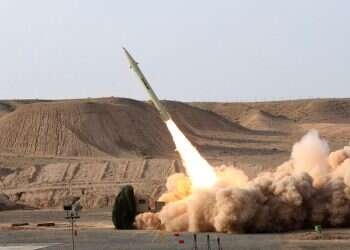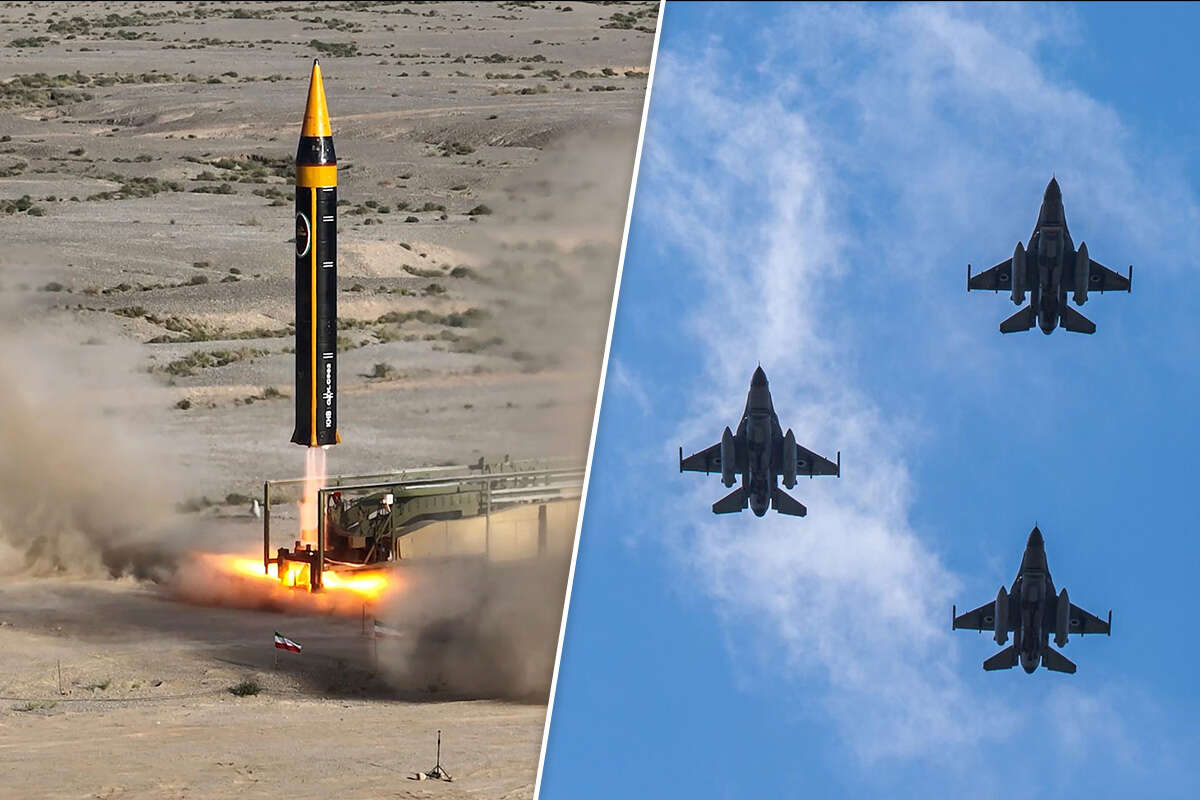
Reports in Arab media that Iran launched at least 30 ballistic missiles of two different types during an Islamic Revolutionary Guard Corps exercise earlier this week have raised serious concerns in Israel. The reported drill has prompted the Israeli military to heighten its alert level while maintaining maximum readiness for a targeted strike against Iran.
Israel is not only watching with concern as Iran replenishes its missile stockpiles, as recently reported by Bloomberg, but is also preparing for the possibility that an Iranian military exercise could turn into a real attack.
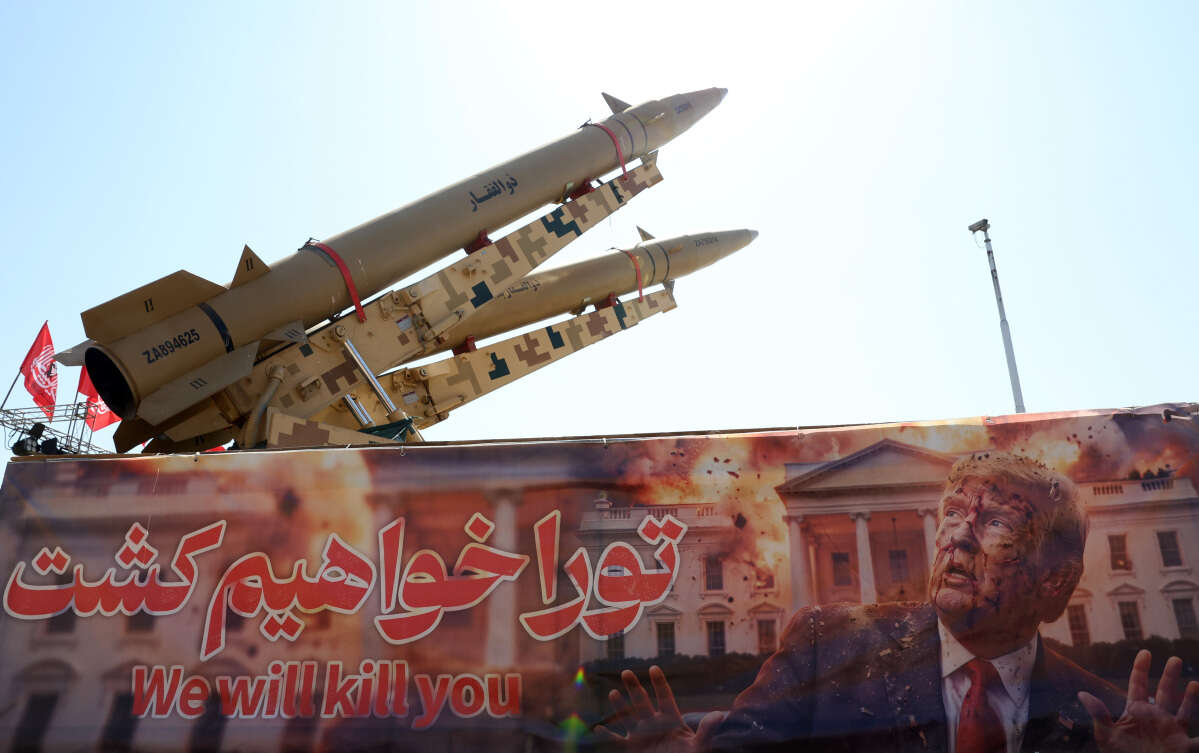
Alongside fears of a miscalculation that could trigger a broader conflict, direct discussions between Prime Minister Benjamin Netanyahu and US President Donald Trump suggest that another strike against Iran remains under consideration. Trump himself has raised the possibility on several occasions over the past week.
The Israel Defense Forces has raised its alert level across all fronts. During a visit to the IDF's Central Command on Wednesday, IDF Chief of Staff Lt. Gen. Eyal Zamir warned that the risk of escalation was growing. "Given the numerous warnings across all fronts and the sensitivity of the current period, the potential for escalation has increased," Zamir said. "To ensure better operational control on the ground, we have reinforced our troop deployments across all sectors, including moving the 98th Division into the area to strengthen security and stability."
"We have reinforced our forces and raised our level of readiness, and we continue to prepare for attempts to catch us by surprise," he added. "During this sensitive period, we must remain vigilant and prepared on every front, preserve our freedom of action and swiftly thwart threats. We pursue and combat terrorism wherever it exists. The IDF is at a high level of readiness to launch large-scale offensive operations against any party that attempts to harm Israeli civilians."
One of the main scenarios driving the heightened alert involves developments in the Strait of Hormuz, the strategic waterway through which much of the world's oil supplies pass. Iran's Revolutionary Guards have intensified their attacks on oil tankers and merchant vessels transiting the strait, with several ships successfully struck in recent days.
After the Americans managed to increase tanker traffic through the strait in September to nearly prewar levels, they are now facing the need to take preventive military action against Iranian attacks. Such an operation could take place in the coming days. The anticipated strikes would be limited and targeted, focusing on radar installations, missile launchers and observation posts used to detect vessels passing through the waterway.
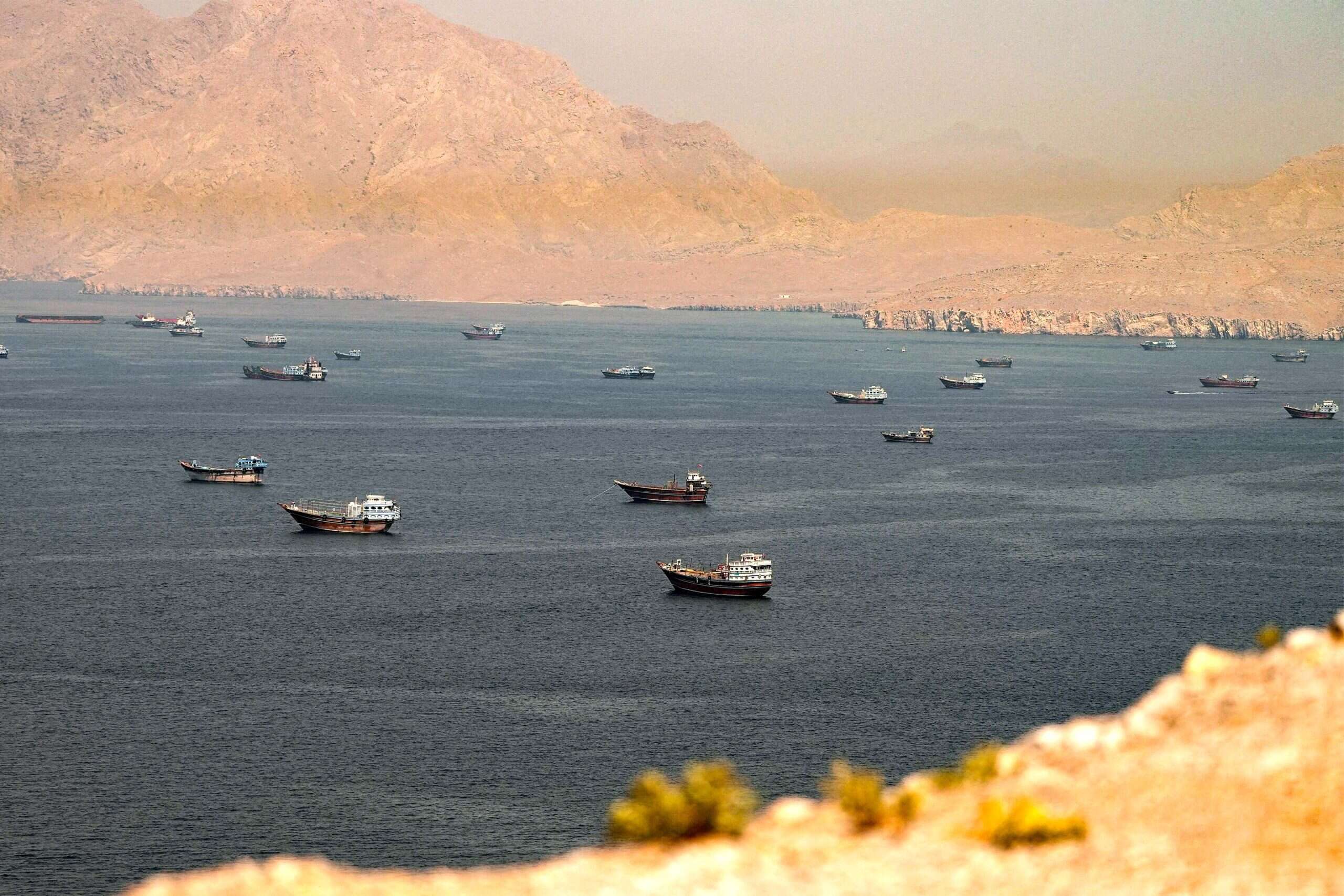
Iran has stepped up its attacks in the Strait of Hormuz while also assisting the Houthis around the Bab el-Mandeb Strait, another strategically vital shipping route at the southern entrance to the Red Sea. The apparent objective is to drive up oil prices in the US, potentially influencing the outcome of November's midterm elections.
A hostile Congress under Democratic control would make it more difficult for Trump to maintain his hard-line policy toward Iran. Trump, however, has sought to dispel any suggestion that the election could alter his approach. Addressing Iran directly, he said, "Even after the November elections, I will still be president, and I will continue pursuing our objectives with full force."
Israeli assessments indicate that US strikes in the Strait of Hormuz would not have immediate repercussions for Israel unless they triggered a significant escalation. In that scenario, Iranian leaders could decide to deploy their recovering ballistic missile arsenal against additional targets in the Gulf states.
Beyond the Gulf, Israel is also closely monitoring developments along its northern front with Lebanon.