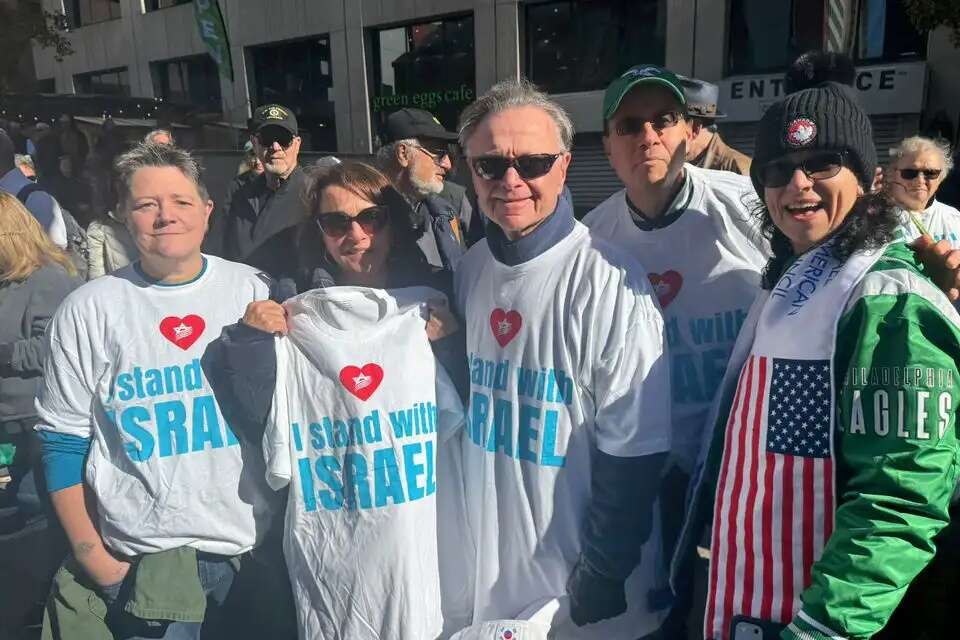
Lines stretched out of restaurants, down the street and around corners. Customers waited patiently, Israeli and American flags waved overhead, and cars were loaded with bags of food destined for communities across the region. A "Boycott Ride" targeting six Jewish- and Israeli-owned businesses in Philadelphia on Sunday was met with a massive show of support from hundreds of people. Alongside Jewish and Israeli American residents were members of the Christian community, determined to show the business owners that they were not alone.
The controversy began the previous week when an anti-Israel cycling group called Philly Bike On Your Left circulated a flyer targeting six Jewish- and Israeli-owned restaurants: Mac Mart, K'Far Cafe, Huda, Goldie, Dizengoff and Schlesinger's Deli. Its message was unequivocal: "No business for Zionists! These Zionist Establishments must go! Not in our city!"
The ride took place around Rittenhouse Square on the eve of the 88th anniversary of Kristallnacht, the Nazi-organized pogrom against Jews in Germany and Austria in November 1938, also known as the Night of Broken Glass. Organizers said they were protesting the owners' support for Israel, rejected accusations of antisemitism and denied deliberately scheduling the event to coincide with the anniversary.
According to police estimates reported by local media, approximately 300 pro-Palestinian demonstrators participated, including about 200 cyclists. The Jewish and pro-Israel community, however, refused to stand by. Hundreds of people, Jewish and non-Jewish alike, turned out to counter the protest and support the targeted businesses.
There were also confrontations. Three people were arrested and two police officers sustained minor injuries. Police reported no property damage.
"I'm not going to stand by while people try to attack us, intimidate us and threaten us," Ruthy Rosenbaum, a resident of Bucks County in suburban Philadelphia who attended the counterprotest, told Israel Hayom. "My life has changed since October 7. I'm more concerned about how visibly Jewish I am, and I don't like that. When there's an opportunity to push back, I want to take it."
"When I go to New York, I tuck my Star of David inside my shirt. I don't wear it openly on the street or on the subway," she added.
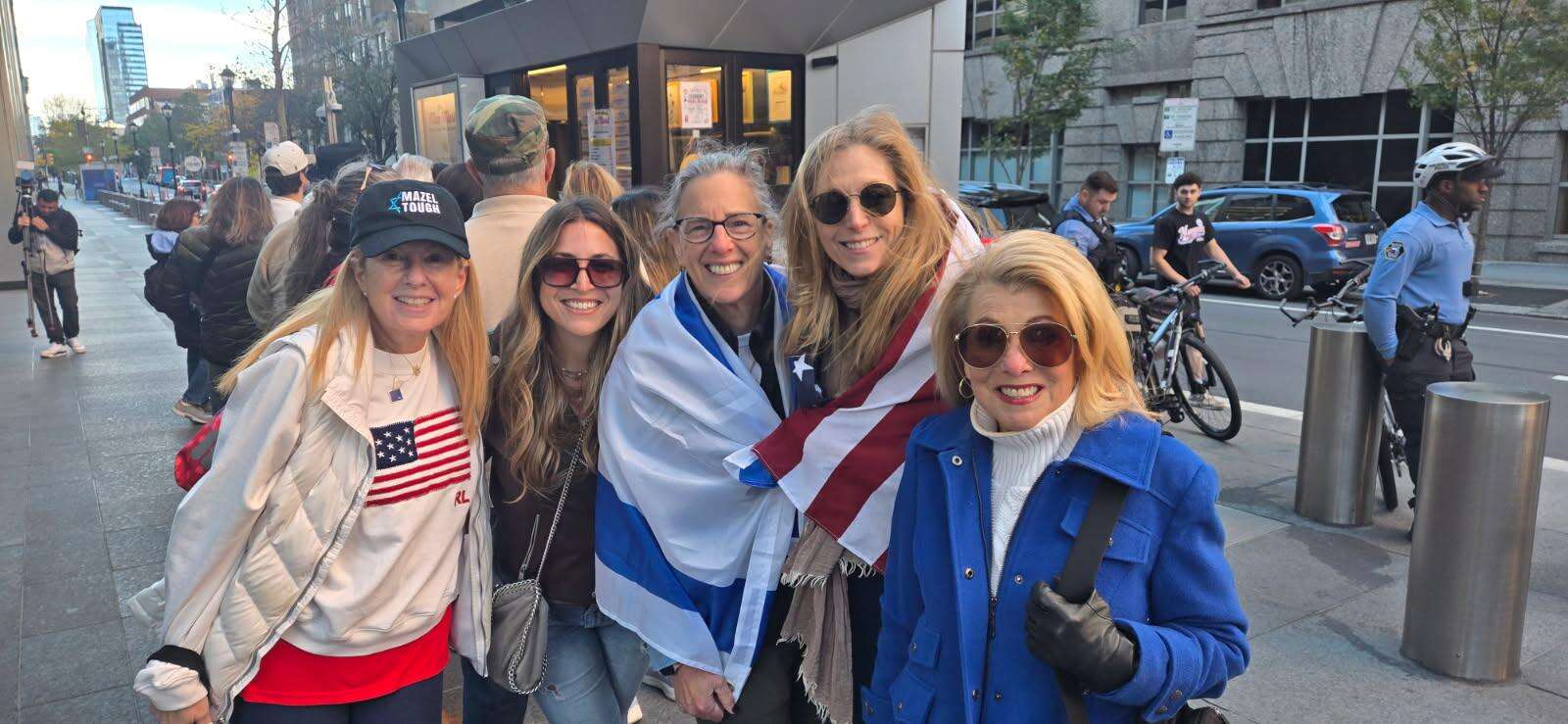
This time, however, Rosenbaum made a conscious decision to show up and be seen. One of the moments that moved her most took place far from Rittenhouse Square. A Catholic neighbor who was visiting her grandchildren in Denver called to ask how she could help. "She called while visiting her grandchildren to ask how she could support us," Rosenbaum recalled. "She was upset that she couldn't get to one of the restaurants today."
The solution was to support the businesses from afar by purchasing gift cards. While waiting in line outside one of the restaurants, Rosenbaum also met a woman who told her that her husband was at church. "She said that, as an American, she couldn't bear the thought of this happening to Jews."
For Rosenbaum, such connections had also been forged through earlier conversations. "Last Hanukkah, we invited our neighbors over, most of whom aren't Jewish," she said. "I talked about what it's like to be Jewish in America since October 7, what it feels like to go to synagogue, when I take out my Star of David and when I don't. Some of them were shocked."
"For them, this isn't about Israel, the government or the war. It's about being Jewish in America, and how that shouldn't be a problem, just as being Christian or Muslim shouldn't be a problem."
Rosenbaum described a grassroots mobilization that grew out of WhatsApp and Facebook groups, including the involvement of End Jew Hatred, an organization that has already been behind several Jewish and pro-Israel demonstrations. "It felt completely organic. People came from South Jersey and New York."
She also praised the police presence. "The police were at all the restaurants and in the square. I felt very safe."
Although she welcomed the public condemnations from political leaders, including Jewish Pennsylvania Gov. Josh Shapiro and Philadelphia Mayor Cherelle Parker, Rosenbaum emphasized a more fundamental point. "We're Jewish. We support Israel. None of that changes the fact that I'm American. Period."
Rabbi Geri Newburge, senior rabbi of Main Line Reform Temple in the Philadelphia suburbs, wanted to find a way for people who were afraid to attend the demonstration to take action as well. Members of her congregation, which numbers approximately 900 families, were concerned about the possibility of violence. "We didn't want to put our people at risk," she explained. "But I couldn't just sit back and do nothing."
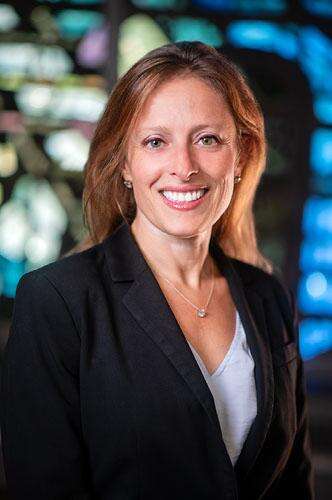
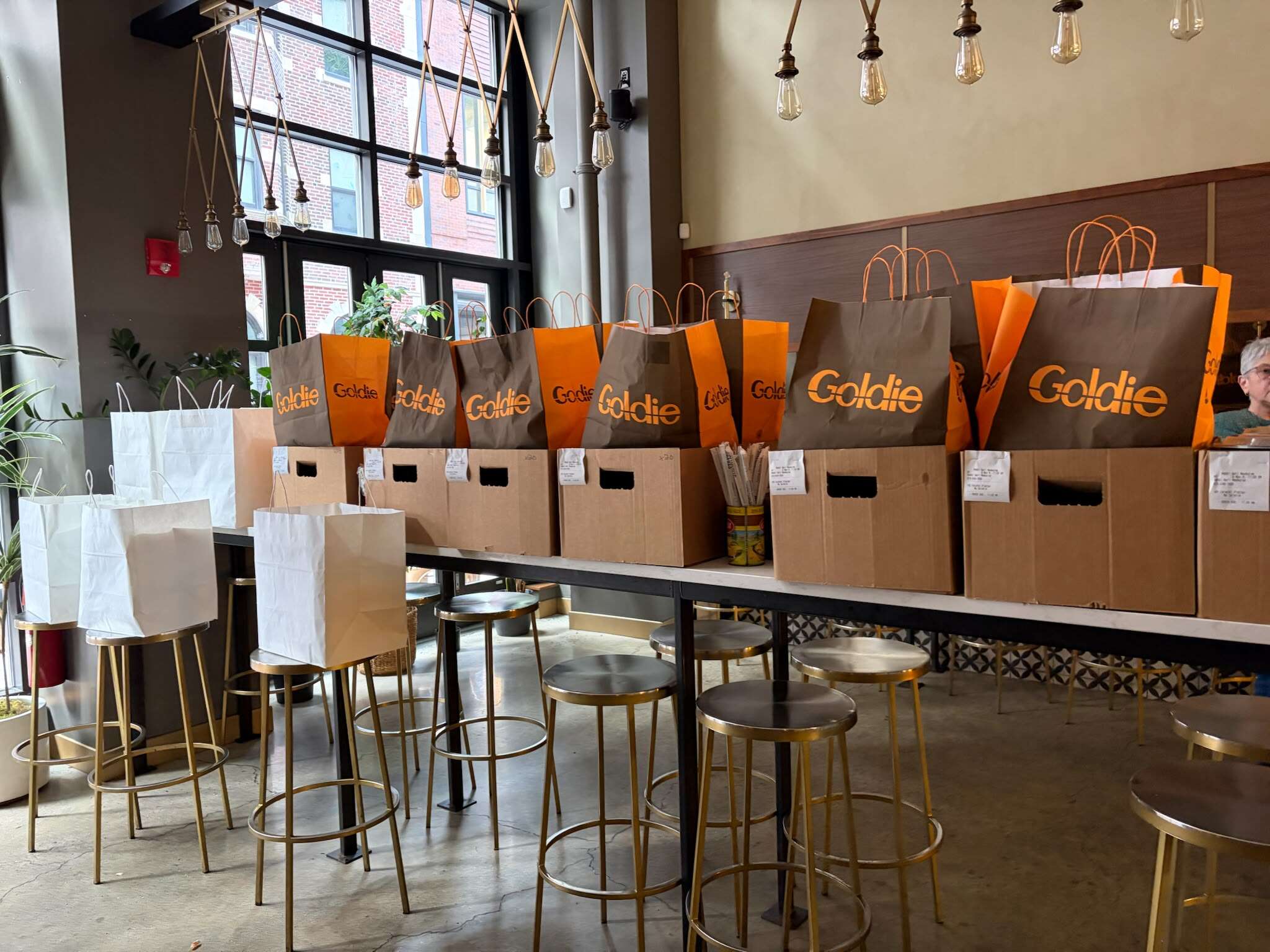
Her solution was to organize a large group order from three of the businesses. Newburge put together a limited menu for her congregation, with each item priced at $15. Orders opened Wednesday and closed the following evening. "By the time we closed the orders, we had almost $6,000, nearly 400 items and 82 families participating," she said. "Almost a tenth of our congregation took part, and others would have participated if the ordering window had been longer."
Newburge and another congregant set out in an SUV to collect the food. "There wasn't an inch of space left in the car for any more food."
Although Newburge did not attend the demonstration itself, she saw the lines forming even before the bike ride began. "People were almost jubilant about the opportunity to do their part and support the businesses," she said. "People knew there would be a long wait. They waited their turn. They just wanted to do something. I was deeply moved that so many people came out to vote with their feet and their wallets."
"Selling hummus, rugelach or a hamburger in Philadelphia has absolutely nothing to do with American foreign policy or wars in the Middle East," Newburge said. "To me, as a rabbi, this is the blood libel of 2026. They wanted to do something for these businesses, which had been subjected to vilification and hatred for no reason other than the fact that their owners are Jewish."
Newburge praised the institutional response. The Jewish Federation of Greater Philadelphia, the Jewish Community Relations Council and the local chapter of the Anti-Defamation League worked together to encourage people to patronize the businesses.
The message, she said, was practical. "Go out for lunch, go out for dinner, buy gift cards, buy merchandise."
As for the response from elected officials, Newburge was more measured. "Some of the statements came a little late, and there are still people who haven't said anything."
Still, she said, the mobilization extended well beyond Philadelphia. "Colleagues from Florida and Texas called to ask what they could do," she recalled. "One congregation ordered food today and held a picnic at the synagogue. Another is doing it on Wednesday, to spread out the support a little." Gift cards were also purchased for local Hillel centers, which serve Jewish college students.
Noa Peri-Jensch, Chief Communities Officer of the Israeli-American Council (IAC), said the organization initially encouraged people to support the businesses remotely, partly out of consideration for restaurant owners who feared they would be unable to serve everyone who showed up.
That morning, however, she decided to go herself. She collected pro-Israel T-shirts from the office and boarded a train from New York. "They were courageous, they were bold, they stood there for hours waiting," she said of those who turned out. "Two hours after the demonstration, they were still standing in line at the restaurants because supporting them mattered so much."
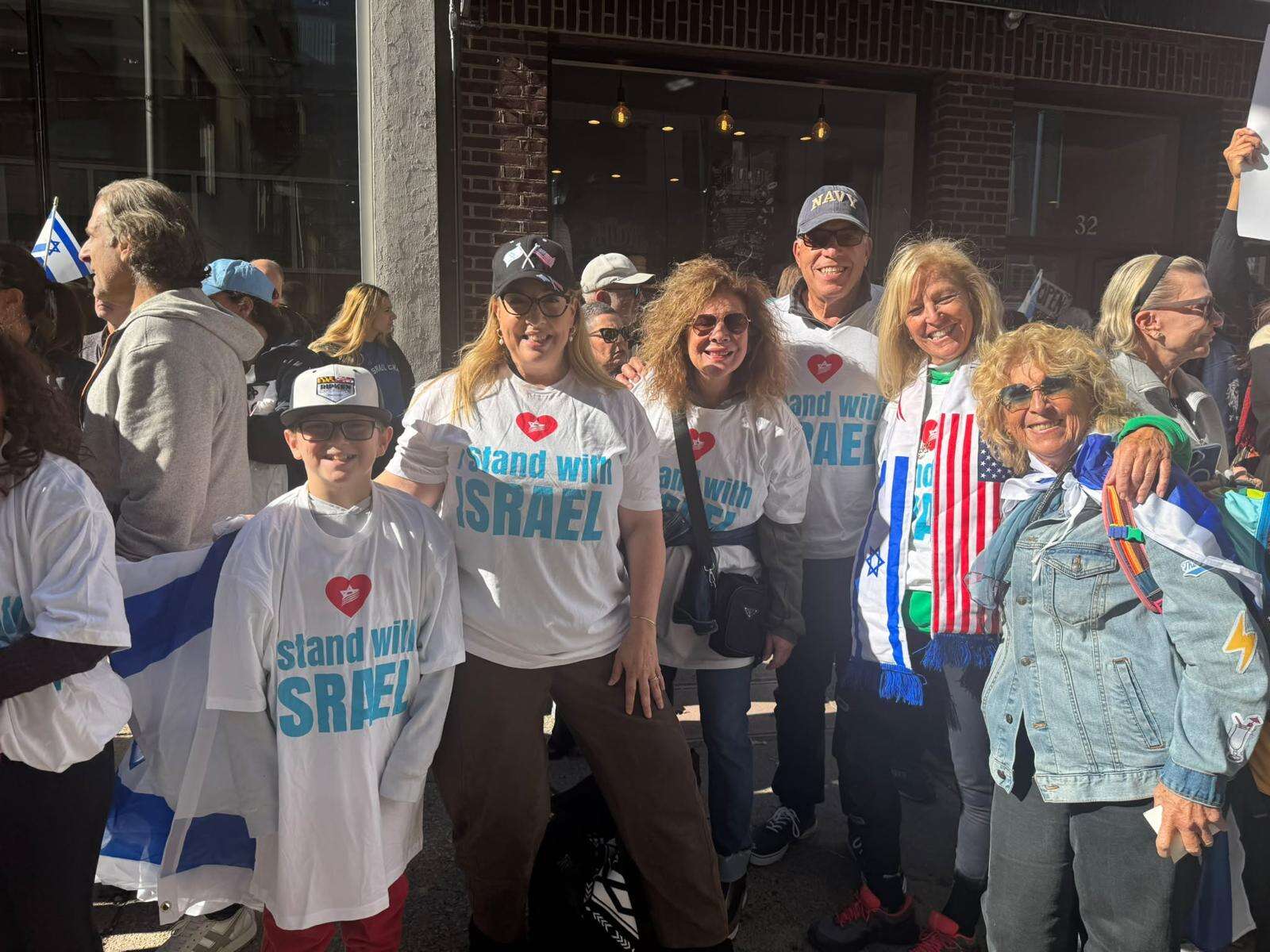
Among those she met were two Christian women from New Jersey who, she said, had finished Sunday church services and driven approximately two hours to join the gathering. "There were families, I saw children, there was participation across generations," Peri-Jensch said. "It gave the Philadelphia community tremendous strength, the strength not to be afraid and to stand together."
"When people publish a list of Jewish businesses and organize to drive them out of a city, it's a pattern we recognize from history," the IAC said in a statement.
The organization, whose representatives visited all six businesses, called on other communities to take action as well. "Today it's our businesses, and tomorrow it could be businesses belonging to the Latino, Muslim, Asian or any other minority community."
The IAC stressed that the overwhelming support shown to Philadelphia's businesses and Jewish community needed to be broad-based and sustained. "One Sunday of support is a response. Showing up every week, in Philadelphia and in every city where our community lives, is the answer."
Peri-Jensch emphasized that community resilience also meant economic resilience. "If we use Jewish businesses, if we prioritize Jewish and Israeli businesses, that already changes the outcomes in everyday life."
Rosenbaum explained why she believes support for the Jewish community should matter to other communities as well. "When it starts with the Jews, we're the first, but we're not the last."
Newburge hopes the solidarity will continue and grow. "If we want to live in a society where there's peace and harmony and all the things we need, we have to speak up for one another."