This week, we arrived in New York for Israel Hayom's second annual Summit in the city, at a moment when history is not being written in retrospect but unfolding at breakneck speed, with momentous events compressed into a matter of days.
Seventeen months into a grueling, protracted war for our very existence, as Israel stands firm against the sprawling tentacles of Iranian-backed terrorism, and amid a profound political upheaval in the US following the change of administration in Washington, it is hard to imagine a more fitting or symbolic place to discuss the future of our relationship than New York. Here, at the heart of the world's largest and most influential Jewish community outside Israel, the threads of our shared past converge with a strategic future that will shape us all.
The US-Israel relationship has never been a simple love affair, a story of unquestioning agreement or a partnership free of fault lines. Beneath the diplomatic veneer, its history is marked not only by extraordinary moments of closeness and profound mutual commitment, but also by difficult tests, bitter diplomatic crises and open, direct confrontations between leaders.

As early as 1956, President Dwight D. Eisenhower demanded that Israel withdraw from the Sinai Peninsula. In 1975, President Gerald Ford ordered a "reassessment" of US policy toward Israel following a breakdown in diplomatic negotiations, a move that prompted a forceful intervention by 76 US senators. In 1991, tensions between President George H.W. Bush's administration and Prime Minister Yitzhak Shamir's government escalated over US loan guarantees to help absorb Jewish immigrants and the issue of Israeli settlements. And in 2015, Prime Minister Benjamin Netanyahu took the podium before a joint session of Congress at the US Capitol to voice his fierce opposition to the emerging Iran nuclear deal being pursued by President Barack Obama's administration.
Even presidents who demonstrated a deep and unwavering commitment to Israel's security often had to contend with fierce domestic opposition from members of Congress or the American public.
Yet there were also defining moments that reshaped the Middle East and made history. During his first term in the White House, President Donald Trump ushered in a new era by moving the US Embassy to Jerusalem and recognizing Israeli sovereignty over the Golan Heights, a groundbreaking and unprecedented step.
When the alliance faced its most difficult test following the October 7, 2023, Hamas attack, it was President Joe Biden who turned words of solidarity into action, providing the Israel Defense Forces with extensive and immediate military assistance.
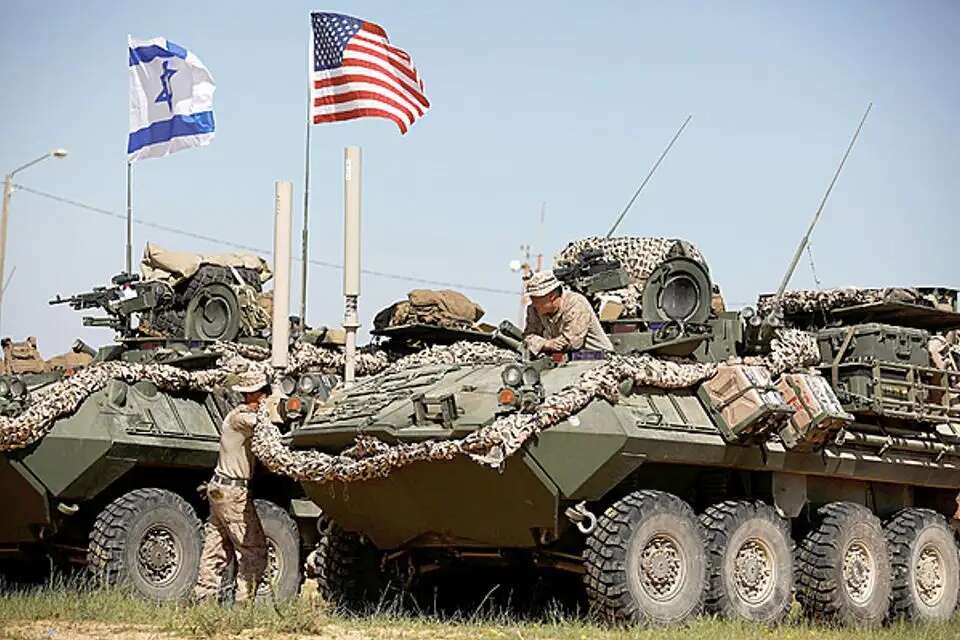
Presidents have come and gone, the balance of power in Congress has shifted time and again, and the relationship has weathered its share of highs and lows. Yet beneath all these upheavals, one foundation has remained firm and unshaken: the alliance itself.
The reason goes far beyond the cold calculations of strategic interests, shared intelligence priorities or advanced technological and economic cooperation. Beneath all of these lies something far more profound: a bond forged not merely through official agreements and sustained by more than presidential directives. It rests on a deep foundation of shared democratic values, mutual responsibility and enduring ties between communities, families and individuals.
At this moment, as Washington redefines its worldview and recalibrates its role on the international stage, the US-Israel alliance is neither a privilege nor a tactical bargaining chip. It is an indispensable pillar of Israel's national security and resilience.
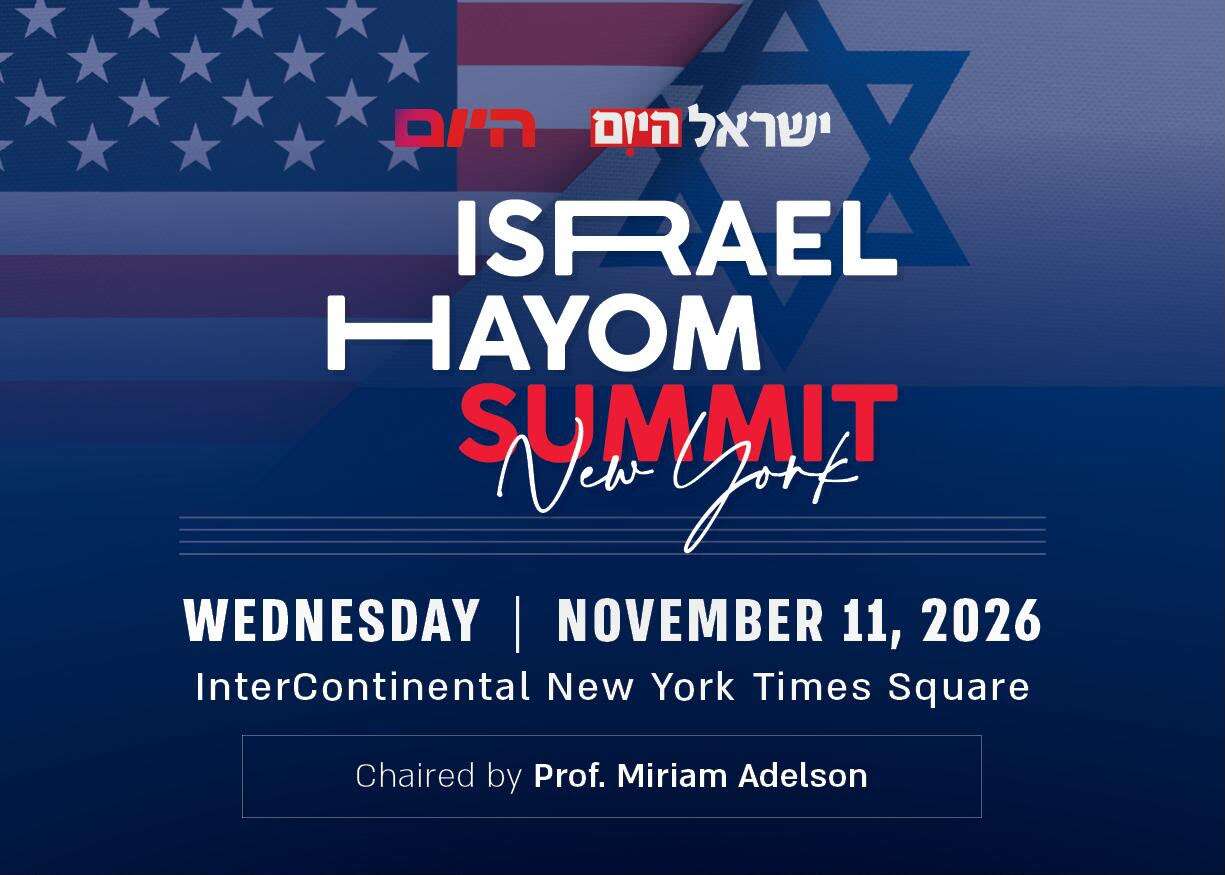
From here, in the heart of New York, we are asking the hard questions and confronting the challenges of tomorrow. Our summit brings together senior government officials, international and community leaders, soldiers and military commanders, and leading figures from business, medicine and innovation.
Because the US-Israel alliance touches every aspect of our lives, the need of the hour is to preserve hope and partnership, values that are stronger and more enduring than any passing political storm.