The Israel Hayom Summit in New York opened Wednesday, bringing together senior figures from Israel and the US, government officials, business leaders, heads of organizations and prominent members of the Jewish world.
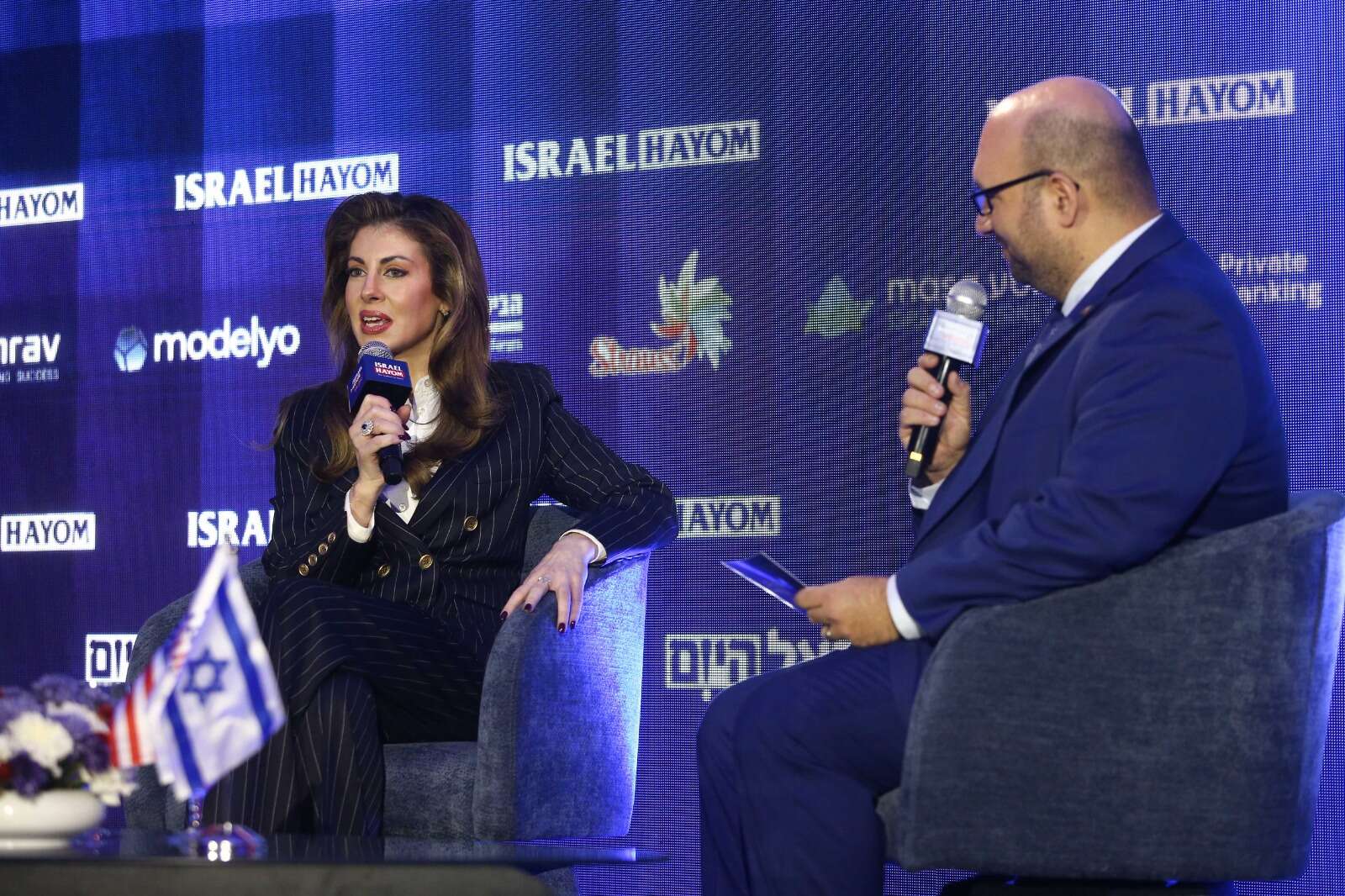
Held for the second consecutive year at the InterContinental hotel in Manhattan, in the presence of Israel Hayom publisher Prof. Miriam Adelson, the summit features discussions, interviews and panel sessions addressing the major challenges facing Israel, the US and the Jewish world.
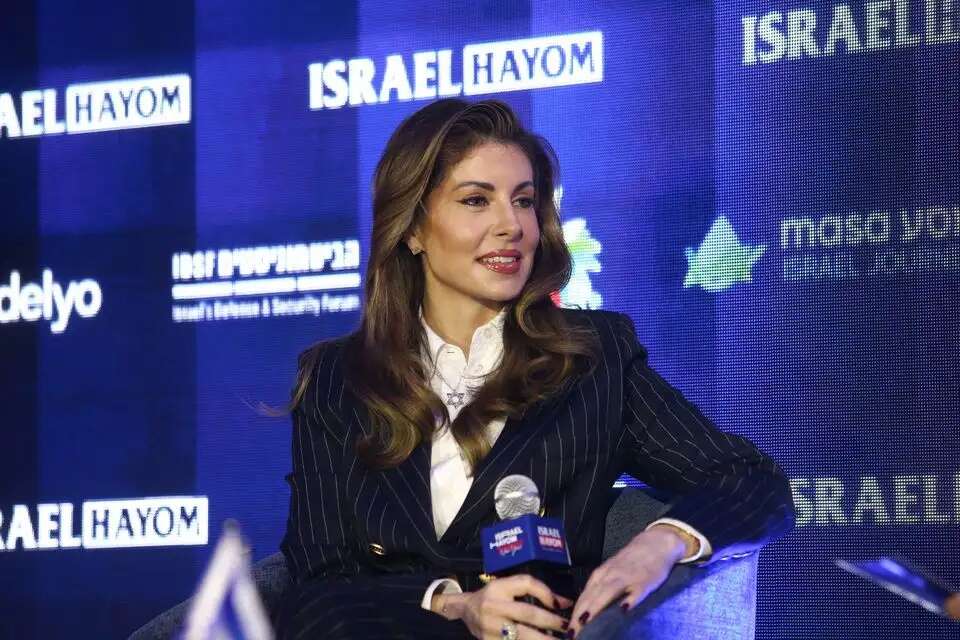
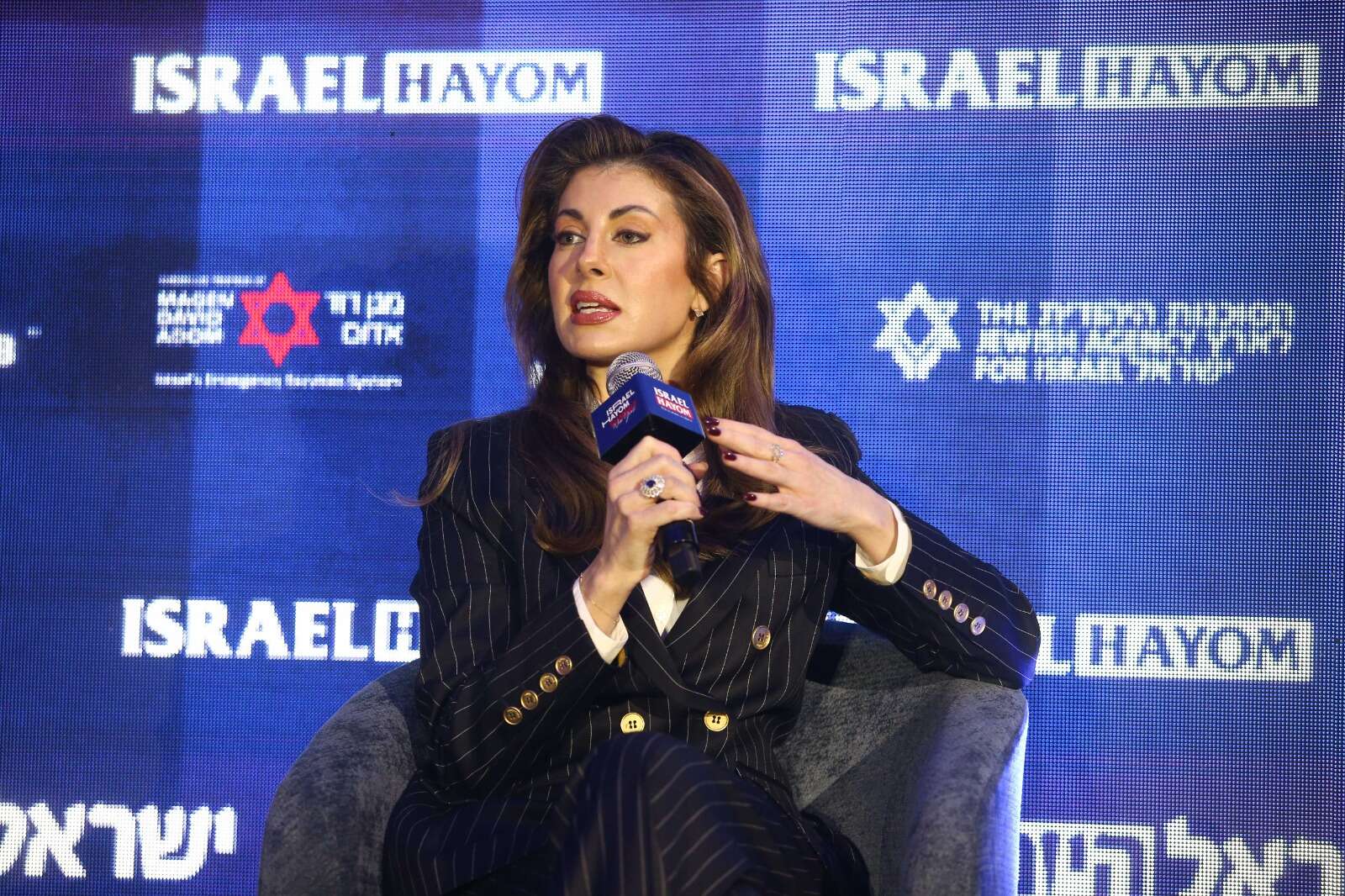
In an extensive interview with Israel Hayom US correspondent Or Shaked, Morgan Ortagus, former deputy US special presidential envoy to the Middle East and State Department spokesperson under Secretary of State Mike Pompeo, discussed the future of the Middle East, the Iranian threat, diplomatic challenges involving Lebanon and the growing isolationist voices within the Republican Party.
"The dynamics in the region have completely changed, and Trump won the election," Ortagus began, reflecting on the region's resilience during the war. "I had the privilege of working under Secretary Pompeo and being part of a very small group that brought about the Abraham Accords. At the time, we believed we had changed the Middle East forever, and we did. I am incredibly proud that despite the events of Oct. 7 and all the wars that have erupted since, the Abraham Accords have survived and remained intact. We created a new Middle East, but Oct. 7 proved one thing beyond any doubt: There will never be peace or stability in the region as long as the regime in Tehran remains in power."
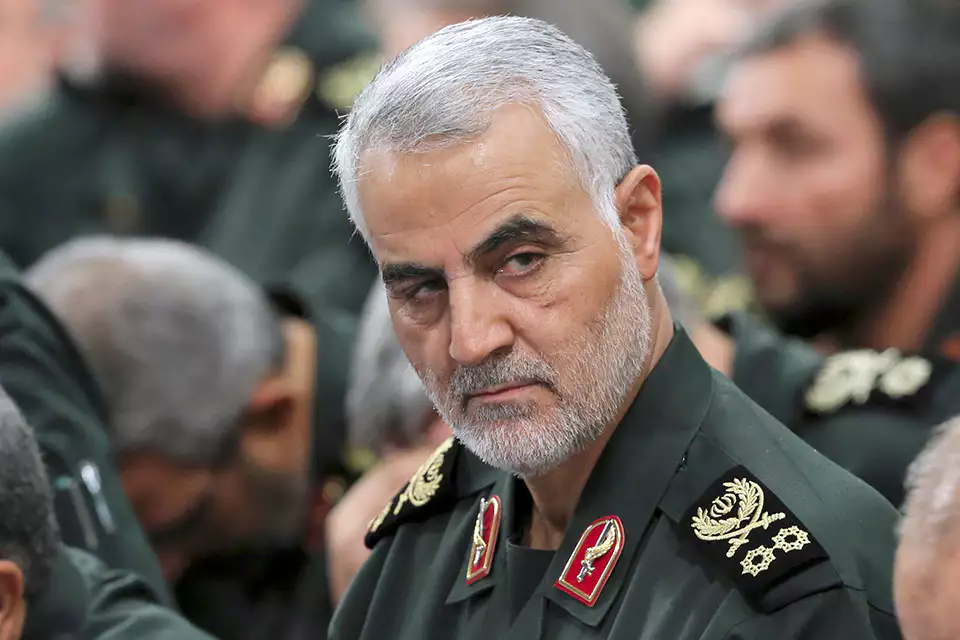
'Soleimani was killed, and World War III did not break out'
Asked about the ultimate goal of the US administration regarding Tehran, whether regime change or a new nuclear agreement, Ortagus was unequivocal. "President Trump has made it clear for more than a decade that the absolute objective is to ensure Iran never obtains a nuclear weapon."
"We have been at war with this regime for 47 years, and President Trump was the first leader to take direct and decisive action," she said. "Most of you remember the wonderful day we took out Qassem Soleimani. Apart from the day my daughter was born, it was one of the best and most wonderful days of my life. Everyone warned that killing Soleimani would lead to World War III, and we proved that it did not happen."
Ortagus outlined what she described as the red lines for any future negotiations. "The president will do whatever it takes to prevent Iran from obtaining a nuclear weapon. Any future agreement resembling the previous deals, one that merely kicks the can down the road and allows them to continue moving toward a bomb, would be a complete failure in terms of the president's objective."
On the prospect of regime change, Ortagus said, "We all wish, pray and hope that we can support the Iranian people in bringing that about. There is currently no support in the US for putting boots on the ground, but every side has its own interests. All I can say to the Iranian people in that regard is: Yalla."
'Rubio made it clear to Iran that it is not in charge'
Turning to Israel's northern front, Ortagus outlined an unconventional approach to reaching an agreement with Beirut. "There is no single Lebanese voice. It is a country where Christians, Sunnis and Shiites share power," she explained. "There is an interesting parallel. People ask how there can be peace between Israel and Lebanon as long as Hezbollah has not been disarmed.
"In the US, we have the drug cartels in Mexico, which pose an enormous security threat, and yet the United States maintains close diplomatic relations with its neighbor. If we wait until every Hezbollah weapon has been confiscated and eliminated, peace will never happen."
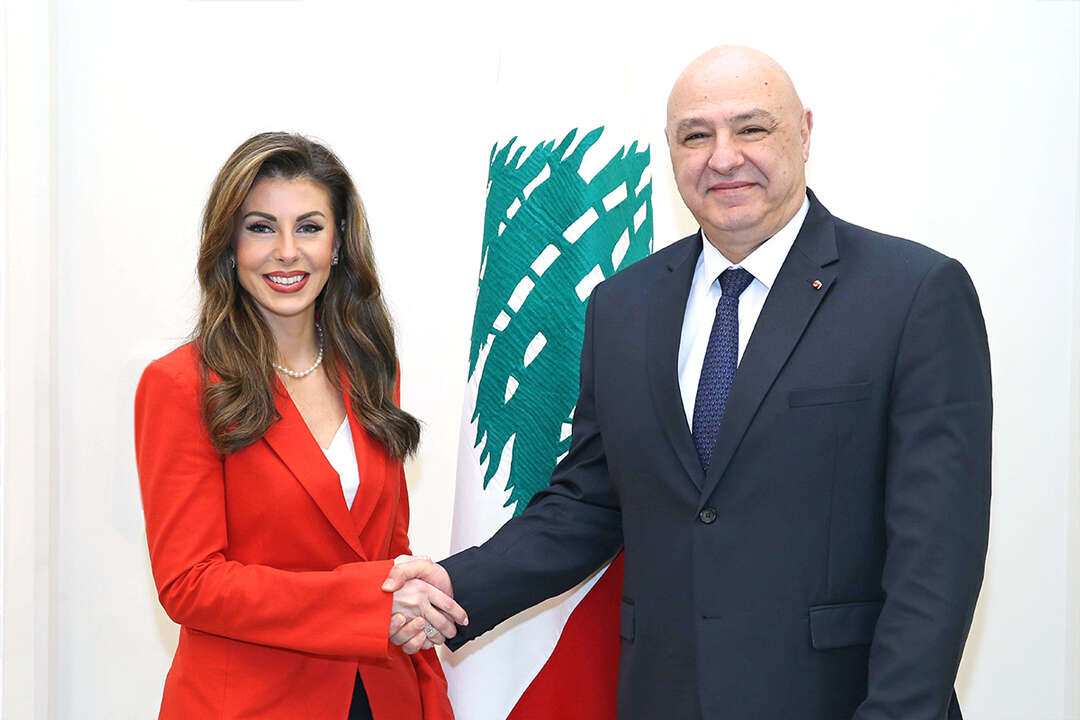
According to Ortagus, diplomatic progress could actually accelerate the disarmament of the terrorist organization. "We can disarm Hezbollah more quickly by bringing about military and diplomatic cooperation between Israel and Lebanon. President Aoun has gone very far in the rounds of talks. He has gone out of his way for peace, even more than Israel's prime minister."
She added, "We must understand that the road to peace actually runs through the Shiite population in southern Lebanon. These are people who have been held hostage by Iran and Hezbollah.
"At the end of the day, a woman my age with young children in southern Lebanon cannot endure the constant destruction of her home any longer. We need to make a compelling case to the Shiites that their lives will be immeasurably better if they make peace with their neighbors."
Ortagus also addressed Washington's dealings with Tehran over Lebanon. "We have to change the way we think. Iran demanded to negotiate over Lebanon's future, and Secretary of State Marco Rubio told them in the clearest possible terms: 'You are not in charge here.' The era of leaving the Lebanon file in Iranian hands is over. We will continue working to disarm Hezbollah, but at the same time, we need to bring the two countries closer together. There is still a genuine window of opportunity for peace."
'I'm ready to fight for the alliance with Israel'
Asked by Shaked about the isolationist voices emerging on the American Right following the midterm elections, including those associated with media personality Tucker Carlson, Ortagus made clear that she was prepared for an internal ideological battle.
"We are seeing this trend in both parties as we head toward the 2028 elections," she said. "Let's be absolutely clear: The Republican Party did not suffer a defeat because of Israel or because of Jews. Politics is simple. If you're a suburban mom paying $100 to fill up your car, you arrive at the polling station angry. The antisemitic voices emerging on social media and trying to gain a foothold in the party do not represent the majority of Republican voters."
Ortagus concluded with a forceful statement of her personal position. "I am a proud Republican, and I will fight with everything I have against anyone in my party who tries to destroy the relationship between the US and Israel. This alliance is an essential part of who we are. If a civil war breaks out within the Republican Party over support for Israel, I am absolutely ready to fight it."
Asked about her experience as a woman and a Jew negotiating with Middle Eastern leaders, Ortagus ended the interview with a smile. "As an American diplomat, I walk into every negotiating room with the power of the president of the United States, the Constitution and the strongest military in the world behind me. When I first shook hands with President Aoun in Lebanon and the pictures went viral, I wanted to send a message to my daughter: We do not tremble, we do not fear and we do not back down. Was being a woman and a Jew an obstacle? On the contrary, I discovered it was actually an advantage. I noticed they get particularly nervous and intimidated when a woman yells at them."