The Israel Hayom summit in New York opened Wednesday, bringing together senior figures from Israel and the US, government officials, business leaders, heads of organizations and prominent members of the Jewish world. Held for the second consecutive year at the InterContinental hotel in Manhattan, the summit is taking place in the presence of Israel Hayom publisher Prof. Miriam Adelson and features discussions, interviews and panel sessions on the major issues facing Israel, the US and the Jewish world.
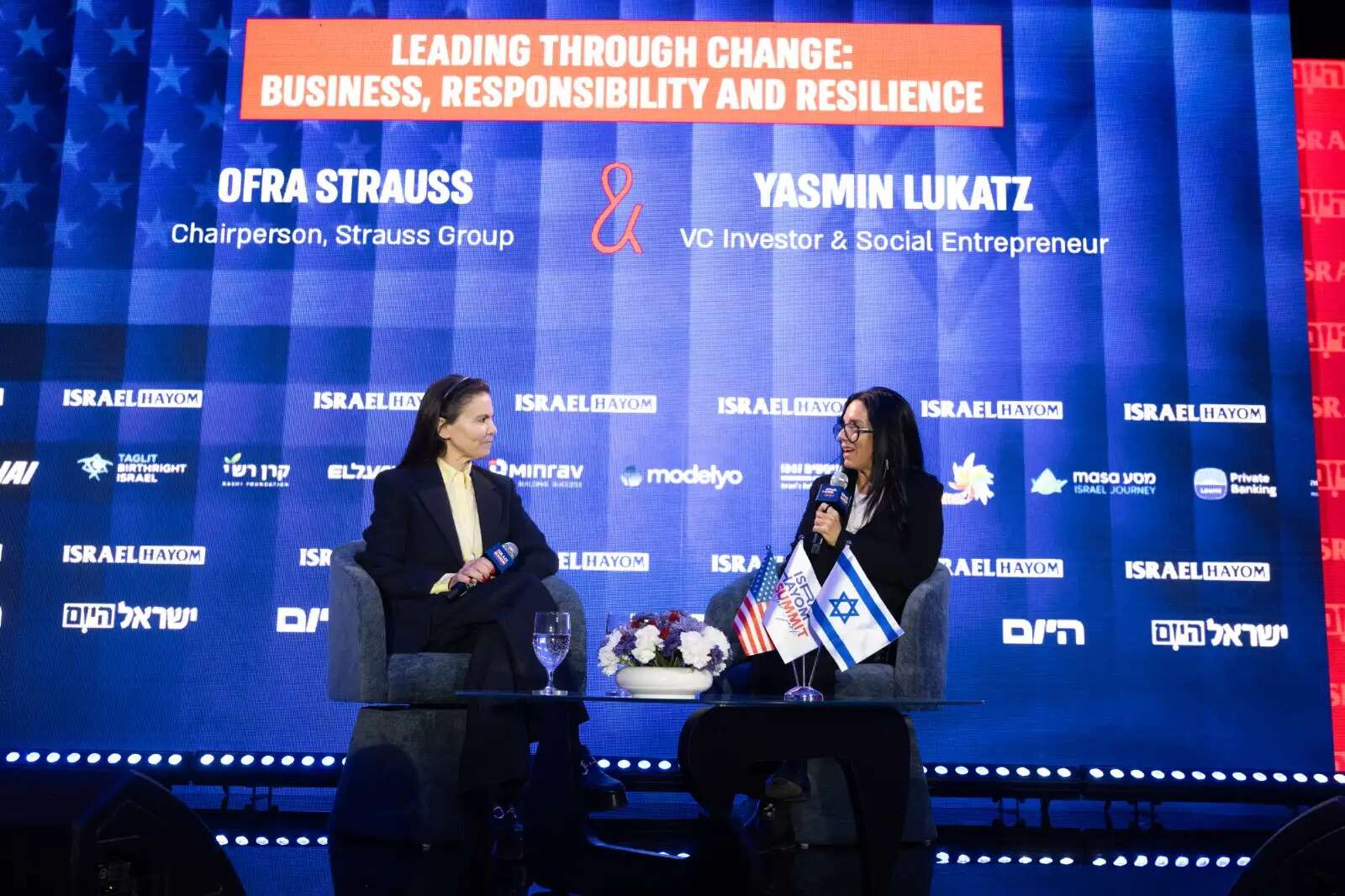
"If there's one thing I would like our government to think about and act on quickly, it's that we need a new vision," Ofra Strauss said in an interview with Yasmin Lukatz. "We really need to remind ourselves of our values. We need to talk about what went wrong, but there will be time for that. Right now, we need to build, bring people together and celebrate our democracy."
Lukatz asked what it feels like these days to be an Israeli businesswoman operating outside Israel. "I've always said that war and peace are part of our lives and part of our relationship with the US," Strauss replied. "But I think the most important driving force we have in that relationship is the business community, and it always has been."
"And not just between the US and Israel," Lukatz added. "I think businesspeople are a very important part of Israeli diplomacy around the world, because these are the people you do business with. That's how they get to know you and your country."
"Our business really is built on our connections with people, on partnerships," Strauss replied, adding, "The millions of products we sell every day create lifelong relationships with people."
"It's not easy these days"
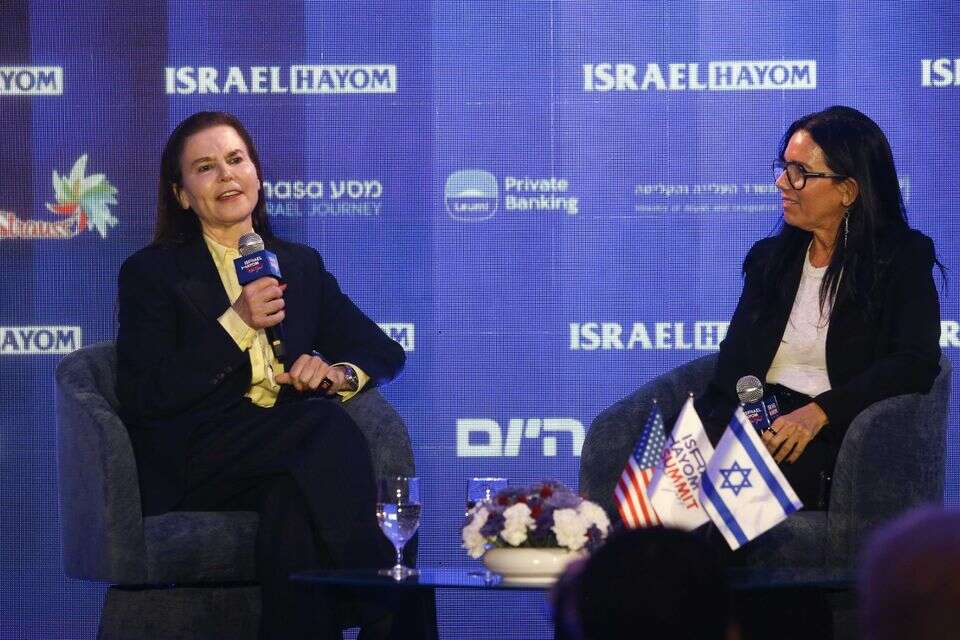
"I have to say, it's not easy these days," Strauss said of operating as an international Israeli company.
"Was there a time when being from Israel was received positively, and has that now changed?" Lukatz asked.
"Yes. There was a time when doors were open to Israelis," Strauss replied. She went on to describe the pressures facing employees of Israeli companies overseas: "People who work at companies around the world are asked by their families, 'Why do you work for an Israeli company?'"
"What do you tell them to say?" Lukatz asked.
"You don't start building relationships when times are tough. It's an everyday undertaking," Strauss replied. "Ultimately, war and peace are important, but peace is something you build together with people, for people."
Lukatz also asked about the company's newly opened factory in northern Israel and another plant under construction. "Are you afraid?" she asked.
"I think fear, or understanding the risks of investing billions of shekels and not seeing the returns for another decade, at best, is really what entrepreneurship is all about," Strauss replied. "We're not in the software business. We build factories and invest in machinery."
"We're part of the community wherever we operate," Strauss continued. "I was born in the north. That's where our milk comes from, and that's where our farmers are."
Reflecting on the past three years, she said, "We've all been talking, and I know everyone likes to talk about security, weapons and what we did during the war. But what really won the war was the Israeli spirit within civil society."
Strauss spoke about the company's 7,000 employees who helped maintain the food supply during the war. "They made sure everyone had food on the table, including in shelters, and that contributed to a sense of security and confidence that anything was possible," she said. "While the army was on the front lines, we had front lines of our own," she added, citing Magen David Adom, firefighters, efforts to care for the community of Be'eri and assistance for wounded soldiers.
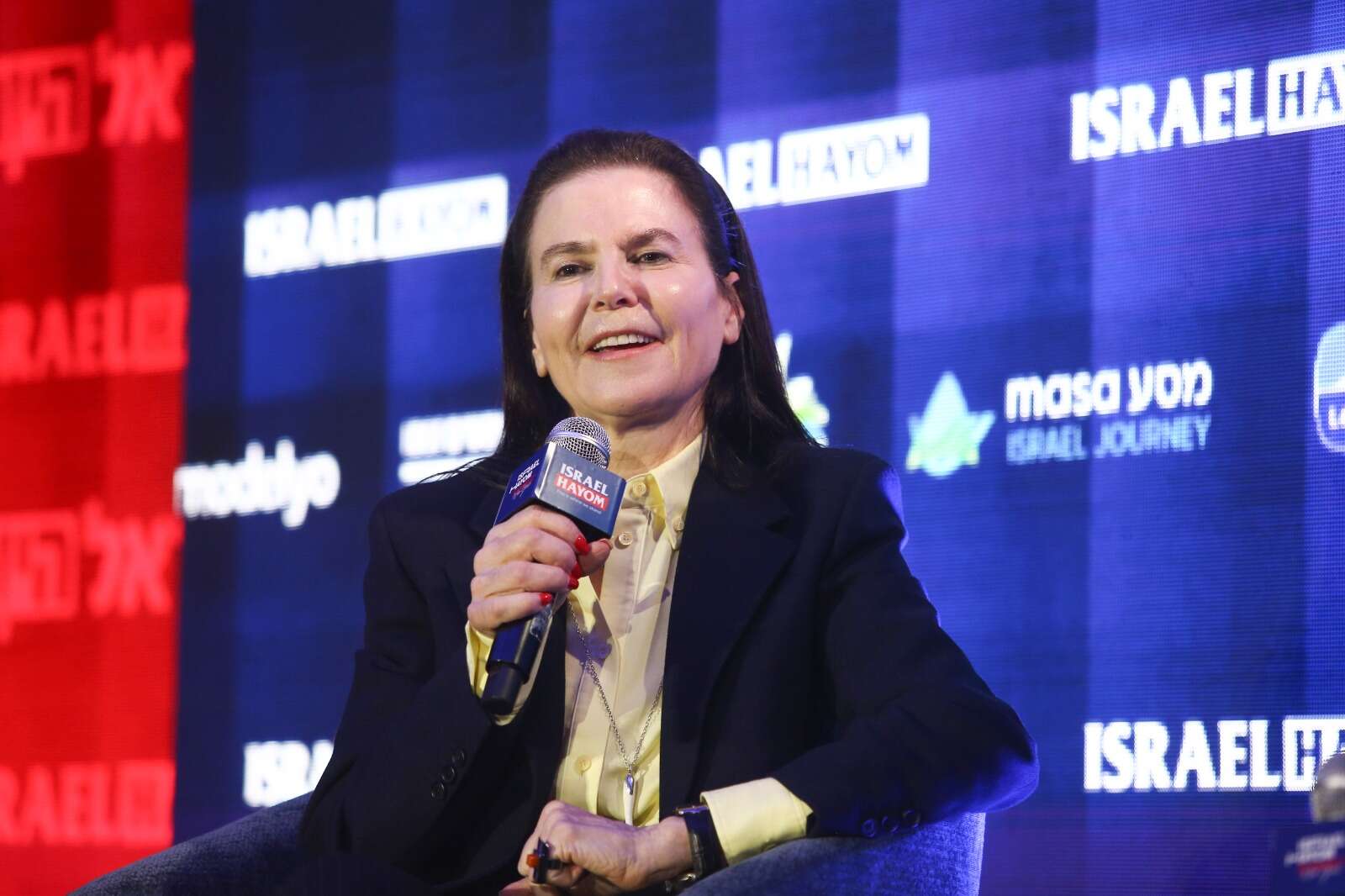
"We have to build today"
Later in the conversation, Lukatz described a conference in Silicon Valley from which she had recently returned. "We heard how everything today is being built with AI agents in mind rather than human beings," she said. "Does that extend to the factory production line? How does it affect what you do?" she asked Strauss.
"The first thing I'm noticing is that the way we communicate with consumers is no longer direct. Suddenly, it's through agents," Strauss replied. "There's something standing between us and the people who eat our food."
She said the shift was also affecting factory planning. "We're currently building a huge new factory. We don't know what it will look like. There are discussions about that. Yes, this will happen one day, maybe in a year, but we have to build today. So we'll need to build something much more flexible."
"We already use robots," Strauss added. "But with this new development, the question of what a production line will look like with AI, we understand that we're entering a new world in which we'll produce better food with less effort, based on more information. I can't even imagine what it will look like."