
An investigation into suspected foreign interference in Israeli elections was launched amid serious allegations, but the Shin Bet security agency has yet to deliver additional evidence it has repeatedly promised police.
At a meeting between representatives of the two agencies on Wednesday, Shin Bet officials again pledged to provide further intelligence, but the material has still not been handed over. The Shin Bet did not respond to Israel Hayom's question about the delay.
Shin Bet Director David Zini is convinced that the suspicions are serious and could, in his view, even justify invalidating votes. However, according to a legal assessment submitted by police to Attorney General Gali Baharav-Miara, the evidence provided so far points to relatively minor criminal offenses involving campaign finance, rather than vote-buying or foreign interference.
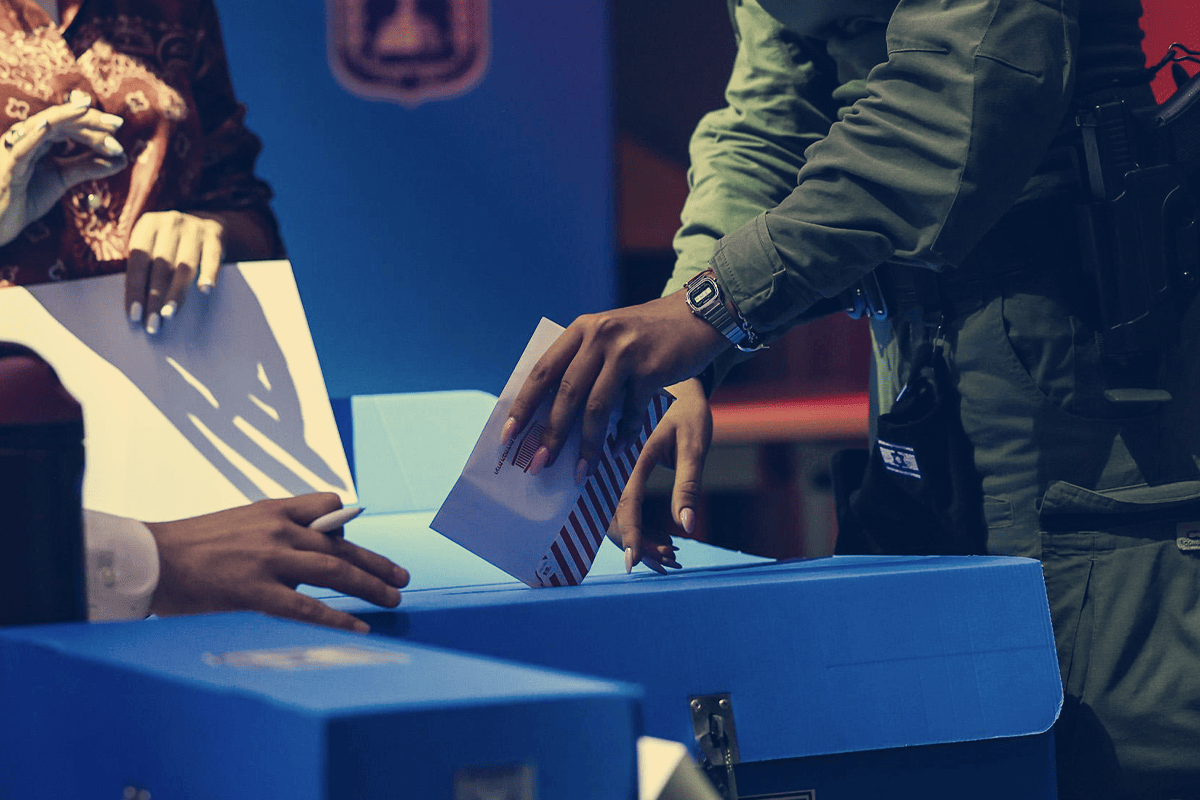
According to a source familiar with the details, police presented their assessment at Wednesday's meeting, based on the material received to date. Shin Bet representatives reiterated that they possessed additional evidence they intended to provide. "If they've had this material for several weeks, why haven't they handed it over? Why wasn't it included with everything else?" the source asked.
So far, apart from journalist Abed Abu Shehadeh, who was questioned in connection with the case and subsequently released, the attorney general has not authorized the questioning of additional individuals sought by the Shin Bet.
The agency maintains that its investigation is ongoing and that it possesses further intelligence. However, it has yet to provide police with evidence sufficient to change their assessment of the seriousness of the allegations. The case stems from intelligence that the Shin Bet says raises suspicions that money was funneled from foreign countries to influence Israeli elections. The agency described suspected large-scale funding originating from parties with undisclosed, and potentially hostile, interests, as well as suspected vote-buying.
Following the allegations presented to the Central Elections Committee, its chairman, Supreme Court Justice Noam Sohlberg, ordered the establishment of a joint Shin Bet-police investigative team.
But difficulties in obtaining the evidence have plagued the investigation from the outset. Police initially waited for the Shin Bet to provide the intelligence, which subsequently began arriving in installments.
The disagreement also concerns the nature of the suspected offenses. Israel's campaign finance laws regulate sources of political funding, limit donation amounts and require financial reporting and oversight. Among other restrictions, political parties are prohibited from accepting donations from corporations in Israel or abroad, as well as from individuals who are not eligible to vote in Israeli elections. The State Comptroller is responsible for auditing political parties' accounts.
However, suspected violations of campaign finance laws do not, in themselves, constitute evidence of vote-buying or prove that election results were influenced. That distinction lies at the heart of the current dispute. Police believe the evidence received so far supports suspicions of campaign finance violations, while the Shin Bet insists the allegations are considerably more serious, without yet providing evidence to substantiate that assessment.
A previous campaign finance scandal involving the Arab political party Balad came to light following the 2013 Knesset and municipal elections. The case centered on approximately 3.2 million shekels deposited into the party's bank accounts and presented to the State Comptroller as legitimate private donations through false financial reports and forged receipts. The source of the money remains unknown. In 2021, 13 party officials, including former MK Haneen Zoabi, were convicted of forgery and fraud offenses under a plea agreement.