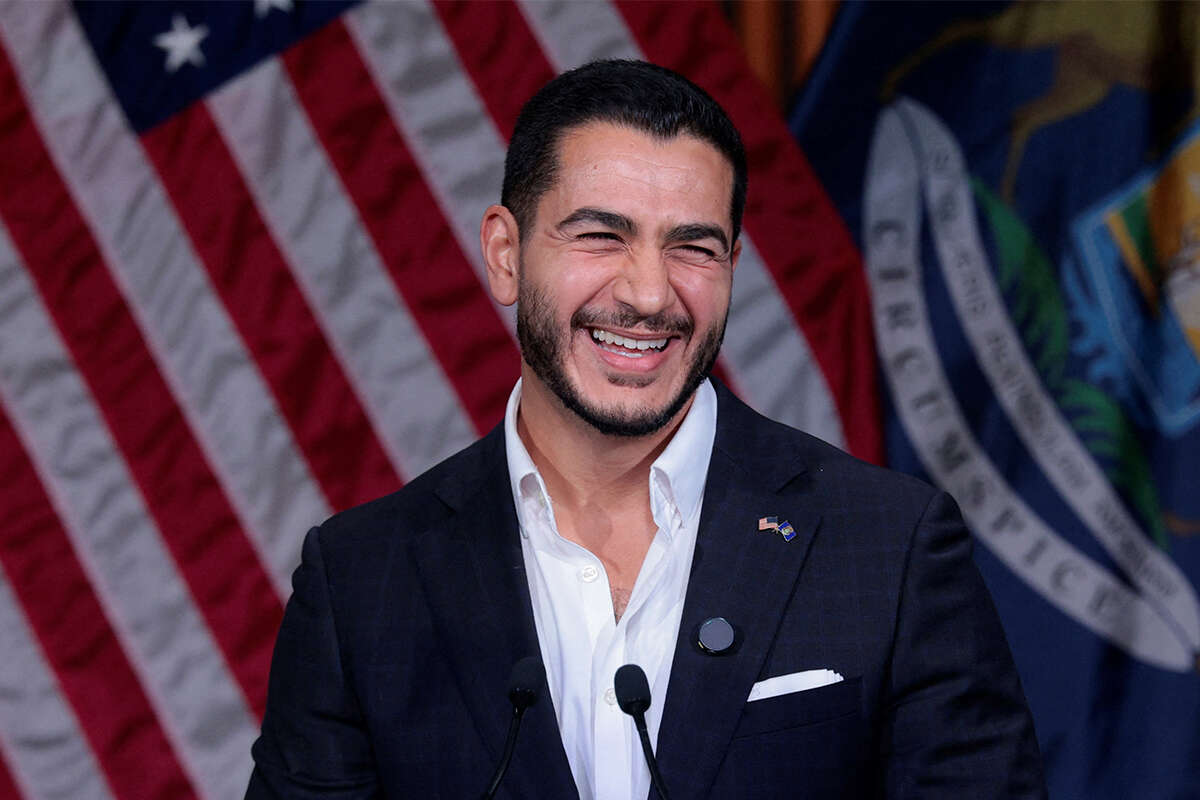
Michigan Democratic Sen.-elect Abdul El-Sayed on Sunday once again challenged Israel's identity as a Jewish state, portraying its Jewish and democratic character as competing values that cannot coexist.
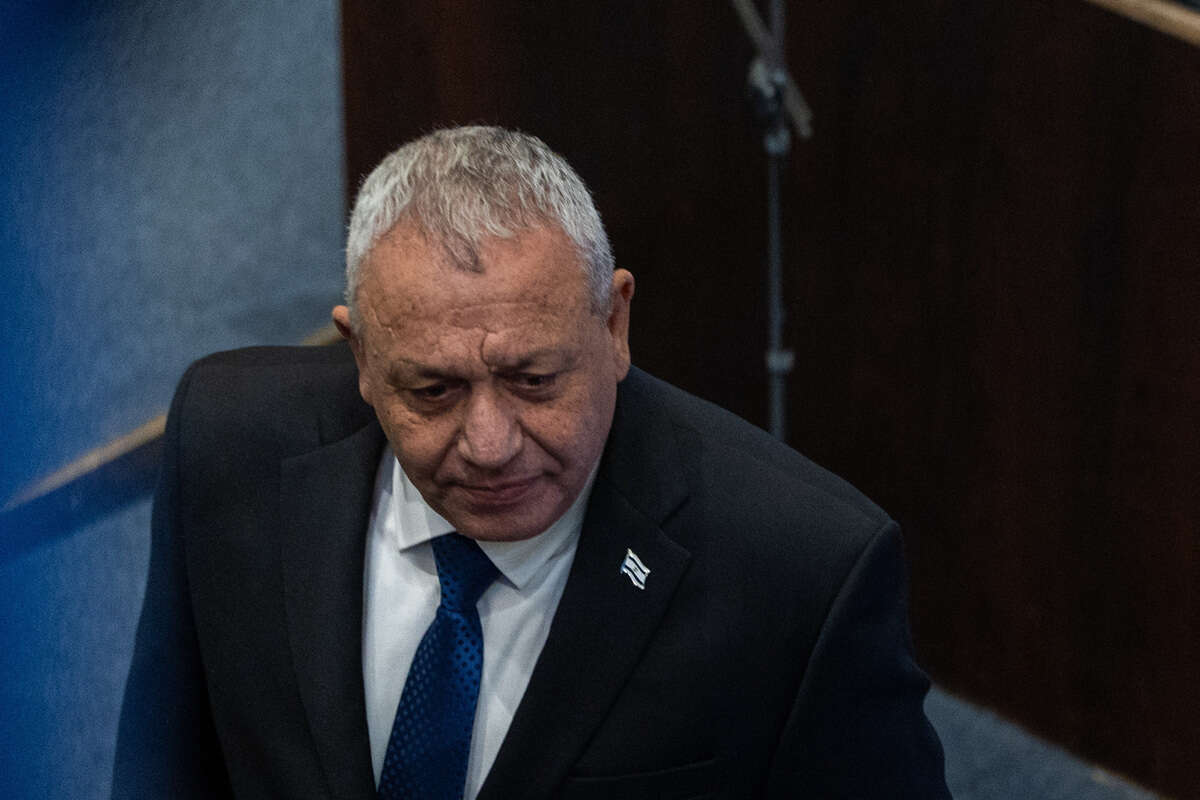
In an interview on NBC's "Meet the Press," El-Sayed also criticized Israeli opposition leader Gadi Eisenkot, accusing Eisenkot of trying to form a government without Arab parties.
Host Kristen Welker asked El-Sayed whether his recent remarks meant that Israel should no longer exist as a Jewish state. "I'm saying that I don't believe in ethnostates," El-Sayed replied. "I'm saying I believe in equal rights to peace, dignity, and self-determination." El-Sayed argued that the US should expect governments it supports to uphold equal rights, in keeping with the principles on which America itself was founded.
Kristen Welker CALLS OUT Abdul El-Sayed:
"Senator, 43 countries currently identify with a particular religion. Pakistan, for example, is an Islamic Republic. Why should the only Jewish state have to abandon its identity? " https://t.co/KVeAQqrbzj
— DSA Watch (@DSA_Watch) November 22, 2026
To illustrate his argument, El-Sayed pointed to efforts to form a government in Israel, claiming that Eisenkot was doing everything possible to assemble a coalition that excluded predominantly Arab parties. He then questioned whether Israel could be both Jewish and democratic, arguing that people were being forced to choose between the two identities. In his view, democratic principles must always take precedence.
Welker pressed the senator-elect further, pointing out that 43 countries formally identify with a particular religion, including Pakistan, an Islamic republic, and Denmark, whose constitutional identity is tied to Christianity. "Why should the world's only Jewish state abandon its national identity?" Welker asked.
El-Sayed maintained that his opposition to ethnostates was not limited to Israel. He said he also opposed US funding for Pakistan's military and was simply applying his principles consistently. El-Sayed added that Palestinian families had lived in the region for generations and had been promised a state of their own, while Israel, he argued, continued to expand with American support. He said the principles of equality and self-determination should apply to Palestinians and Jewish Israelis alike.
The remarks followed similar comments at an event hosted by The Atlantic last week, where El-Sayed argued that Israel should not identify with any particular culture or religion. At that event, El-Sayed also addressed concerns among American Jews that his remarks could fuel antisemitism, arguing that a distinction should be made between threats to personal safety and discomfort with criticism of Israel.
Rabbi Yaakov Menken, executive vice president of the Coalition for Jewish Values, criticized El-Sayed in comments to Fox News, accusing the senator-elect of singling out Israel despite professing support for equal rights. "El-Sayed claims that he doesn't believe in 'ethnostates,'" Menken said, arguing that Israel was the only country in the Middle East providing the equal rights El-Sayed claimed to support.