A database containing more than 11 million death records, obtained by hackers from Russia's Federal State Statistics Service (Rosstat), provides the most detailed picture yet of Russian military losses in Ukraine. Analyses published Monday indicate that nearly half a million Russian military deaths were registered between the invasion in February 2022 and the end of September 2026.
The independent Russian news outlets Meduza and Mediazona, which operate outside Russia and have tracked the country's military losses for years, estimate that the actual death toll exceeds 700,000 when missing soldiers whose deaths have not yet been registered are included.
The breach was disclosed on November 1 by Cyber Partisans, a hacking group linked to the Belarusian opposition, and the Ukrainian hacker collective Silent Crow, which shared the database with the media.
Rosstat compiles the information from civil registry offices across Russia. Although the records contain no names, they include causes of death and, since mid-2023, the locations where most soldiers were killed, in some cases down to individual villages.
Meduza and Mediazona cross-checked the database against other sources and concluded that it was highly likely to be authentic, arguing that fabricating such a vast collection of records matching independently available information would be virtually impossible.
Rosstat acknowledged that cyberattacks had taken place between October 29 and November 1 but maintained that it had found no evidence of confidential information being leaked. Russia's Defense Ministry has not updated its official death toll since September 2022, when it reported 5,937 military fatalities. Moscow treats its casualty figures as a military secret.
A war growing deadlier every year
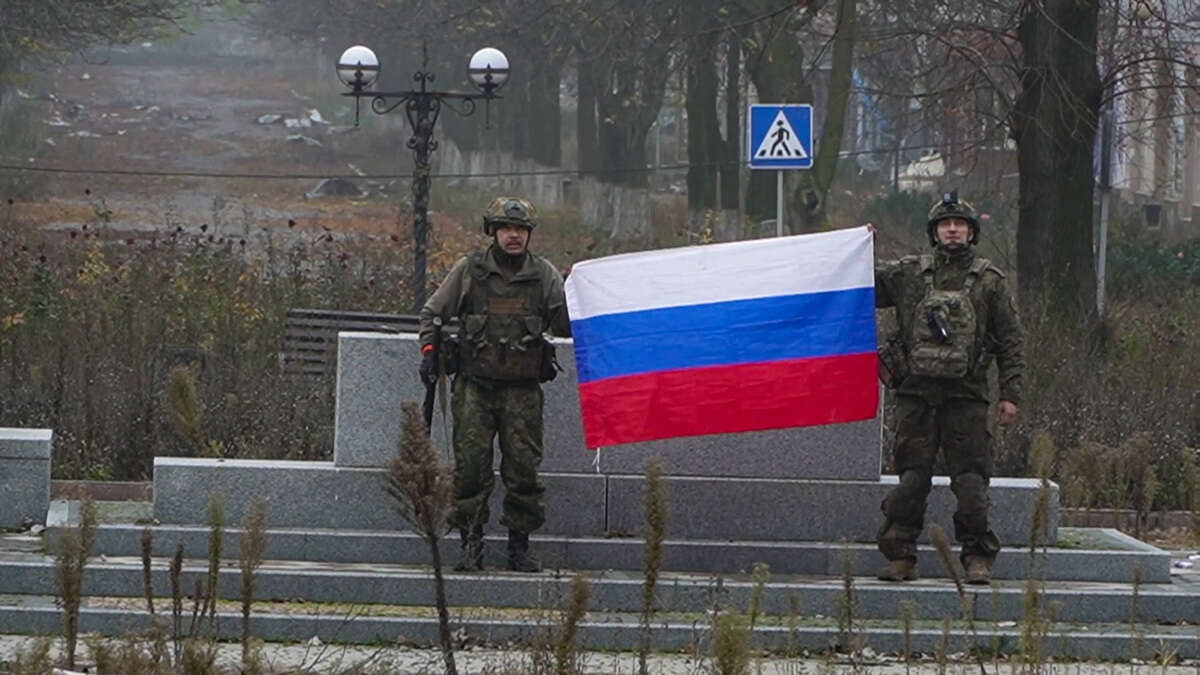
The data reveal a war that has become increasingly deadly with each passing year, even as Moscow has made relatively limited territorial gains.
According to an analysis of the database by The Guardian, nearly 20,000 deaths were recorded during the first year of the invasion, followed by approximately 50,000 in 2023. In 2024, the number more than doubled to over 134,000. It then rose another 52% in 2025, reaching nearly 200,000. That made 2025 the deadliest year of the war, with an average of approximately 548 Russian military deaths per day, compared with roughly 277 per day since the beginning of the invasion.
The peak came in the spring of 2025. During the week beginning May 5, more than 5,000 Russian soldiers were killed, an average of approximately 720 a day and the highest rate recorded during the war. At least a third of those deaths occurred around Pokrovsk, where Moscow had committed tens of thousands of troops to its spring offensive.
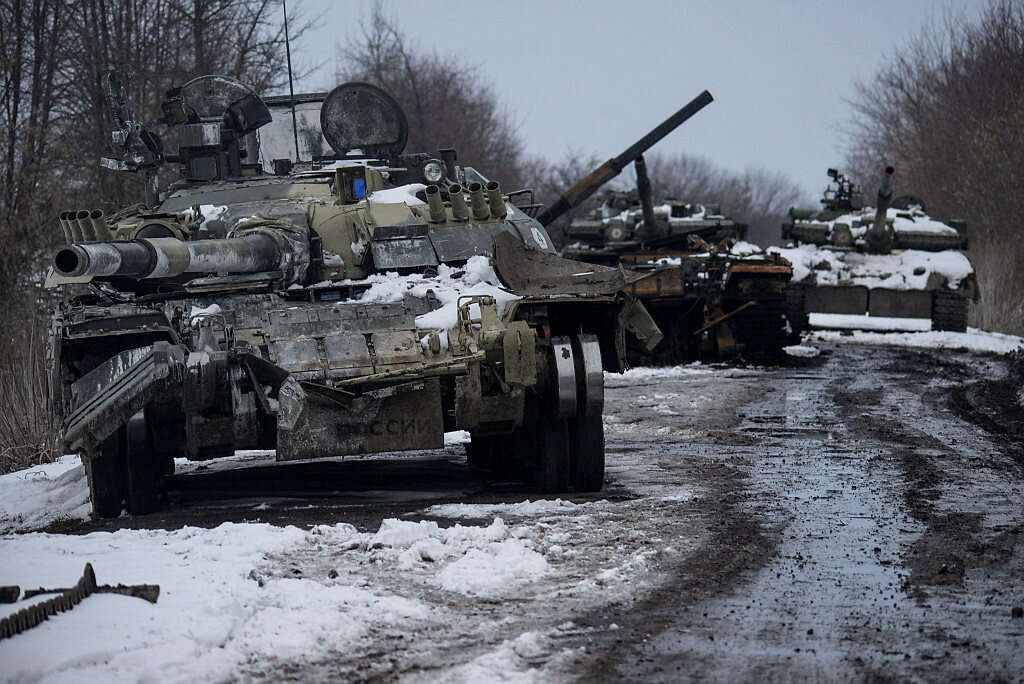
The scale of the losses far exceeds anything Russia or the Soviet Union has suffered since World War II. According to official figures, approximately 15,000 Soviet soldiers were killed during the nine-year war in Afghanistan. In its deadliest year, 1984, around 2,300 Soviet troops lost their lives. In Ukraine in 2025, Russia was losing roughly that many soldiers every four days.
The comparison with recent Western military campaigns is even more striking. In the single week beginning May 5, 2025, Russia lost more soldiers than the United States did during eight years of war in Iraq, where approximately 4,500 American service members were killed. Around 2,400 US military personnel died over two decades of war in Afghanistan.
More than 2,200 deaths for every kilometer gained
Despite the enormous death toll, the front lines have barely shifted. Since the beginning of 2023, Russia has captured approximately 8,000 square kilometers (3,090 square miles), less than 1.5% of Ukraine's territory, according to data from the Ukrainian monitoring group DeepState.
The heaviest losses occurred in the Pokrovsk sector of the Donetsk region. Nearly 116,000 recorded deaths, more than a quarter of those for which the location of death is known, occurred in Pokrovsk district, which includes Avdiivka. Both cities have been the scenes of some of the longest and bloodiest battles of the war.
Pokrovsk itself, a coal-mining city with a prewar population of approximately 60,000, covers less than 30 square kilometers. More Russian soldiers have been killed in the surrounding district than the number of people who lived in the city before the war.
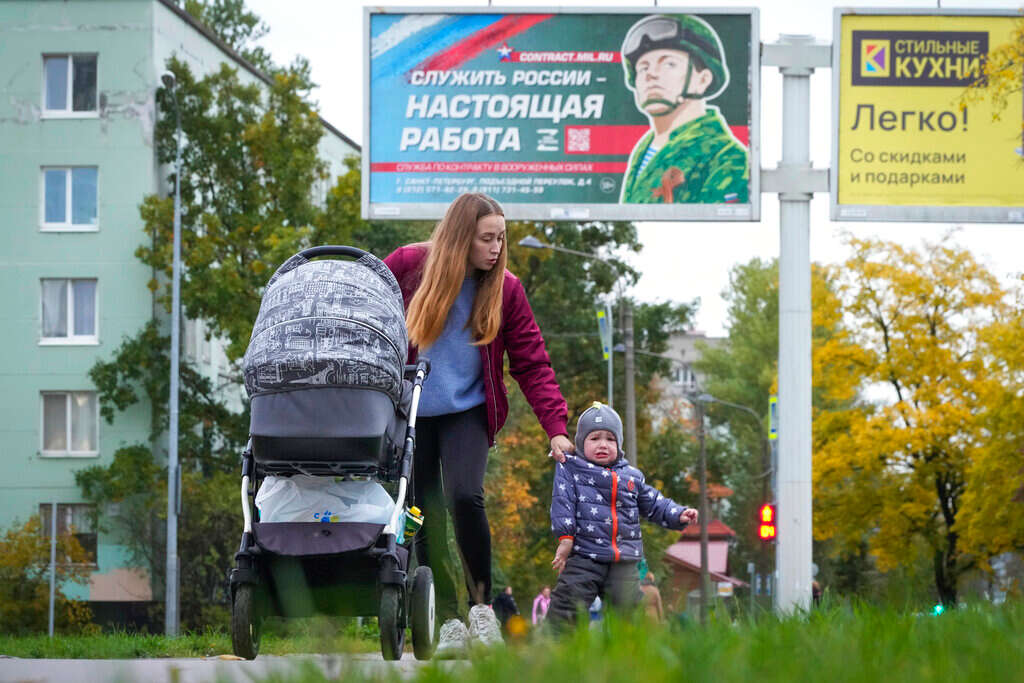
According to the Institute for the Study of War (ISW), after the fall of Avdiivka in February 2024, Russian forces took 21 months to advance 39 kilometers (24 miles) to the outskirts of Pokrovsk. During that period, approximately 88,700 Russian military deaths were recorded in the district, more than 2,200 for every kilometer gained. That exceeds the entire Red Army death toll during the 1945 operation to capture Berlin, in which approximately 80,000 Soviet soldiers were killed.
The records also reveal who is bearing the greatest burden. In 2025, war became the leading cause of death among Russian men under 65. Among death certificates in that age group that listed a cause of death, 29% identified the war, compared with 26% attributed to cardiovascular diseases. The average age of Russian military personnel killed in the conflict has risen from 34 in 2022 to nearly 40 in 2026. Of those killed this year whose ages are known, almost one in five was over 50, compared with just 6% during the first year of the war.
The shift reflects the Kremlin's recruitment strategy. Rather than announce another mobilization, Moscow has relied on financial incentives to attract volunteers, an approach that has proved particularly appealing to older men. The first mobilization, announced in September 2022, prompted widespread opposition.
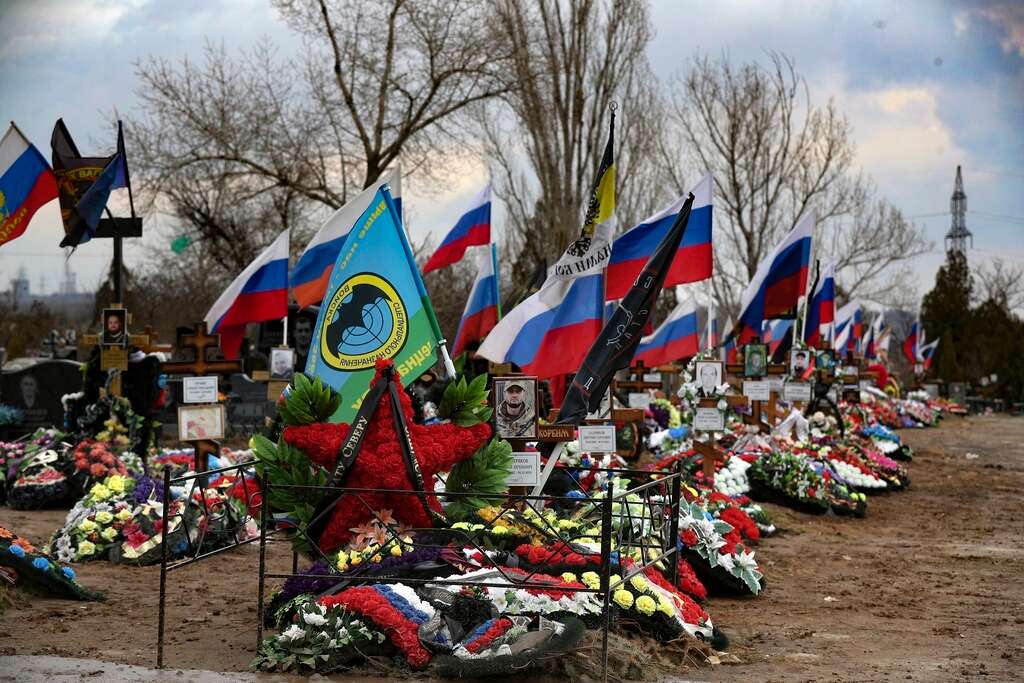
The burden of the war has fallen disproportionately on Russia's poorer and more remote regions, many of which have large ethnic minority populations. In the eight poorest regions, the military death rate was four times higher than in the eight wealthiest. In the Jewish Autonomous Oblast, a region in eastern Russia bordering China where Jews now account for less than 1% of the population despite its name, war was listed as the cause of more than three-quarters of recorded deaths among men under 50 last year.
The highest death rate was recorded in Zabaykalsky Krai, another region bordering China. For every 1,000 residents of the region, 32 men aged 18 to 69 who were born there have been killed in the war, compared with approximately one per 1,000 in Moscow and St. Petersburg.
Foreign mercenaries
As losses have mounted, Moscow has increasingly sought recruits beyond Russia's borders. In addition to migrant workers from Central Asia living in Russia, recruiters operating abroad have enlisted fighters from countries as distant as Nepal, India, Cuba and Kenya. Many were lured by promises of generous salaries, Russian citizenship or civilian employment, only to find themselves on the front lines.
According to The Guardian's analysis, more than 7,300 of those killed were probably foreign fighters, excluding Ukrainians. More than three-quarters came from former Soviet republics, primarily Kazakhstan, Uzbekistan, Tajikistan and Belarus. The database also identifies fatalities from 78 other countries, including approximately 440 people from Africa and 200 from South America, most of the latter from Colombia and Cuba.
Foreign recruits entered the war relatively late. Three-quarters of those whose dates of death are known were killed in 2025 or later. Yet the foreign contingent believed to have suffered the heaviest losses is absent from the database. North Korea sent more than 10,000 soldiers to help Russia drive Ukrainian forces out of the Kursk region in late 2024 and 2025. South Korean intelligence estimates that approximately 2,000 North Korean troops were killed. The true Russian death toll is likely to be higher still.
Deaths of missing soldiers are often registered only months or even years later, when bodies are recovered or courts formally declare the soldiers dead. According to Meduza, the number of deaths registered more than a year late is now 50 times higher than before the war. Records for 2026 are also extremely incomplete, despite continued heavy fighting, and some deaths are never registered at all.
Meduza and Mediazona attempted to estimate the number of soldiers whose deaths have not yet been recorded. To do so, they examined more than 160,000 notices published by relatives searching for missing service members. Cross-referencing these notices with the death registry revealed that nearly all those reported missing were eventually confirmed dead. Using this information, the researchers estimated how many deaths are still likely to be registered.
Their findings suggest that approximately 530,000 Russian soldiers had been killed by the end of 2025, rising to around 720,000, or potentially more, by fall 2026. The researchers emphasized that the estimate for the most recent year is less precise. It also excludes approximately 5,400 foreign fighters.
Wounded soldiers left behind
Military planners generally expect approximately three wounded soldiers for every soldier killed. But according to Janis Kluge, a Russia expert at the German Institute for International and Security Affairs, the data suggest that Russia may have more soldiers killed in action than severely wounded. "This tells you something about this war and the way that it's fought," Kluge told The Guardian.
Military experts say Russia's battlefield tactics have contributed to the high death toll, while serious failures in evacuating wounded soldiers have made the situation worse. According to figures published last year by I Want to Live, a project run by Ukrainian military intelligence, just 1.3 wounded Russian soldiers were reported for every soldier killed.
Kluge also argued that the combination of devastating losses and slower recruitment had probably forced Russia to reduce the pace of its offensives in 2026.
Michael Kofman, a military analyst at the Carnegie Endowment for International Peace, told The New York Times that Russia is losing more soldiers than it is recruiting, although it is still expected to enlist approximately 409,000 troops this year. According to Kofman, that recruitment rate allows Moscow to absorb its losses and continue fighting, but probably not to improve its position on the battlefield. Without a change in how Russia employs its forces, Kofman warned, its military operations will continue to deliver diminishing returns, with little prospect of improvement.