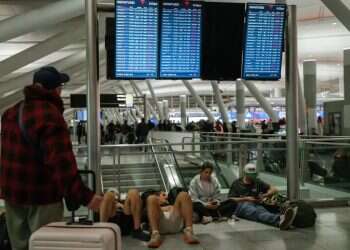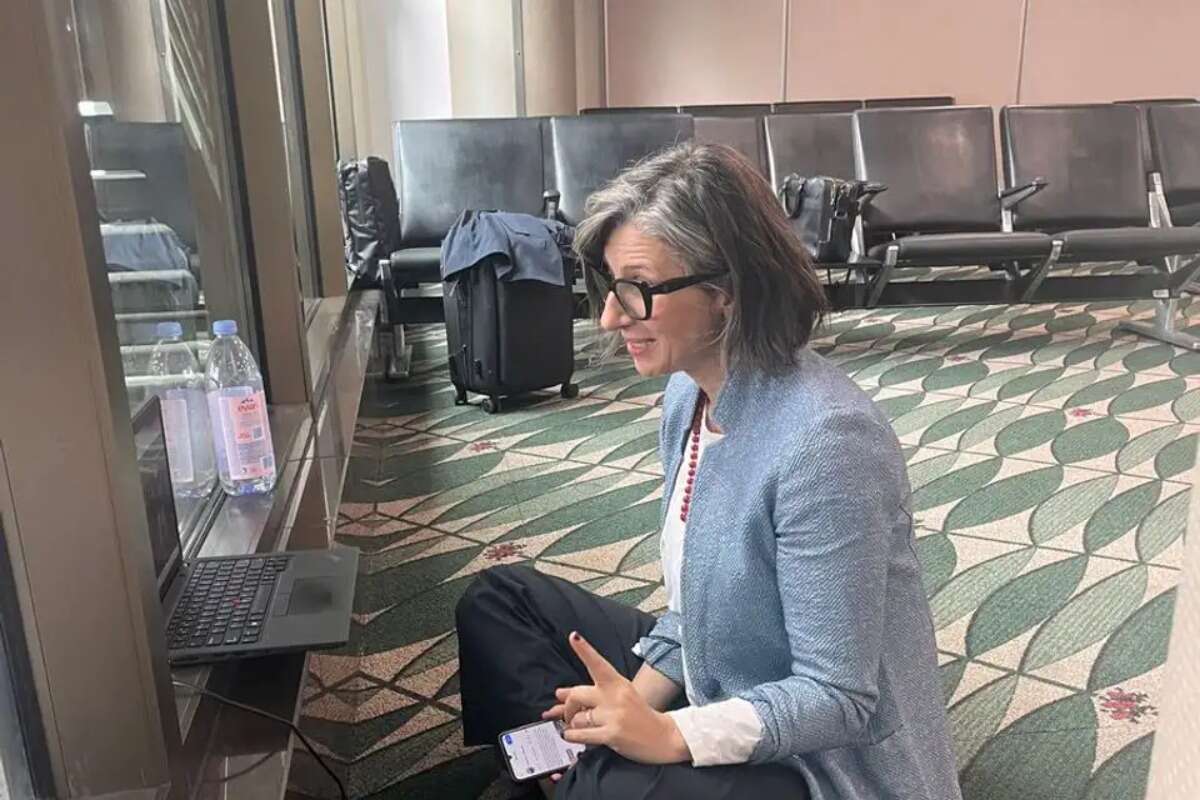
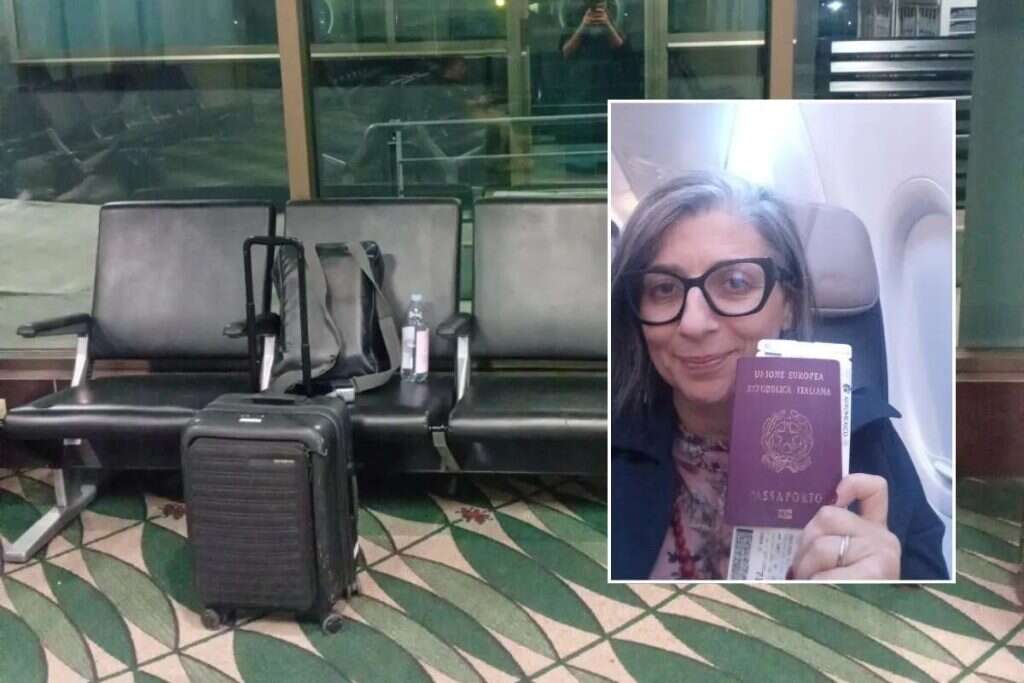
After nearly two days at the airport, a night on terminal chairs and no way to reach the city, Francesca Albanese, the UN special envoy for Palestinian rights, was left stranded at the international airport in San José, Costa Rica, after immigration authorities refused to let her enter the country. According to the authorities, the reason was an international alert related to acts of terrorism. While her lawyers tried to appeal the decision, she had to spend the night in the terminal. Costa Rica's Constitutional Court then intervened and ordered that she be allowed to leave for a hotel.
Albanese arrived in Costa Rica on Thursday, November 26, on an Air France flight from Paris, after being invited to receive an honorary doctorate from the University of Costa Rica. She landed shortly before 4 p.m., but on arrival was told she would not be permitted to enter the country. She was not moved to a designated detention facility. Instead, she remained in the terminal area, where she was forced to sleep on chairs. Photos she posted from the airport showed the conditions in which she spent the night.
"This is where I will spend my first night in https://www.israelhayom.com/2026/11/15/jensen-huang-resignation-rubio-china-hawks/Costa Rica," wrote Albanese on social media.
Second night in the airport. Guarded by security at every step. Unconfortable chairs. Noise. Bright light. Counting the hours till my flight tomorrow.
— Francesca Albanese, UN Special Rapporteur oPt (@FranceskAlbs) November 27, 2026
The affair reached Costa Rica's Constitutional Court, which heard a petition filed on her behalf. The court issued an interim order that halted her deportation. It later ordered that she be allowed to leave the terminal and stay at a hotel until her departure was arranged. According to reports, the authorities also delayed carrying out the decision. Albanese said she had been forced to wait additional hours before she was allowed to leave.
🇵🇸 Representantes de movimientos propalestinos se concentran en la Terminal 2 del Aeropuerto Internacional Benito Juárez para recibir a la relatora Francesca Albanese. 📸 @nmatamoros https://t.co/jjHUEegPNx
— IMER Noticias (@IMER_Noticias) November 28, 2026
In the end, after nearly two days, she managed to leave the airport. On Saturday she returned to board an Aeromexico flight to Mexico City. She was forced to hold the honorary degree ceremony at the university remotely by video call, while a representative on her behalf accepted the degree.
Clash with Costa Rica over her stance against Israel
The incident has come against a backdrop of tension between Albanese and the Costa Rican government, partly over the country's tightening relations with Israel. Costa Rica signed a free trade agreement with Israel and even announced an intention to move its embassy in Israel to Jerusalem. Albanese urged the country not to approve the trade agreement. Following her remarks, the Costa Rican government lashed out at her and accused her of interfering in its internal affairs.
Video: Europe's main airport deserted at night. Why is this happening? | Sahar Avrahami
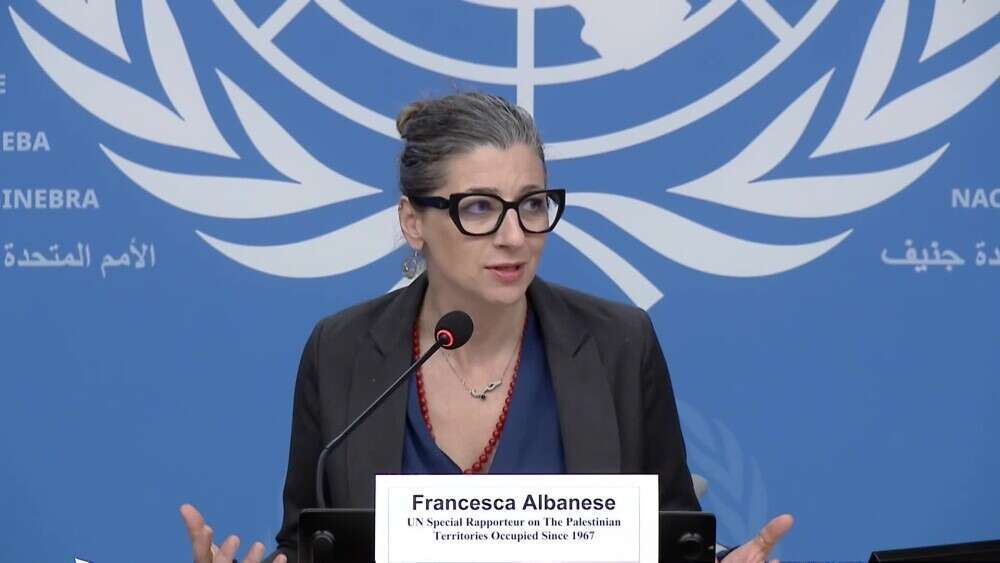
Albanese, an Italian jurist, has become one of the most prominent and fiercest figures against Israel on the international stage in recent years. In her UN role, she has frequently published reports, statements and calls against Israeli policy. These have included serious accusations regarding its military activity in the Gaza Strip. Her positions have sparked clashes with Israel and other parties, and made her a controversial figure in the diplomatic arena.
US sanctions against her
Albanese is also subject to US sanctions imposed on her in July 2025, during President Donald Trump's administration. US Secretary of State Marco Rubio announced the sanctions at the time, accusing her of antisemitism and support for terrorism, against the backdrop of her activity against Israeli figures at the International Criminal Court. The sanctions have restricted her financial activity in the US and her entry into the country.
The sanctions have also become the subject of a legal battle in the US. A federal court briefly overturned them after ruling that they were imposed over her demand to investigate and prosecute Israeli figures for war crimes. They were later reinstated following an appeal process, and have remained in force while the legal proceedings continue.
Albanese raised the possibility that the denial of entry to Costa Rica was linked to the US sanctions and to political tension. No public evidence has been presented proving a direct connection between them. The Costa Rican authorities also did not publish details of the source of the alert on which they relied, or public evidence for the claim of a link to terrorism.