

The Arab Gulf states have no good options
The coronavirus pandemic and its economic fallout may rewrite the security as well as the political and economic map of the Middle East.

The coronavirus pandemic and its economic fallout may rewrite the security as well as the political and economic map of the Middle East.

Jordan’s King Abdullah has warned of a “massive conflict,” alluding to chaos and extremism in the region, though he stopped short of saying he would cancel its peace treaty with the Jewish state.

It used to be the traditional, conservative Right that favored globalism, while the Left espoused democratic nationalism. Now the poles are reversed, but the Left is paying the price for going too far toward anti-nationalism.
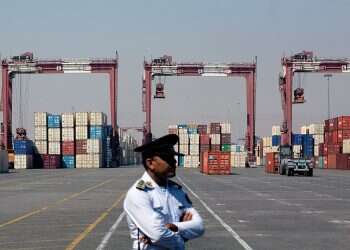
Israel's cyberattack against Iranian infrastructure went a long way with respect to psychological warfare thanks to the extensive coverage it received in the foreign media. Such publicity for a move that otherwise would have remained a closely-guarded secret has only one goal – generating deterrence.

New ministers Gabi Ashkenazi and Rafi Peretz should make the battle against Palestinian attempts to erase Jewish ties to Jerusalem a top priority, and use the many historical sources at their disposal to do so.

Tuesday's Washington Post report could signal that the world's first cyber war has officially begun.

Notwithstanding the COVID-19 crisis and a deteriorating economy, Iran is pushing ahead with its uranium enrichment and missile and space programs, as well as its activities in Syria.

Each side in such a conflict has an interest in understanding its adversary’s society – its aspirations, needs and internal composition. The enemy’s “home front” can be the war’s most important theater.
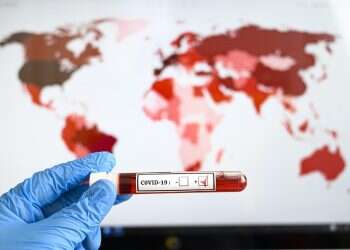
Conflicts persist, and the revisionist powers continue their disruptive behavior. This includes Iranian subversion and acceleration of its nuclear project, as well as Turkey’s expansionism in Syria.

As Israel prepares to mark the 20th anniversary of its withdrawal from the security zone in South Lebanon, questions remain about what prevented the IDF from "winning" its guerrilla war against Hezbollah.