

They went to vote, not to decide
Trump improved his position in several demographics, but these victories couldn't help him in his primary goal: to prevent the Democrats rebuilding their "blue wall" in the Midwest.

Trump improved his position in several demographics, but these victories couldn't help him in his primary goal: to prevent the Democrats rebuilding their "blue wall" in the Midwest.

The urge Trump voters feel to protest the vote count is easy to understand. The widespread fear that the Democrats are working to falsify the US presidential election results grows with each news update.
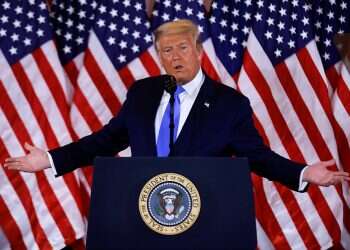
Although Joe Biden's chances of winning the election are better than those of the man now sitting in the Oval Office, we must not be blinded by general voter turnout. What matters most, and will only be made clear once voting comes to an end, is voter segmentation.
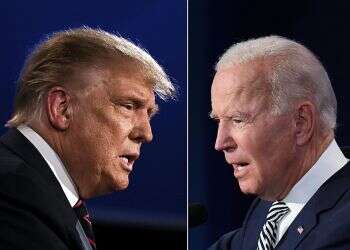
It's a mistake to believe that the current political culture, rife with social, ideological and political tensions and divisions, is unique to the Trump era.

The American-Jewish community has illustrated that when there is a discernible divide between the candidates concerning the issue of Israel, at least 10 percent swing to the candidate considered more favorable to it.

In hindsight, the fall of the "blue wall" in 2016 and Trump's victory, could have been predicted by a quick visit to a diner in Philadelphia. This time, however, the coronavirus crisis could yield unexpected results.

With already unprecedented turnout in early voting, a pandemic that is still raging, and the X factor of the "quiet voters," we should wait for the polls to close rather than trying to make predictions based on statistics.
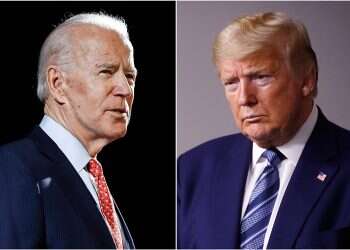
The Democrats accuse US President Donald Trump and his supporters of fostering social division and fragmentation when, in fact, they are the ones using these tactics.

Next week, American voters will have to decide whether or not to stick with their decision from 2016, which mostly benefited them, or will punish the president for a one-in-a-century pandemic that turned the entire world upside-down.
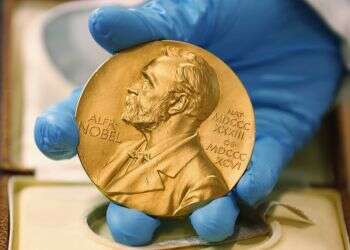
The Nobel Committee’s decision to give the peace prize to the World Health Organization rather than to the leaders of Israel, the US, UAE and Bahrain is a play for time. What is it about the Abraham Accords that makes the foreign policy “experts” so upset?