Israel Hayom is a media organization founded on the belief that the Israeli public deserves better journalism—more balanced, more accurate, and more reliable. Journalism that speaks rather than shouts. Journalism that is trustworthy, objective, and matter-of-fact. A different kind of journalism, offered free of charge.
The first print edition was published on July 30, 2007, and in 2010 Israel Hayom became the Israeli newspaper with the highest weekday readership. The newspaper’s publisher is Dr. Miriam Adelson. Its Editor-in-Chief is Omar Lachmanovitch, and its founding editor is Amos Regev.
Israel Hayom’s Hebrew and English websites, as well as its Android and iOS applications, provide around-the-clock news coverage, exclusive content, breaking news and updates, analysis and commentary, video, podcasts, and live broadcasts.
The digital platforms of Israel Hayom include news and opinion channels covering culture and entertainment, lifestyle, technology, sports, business and consumer affairs, health, military affairs, food, Judaism, tourism, and automobiles.
In 2021, a new Hebrew-language website and mobile application were launched to provide users with a fast, up-to-date, secure, and convenient experience.
The content of the newspaper’s print edition is also available online through a daily digital edition and can be received via newsletter.
“The Israel Hayom Clique,” the publication’s exclusive benefits club, offers website users discounts and special promotions on products and services.
Israel Hayom welcomes feedback, criticism, and suggestions for improvement from its readers. You can contact the organization by email at hayom@israelhayom.co.il
Learning from past negotiations with Hamas and after publicly admitting "Hamas deceived us," the PM is now withholding information about developments behind the scenes, keeping everyone guessing.
Wise people surrendered to emotional discourse about the hostages, as if the protest would advance their return. Hamas observes the pressure directed only toward Israel's government and calculates: Why compromise?
The proposed framework will initiate the transfer of Gaza control from Hamas, with Emirati and Saudi support for a US proposal to deploy an international or Arab force, alongside the issue of Red Cross visits to hostages.
Diaspora Jews absolutely have the right to care about what is happening in Israel. But they should not misrepresent events, nor claim to know what is best for Israelis better than the people who actually live here.
Israeli policymakers are now facing a cruel dilemma: either launch a full military conquest of the remaining quarter of the Gaza Strip and eliminate Hamas, risking the lives of the hostages; or capitulate to Hamas' demands, secure the return of some of the hostages, and allow it to remain in power. The time has come to finish the job.
Amid ceasefire negotiations, IDF to present military plan to defense minister. Army prepares to rely mainly on constripted forces, with reserve mobilization replacing redeployed troops. Meanwhile, IDF intensifies operations on Gaza city outskirts and in Zeitoun.
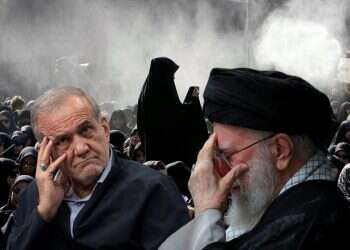
The regime is terrified. It fears that if President Masoud Pezeshkian continues to expose its weaknesses, he could embolden the public, leading to unrest that, if it escalates, could threaten the regime's very existence.
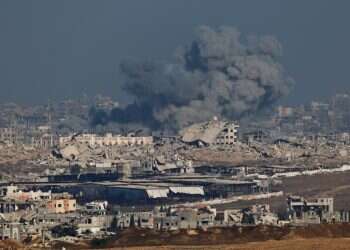
Air strikes can crush Hamas’ symbolic and operational stronghold in Gaza City, but civilians must be evacuated first, followed by relentless bombardment.
The military operation designed to defeat Hamas has fallen short of achieving either of its stated objectives. Discussions regarding new formulas presented to Hamas require Israeli deadlines, otherwise Hamas time-extension objectives succeed again. Proposals need enforceability, with refusal costs measured through time and accumulating expenses.