Israel Hayom is a media organization founded on the belief that the Israeli public deserves better journalism—more balanced, more accurate, and more reliable. Journalism that speaks rather than shouts. Journalism that is trustworthy, objective, and matter-of-fact. A different kind of journalism, offered free of charge.
The first print edition was published on July 30, 2007, and in 2010 Israel Hayom became the Israeli newspaper with the highest weekday readership. The newspaper’s publisher is Dr. Miriam Adelson. Its Editor-in-Chief is Omar Lachmanovitch, and its founding editor is Amos Regev.
Israel Hayom’s Hebrew and English websites, as well as its Android and iOS applications, provide around-the-clock news coverage, exclusive content, breaking news and updates, analysis and commentary, video, podcasts, and live broadcasts.
The digital platforms of Israel Hayom include news and opinion channels covering culture and entertainment, lifestyle, technology, sports, business and consumer affairs, health, military affairs, food, Judaism, tourism, and automobiles.
In 2021, a new Hebrew-language website and mobile application were launched to provide users with a fast, up-to-date, secure, and convenient experience.
The content of the newspaper’s print edition is also available online through a daily digital edition and can be received via newsletter.
“The Israel Hayom Clique,” the publication’s exclusive benefits club, offers website users discounts and special promotions on products and services.
Israel Hayom welcomes feedback, criticism, and suggestions for improvement from its readers. You can contact the organization by email at hayom@israelhayom.co.il
In ancient times, Jews outside the Land of Israel didn't know for certain when the court had established Rosh Chodesh Tishrei, creating doubt about when exactly Yom Kippur fell. The issue came up again during World War II.
"Internal division in the community" ranked first – almost twice as much as any other reason. Following it were ranked "leadership failures," "external hostility and antisemitism," and "difficulty conducting discussion about Israel."
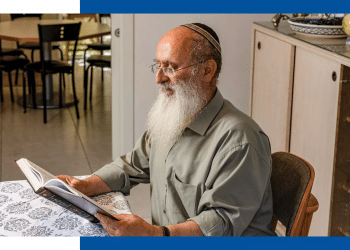
Rabbi Oury Cherki maintains confidence that world will seek Jewish wisdom on existential questions after the current crisis passes, despite ongoing criticism of Israel.
A shop owner in Flensburg in northern Germany put up a sign reading “Jews are forbidden entry here,” claiming it was, in his words, “hypocrisy” in response to Israel’s actions in the Gaza Strip.
Moldova's history of antisemitism is long and painful: from the Kishinev pogrom in 1903, through the murder of tens of thousands of Jews during the Holocaust, to recent cases of tombstone vandalism.
A brother and sister from Petah Tikva have sued Osher Ad for 75,000 shekels for selling a non-kosher-for-Passover item during holiday, alleging consumer deception and a violation of the Chametz Law.
"For the Scottish Government to endorse this modern-day blood libel will not save a single innocent life in Gaza, but it will embolden those who now use the language of genocide to justify the harassment and intimidation of Jews here in Scotland," a letter sent by the organization "Scotland Against Antisemitism" read.
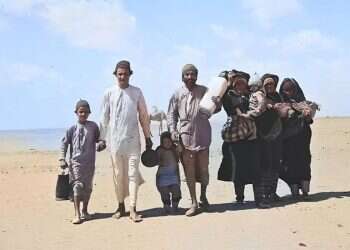
A new comprehensive study set to be presented at the UN reveals the immense scope of losses endured by Jewish communities in Arab countries. The Jewish population in those nations plummeted from one million to just 12,000.