Israel Hayom is a media organization founded on the belief that the Israeli public deserves better journalism—more balanced, more accurate, and more reliable. Journalism that speaks rather than shouts. Journalism that is trustworthy, objective, and matter-of-fact. A different kind of journalism, offered free of charge.
The first print edition was published on July 30, 2007, and in 2010 Israel Hayom became the Israeli newspaper with the highest weekday readership. The newspaper’s publisher is Dr. Miriam Adelson. Its Editor-in-Chief is Omar Lachmanovitch, and its founding editor is Amos Regev.
Israel Hayom’s Hebrew and English websites, as well as its Android and iOS applications, provide around-the-clock news coverage, exclusive content, breaking news and updates, analysis and commentary, video, podcasts, and live broadcasts.
The digital platforms of Israel Hayom include news and opinion channels covering culture and entertainment, lifestyle, technology, sports, business and consumer affairs, health, military affairs, food, Judaism, tourism, and automobiles.
In 2021, a new Hebrew-language website and mobile application were launched to provide users with a fast, up-to-date, secure, and convenient experience.
The content of the newspaper’s print edition is also available online through a daily digital edition and can be received via newsletter.
“The Israel Hayom Clique,” the publication’s exclusive benefits club, offers website users discounts and special promotions on products and services.
Israel Hayom welcomes feedback, criticism, and suggestions for improvement from its readers. You can contact the organization by email at hayom@israelhayom.co.il
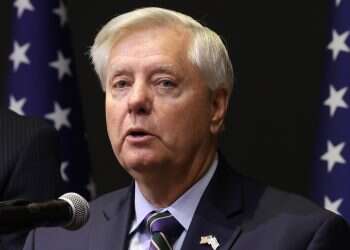
In a phone interview with Israel Hayom Graham slammed the Democratic president for trying to micromanage the war by placing conditions on weapon shipments. "It rewards the terrorist and it punishes the victim of terrorism, Israel. Hamas leader Yahya Sinwar is probably pretty happy right now ... It will make it harder to get the hostages back."
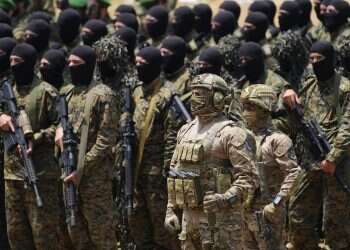
According to Tal Beeri, Hezbollah has increased its stockpile of precise munitions from hundreds to thousands of projectiles and in an extreme scenario could even use chemical weapons.
Israel’s top military spokesman, Rear Adm. Daniel Hagari, also appeared to downplay the practical impact of any arms holdup. “The army has munitions for the missions it plans, and for the missions in Rafah, too -- we have what we need,” he said in response to a question at a news conference.
Senior official tells Israel Hayom that the IDF should press ahead with the Rafah operation, which would demonstrate Israel can manage militarily without US assistance if needed.
“I made it clear that if they go into Rafah ..., I’m not supplying the weapons," Biden, whose administration has repeatedly asked Israel for its plan to protect civilians in Rafah, said on Wednesday in an interview with CNN.
A committee examining the hostages’ conditions received a new video over the past weekend confirming Rudaeff's death. "We are constantly receiving new materials," says a member of the committee.
"This decision is based on recent intelligence that suggests hosting a public ceremony poses a substantial risk to public safety," the press release said.
The shipment was supposed to consist of 1,800 2,000-pound (900-kilogram) bombs and 1,700 500-pound (225-kilogram) bombs, according to the official, who spoke on the condition of anonymity to discuss the sensitive matter, with the focus of US concern being the larger explosives and how they could be used in a dense urban setting.