Israel Hayom is a media organization founded on the belief that the Israeli public deserves better journalism—more balanced, more accurate, and more reliable. Journalism that speaks rather than shouts. Journalism that is trustworthy, objective, and matter-of-fact. A different kind of journalism, offered free of charge.
The first print edition was published on July 30, 2007, and in 2010 Israel Hayom became the Israeli newspaper with the highest weekday readership. The newspaper’s publisher is Dr. Miriam Adelson. Its Editor-in-Chief is Omar Lachmanovitch, and its founding editor is Amos Regev.
Israel Hayom’s Hebrew and English websites, as well as its Android and iOS applications, provide around-the-clock news coverage, exclusive content, breaking news and updates, analysis and commentary, video, podcasts, and live broadcasts.
The digital platforms of Israel Hayom include news and opinion channels covering culture and entertainment, lifestyle, technology, sports, business and consumer affairs, health, military affairs, food, Judaism, tourism, and automobiles.
In 2021, a new Hebrew-language website and mobile application were launched to provide users with a fast, up-to-date, secure, and convenient experience.
The content of the newspaper’s print edition is also available online through a daily digital edition and can be received via newsletter.
“The Israel Hayom Clique,” the publication’s exclusive benefits club, offers website users discounts and special promotions on products and services.
Israel Hayom welcomes feedback, criticism, and suggestions for improvement from its readers. You can contact the organization by email at hayom@israelhayom.co.il
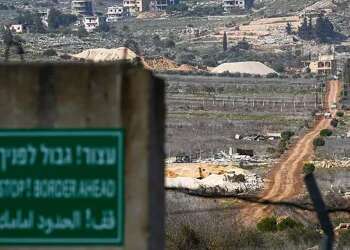
Security forces were called to the Israel-Lebanon border following the infiltration of Israeli civilians into Lebanon proper. The group threw stones at IDF soldiers who attempted to return them to Israel. Four suspects were arrested.
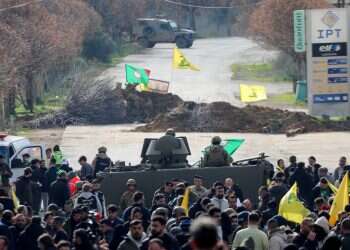
The IDF is expected to remain, with US approval, at five strategic positions along the Israel-Lebanon border until it is confirmed that Hezbollah will not return south of the Litani River. The IDF is preparing to reinforce its presence in the border area and anticipates protests from local residents.
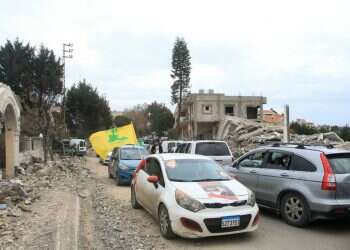
The northern ceasefire, which commenced on November 27 and extended for 60 days until Saturday, included Hezbollah's commitment to withdraw north of the Litani River. In exchange, Israel was expected to complete its withdrawal beyond the Blue Line – the internationally recognized border.
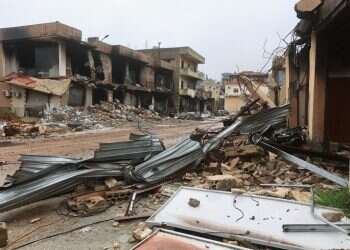
"A defeated Hezbollah is exploiting its media platforms to challenge Lebanese interests and deflect attention from its leadership's transgressions that have brought southern Lebanon to this situation," IDF says.
Less than 20 days before the current ceasefire in Lebanon is set to expire, the United States is working to ease tensions ahead of President-elect Donald Trump's inauguration. A Hezbollah-affiliated newspaper reported on a 15-day plan proposed by the US to facilitate an agreement in the region.
"They'll have to keep on trying to guess what the next thing is," an agent told the CBS flagship program "60 Minutes." According to the former agents, Hezbollah acquired more than 16,000 of the weaponized walkie-talkies through an elaborate network of shell companies established by Mossad.
Following a thorough sweep by the IDF's elite Yahalom combat engineering unit, forces destroyed the command center and its underground access tunnel, while confiscating the entire weapons arsenal.